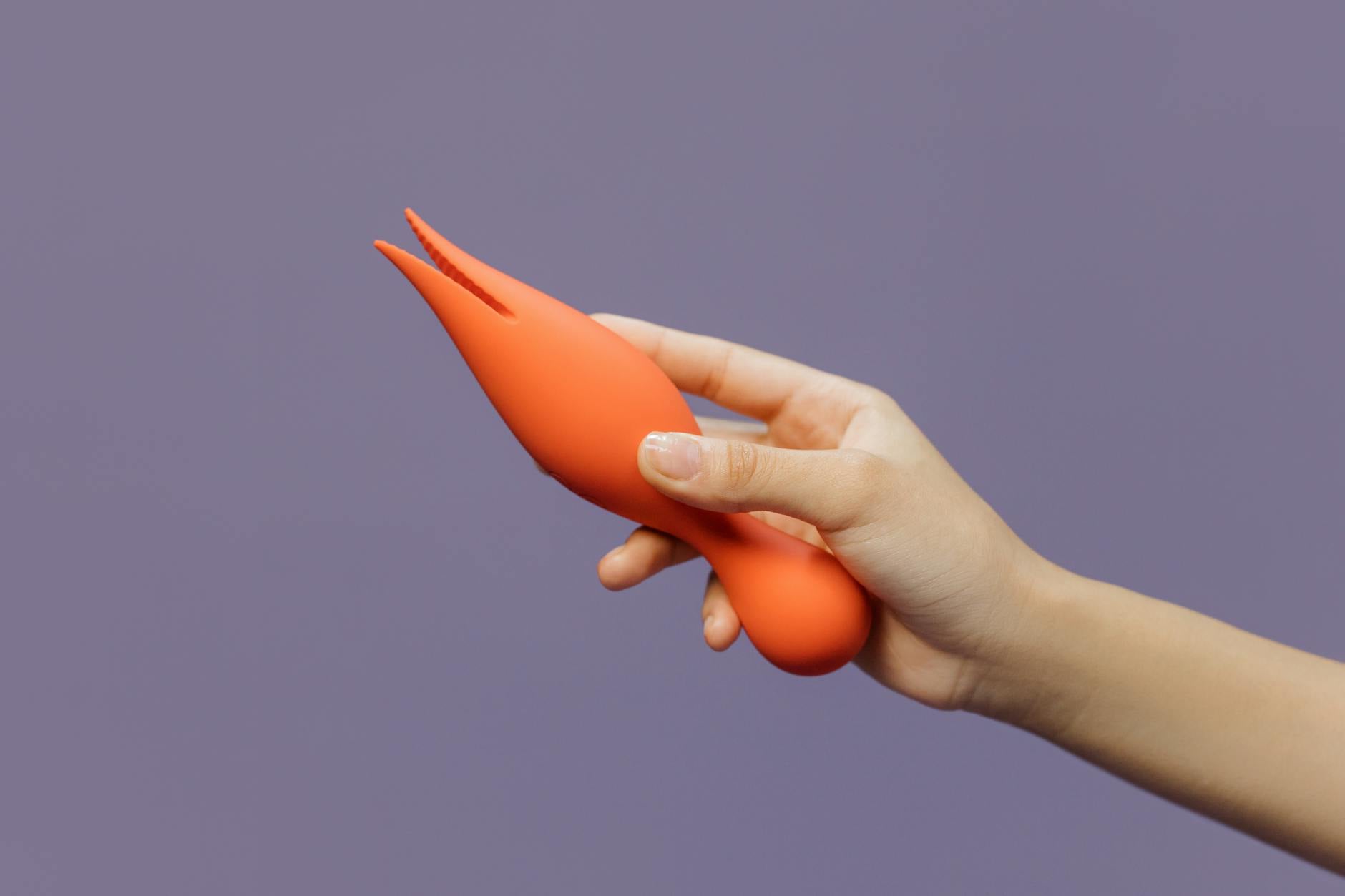
How to Control Lemon Vibrator Intensity When Orgasms Feel Too Strong
Let's be real. You bought a lemon clitoral vibrator because you heard it delivers faster, more intense sensation than traditional vibrators. And then the first time you used it, you got exactly what was promised—maybe a little more than you bargained for. The suction, the pulsing pattern, the way your body responded. It felt powerful. Maybe too powerful.
Here's what I want you to know: that intensity isn't a flaw. It's actually the design working as intended. But "working as intended" and "working for your body right now" are two different things. If orgasms are feeling overwhelming, if you're bracing against the sensation instead of sinking into it, or if the intensity is making it hard to relax and enjoy the experience, there are concrete steps to recalibrate.
This post is about taking control back. Not by forcing your body to handle more, but by understanding how a lemon vibrator works and adjusting the experience to match where you actually are.
Why lemon vibrators feel more intense than other toys
A lemon sucker vibrator works through air-pulse technology. Instead of traditional vibration that moves side-to-side, suction creates a rhythmic pressure change around the clitoris. This stimulates the entire clitoral structure—not just the external tip—which activates more nerve endings at once.
That's why orgasms often arrive faster with a lemon vibrator than with a standard clitoral vibrator. You're not just stimulating the surface. You're engaging deeper tissue and nerve clusters in ways that feel more enveloping, more complete.
But "more sensation" means "more intensity." If your body, your nervous system, or your pelvic floor isn't expecting that level of stimulation, the experience can shift from pleasurable to jarring. Especially if you're used to lower-intensity toys, or if your clitoris is naturally sensitive, or if you're tense going in.
Pattern and intensity: they're not the same thing
Most lemon vibrators, including Hello Nancy's clitoral vibrator models, have multiple settings. People often assume that changing the pattern (the rhythm) is the same as changing intensity. It's not.
Pattern affects how the sensation unfolds—is it a steady pulse, a wave, a stutter? Intensity affects how much pressure you're receiving in each pulse. You can have a gentle intensity with a complex pattern, or a strong intensity with a simple pattern.
If your orgasms are feeling too intense, don't just switch patterns. Drop the intensity level first. Stay on pattern 1 or 2 (the gentlest settings) for at least three sessions before you explore other patterns. Let your body acclimate to the way a lemon vibrator feels at lower power.
Three ways to dial back intensity immediately
Move the toy slightly away. You don't have to maintain direct seal contact. If you're positioned so there's a tiny gap—less than a millimeter—between the vibrator's cup and your clitoris, the suction pressure drops noticeably. You still get the sensation. It just feels less all-consuming. Once you're comfortable, gradually inch it closer.
Use the lowest setting and commit to it. Most people try level 1, feel like it's not "enough," and jump to level 3. Then they're shocked by how fast they're heading toward orgasm. Stay on level 1 for a full session. Your body will adjust. What feels tentative now will feel satisfying once you stop hunting for more.
Reduce warm-up time. This sounds counterintuitive, but here's why it works. The longer you're aroused before introducing the lemon vibrator, the more swollen your clitoris becomes, the more sensitive it is. If you're already at high arousal when you turn it on, even level 1 feels intense. Try using the vibrator earlier in your self-pleasure session, before you've built significant arousal. You'll control the intensity curve better.
Managing the pelvic floor tension that amplifies sensation
Here's something most people don't realize: a tight pelvic floor makes sensation feel more intense, not less. When your pelvic floor muscles are clenched, pressure can't distribute evenly. It concentrates. It becomes sharper. It can push you toward orgasm faster, which then feels harder to control.
Before you even turn on a lemon clitoral vibrator, spend two minutes relaxing your pelvic floor. Breathe deeply. Imagine the muscles between your sitting bones (the bottom of your pelvis) releasing. You should feel a slight heaviness or relaxation in that zone.
During use, keep checking in with that pelvic floor. If you notice tension building, pause the vibrator for 10 seconds, breathe, let the muscles release, then resume. This single practice—pelvic floor awareness—transforms how intense sensation feels. It's not about endurance. It's about distribution.
Building tolerance vs. pushing through discomfort
There's an important distinction here. Tolerance is about gradually expanding what your body enjoys. Discomfort is about pain or overwhelming sensation that your nervous system is signaling as "too much."
Building tolerance looks like: "Okay, level 1 felt manageable last week. Today I'm ready to try level 2 for 30 seconds, then drop back to level 1." It's incremental. It respects your baseline.
Pushing through discomfort looks like: "My body is telling me this is too much, but I'm going to go anyway." That's not expansion. That's overriding your body's feedback. And it usually backfires. You end up tense, guarded, less able to enjoy sensation next time.
If intensity is triggering anxiety, pain, or a feeling of being trapped, that's your signal to slow down. How to Use a Lemon Vibrator When Masturbation Causes Anxiety walks through managing the mental side of overwhelming sensation.
When arousal level matters more than the toy
One thing I notice with couples and individuals using lemon vibrators: the intensity experience shifts dramatically depending on your arousal level when you start.
If you're using it to build arousal from a baseline of "not very turned on," a low setting feels perfect. The sensation is novel, focused, builds gradually.
If you're already at high arousal—you've been thinking about something hot, you've been touching yourself, your clitoris is already swollen and responsive—that same low setting can feel jarring. Your body is ready for more. The mismatch between your internal readiness and external intensity feels weird.
My suggestion: pay attention to where you are arousal-wise when you reach for your lemon vibrator. If you're at a 3 or 4 on the arousal scale (out of 10), use level 1. If you're at a 6 or 7, level 2 is probably right. If you're at an 8 and climbing, you might handle level 3. This isn't rigid. It's just a framework for matching external stimulation to internal state.
The role of lubrication in sensation intensity
A dry clitoris creates friction. Friction intensifies sensation. Add water-based lubricant around the area where the vibrator sits, even though the toy itself doesn't penetrate. The lube reduces friction, which paradoxically makes the sensation feel smoother and less sharp, even if the intensity level stays the same.
Water-based lube also allows the cup to move slightly as you shift, which breaks up that constant pressure seal. You get sensation without the feeling of being locked in place.
If orgasms are coming too fast or feeling too intense, try adding a small amount of lube first. Sometimes that single change is enough to make the experience feel more comfortable and controllable.
Spacing out sessions: rest matters
If you're using a lemon vibrator daily, your clitoris becomes more and more sensitive. Not in a good way. In a "this toy now feels like it's set to 11" way.
Your tissue adapts, but adaptation isn't the same as building sustainable pleasure. It's more like your threshold is shrinking. Each session feels more intense than the last, even though nothing changed.
Take 2-3 days between sessions. This gives your clitoris time to return to baseline sensitivity. When you come back to the vibrator, you'll actually be able to control the experience again instead of fighting intensity that's accumulated.
It's not about deprivation. It's about allowing your body to reset so pleasure stays enjoyable rather than becoming overwhelming.
FAQ: Control and intensity
Q: Is it normal for a lemon vibrator to make me orgasm in under a minute?
Completely normal. Suction technology is efficient. Lemon clitoral vibrators activate more nerve endings faster than traditional vibrators. If you've never experienced that before, it can feel shocking. But it's the toy working, not something wrong with you. If you want to extend the experience, use the intensity-reduction strategies above, focus on lower arousal buildup, and practice pelvic floor relaxation.
Q: Will my body get used to the intensity and stop responding?
Not if you're taking breaks between sessions. With regular rest days (2-3 days apart), your sensitivity resets. With daily use, yes, you can develop a tolerance curve where the toy feels less effective. But that's fixable by spacing sessions out.
Q: Can I damage my clitoris by using a lemon sucker too intensely?
Your clitoris is tougher than you think. But very high-intensity suction, used daily, can cause temporary swelling or irritation. If you notice soreness, redness, or discomfort that lingers, take a break for 3-5 days. How to Use a Lemon Vibrator Safely With a Sensitive Clitoris has more detail on recognizing and preventing this.
Q: Should I use a partner's feedback about intensity?
Your sensation, your rules. If your partner thinks you "should" handle more intensity, that's about them, not about what's actually comfortable for you. How to Talk to Your Partner About Using a Lemon Vibrator Together covers navigating that dynamic.
Q: Does intensity change at different points in my cycle?
Yes. During ovulation, higher estrogen means more blood flow to your clitoris, which means more sensitivity. Before your period, progesterone can make tissue feel less responsive. Why Lemon Vibrator Sensitivity Increases During Your Arousal Cycle breaks down the full picture.
Q: Can I use a lemon vibrator after pelvic floor therapy if intensity feels overwhelming?
Yes, with care. Pelvic floor PT actually helps you control tension better, which makes intensity more manageable. Start at the lowest setting, focus on keeping your pelvic floor relaxed (which is the whole point of PT), and go slow. Lemon Vibrator After Pelvic Floor Physical Therapy covers the specifics.
The real issue: control is pleasure
Here's what I've learned working with people navigating pleasure: intensity that you can't control feels threatening. Intensity that you can control, that you're choosing second by second, feels powerful. The difference between those two experiences comes down to the strategies in this post.
You don't have to choose between intense sensation and feeling in control. You can have both. It just takes understanding how your lemon vibrator actually works, respecting your baseline sensitivity, and giving your body permission to expand at its own pace.
Start low. Stay there for a few sessions. Notice what changes. Then decide whether you want to explore more intensity, or whether you've found your sweet spot. Both are correct answers. The wrong answer is pushing past where you actually want to go.
Your pleasure is the point. Not the intensity. Not the speed. Not anyone else's expectations. Just you, your body, and the sensation you're actually enjoying in the moment.