
Let's name the thing that's happening
Foreplay has become a checkbox. Thirty seconds of touching, two minutes of kissing, then straight to the main event. You're not alone in noticing this. In my practice, I hear it constantly: "Sex feels like he's just trying to get me ready so he can get off." Or from the other side: "I don't know how to slow down without making it weird." Both versions of the same problem. The anticipation, the buildup, the feeling that this matters—that's gone.
Here's what a lemon vibrator changes about that dynamic: it forces slowness. Not as a punishment, but as a design feature. A clitoral vibrator like the Lem doesn't rush. It rewards attention to detail, patience, and presence. When you use one intentionally during foreplay, you're not skipping steps. You're amplifying them.
Why foreplay got so fast in the first place
Three reasons, mostly:
Efficiency bias. We treat sex like we treat everything else: task completion. Get aroused, get to penetration, finish. The cultural message is that foreplay is runway. Necessary but not the point.
Anxiety about taking too long. People with vulvas worry about "holding up the process." People with penises worry about not being good enough at this part. So everyone rushes through it to get to the part they think they should be doing.
Mismatch in what arouses different bodies. Penetration alone doesn't orgasm most people with vulvas. But instead of slowing down and building arousal separately, we skip it. A lemon clitoral vibrator solves this by making external stimulation the main event, not the warmup.
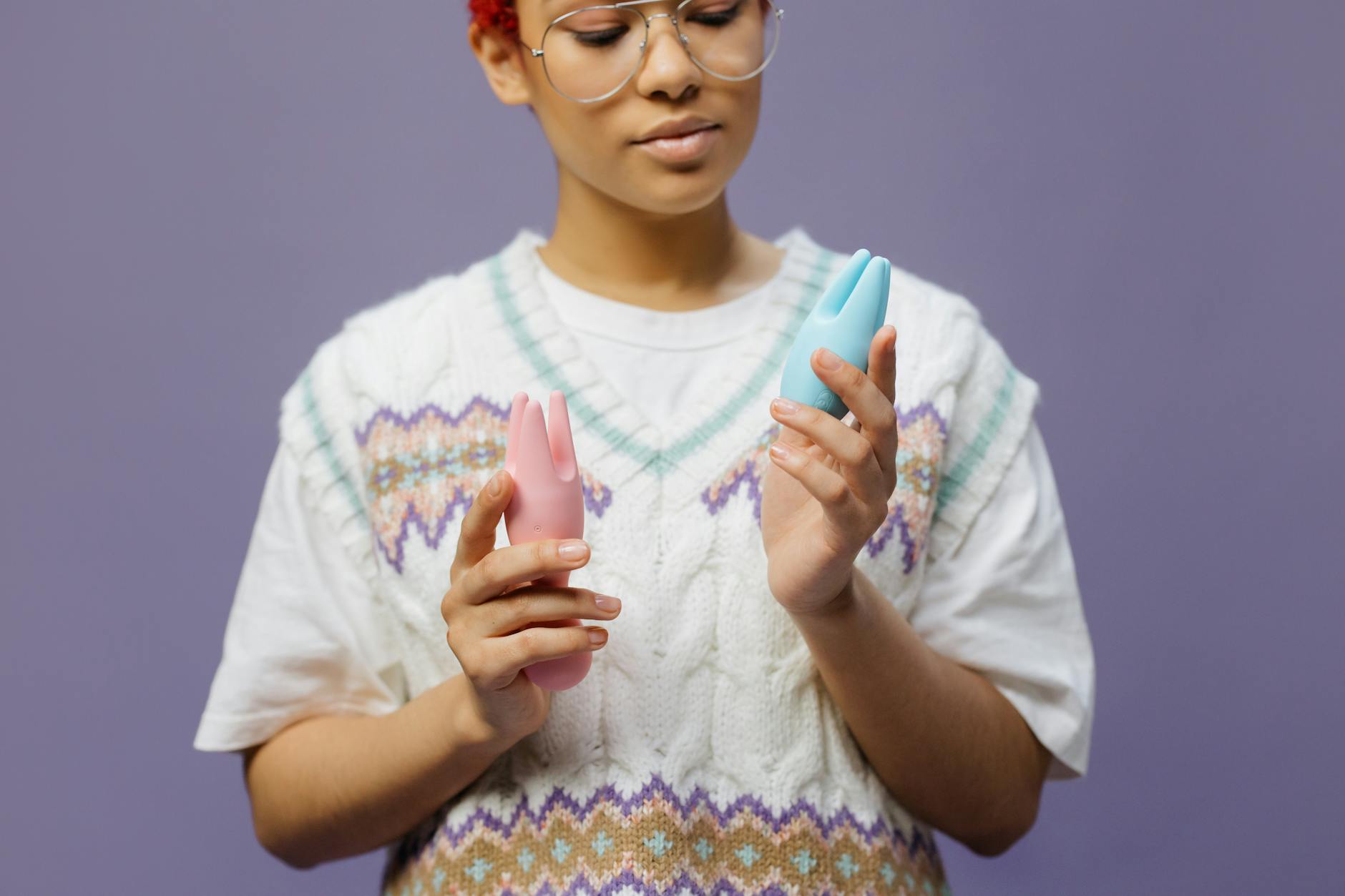
Photo by cottonbro studio on Pexels
How the Lem changes the foreplay timeline
A suction-based lemon sexual toy works differently than a traditional vibrator. Instead of direct friction, it creates gentle compression and release around the clitoris. This changes everything about timing:
It requires presence. You can't zone out and let a lemon sucker do all the work. You have to pay attention to your body's response, adjust the intensity, move slightly. Presence is intimacy's actual foundation.
It extends the buildup phase. Most people can stay in a building-arousal state for 15-25 minutes with a lemon clitoral vibrator without plateauing or getting bored. That's the sweet spot where pleasure deepens instead of just getting more intense.
It separates clitoral pleasure from penetration. When you're using a lemon vibrator during foreplay, neither partner is thinking "okay, when do we move to the next thing." You're already in the main event. That psychological shift alone changes the quality of the experience.
The actual foreplay protocol that works
I recommend this structure with a partner:
Phase 1: Connection first (5-10 minutes). Touch, kissing, eye contact. No vibrator yet. This isn't about arousal. It's about choosing to be present together. Your brain needs this permission before the body can relax.
Phase 2: Slow introduction (5 minutes). Bring the lemon vibrator in gradually. Start on the lowest setting, outside the vulva first. Let your body adjust to the sensation. Your partner can touch you elsewhere: neck, breasts, inner thighs. Layering sensations is where depth lives.
Phase 3: Building with pattern changes (10-20 minutes). Most lemon clitoral vibrators have 3-5 patterns. Use them. Spend 3-4 minutes on each one before switching. Notice what each pattern does to your arousal. When you switch, you reset the intensity slightly, which extends the climb. This is why foreplay doesn't have to end in orgasm. The point is the progression itself.
Phase 4: Intensity shift (5-10 minutes). If you want to continue toward orgasm, gradually increase the suction or pattern complexity. If you want to move to partnered sex, stay here. Use the lemon vibrator as part of penetration if that feels good. Many people find that partnered sex plus clitoral stimulation from a lemon sucker creates a different orgasm entirely.
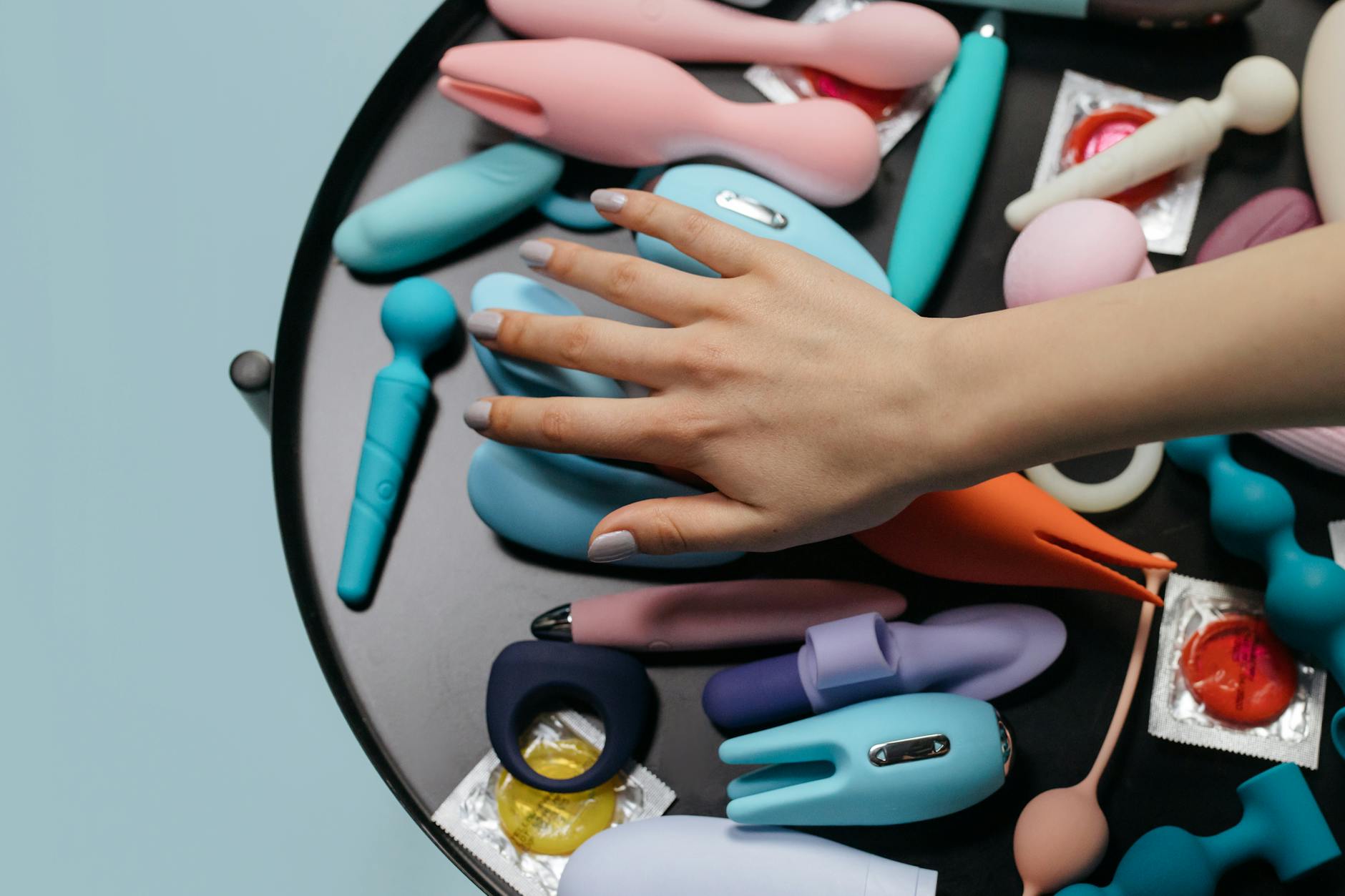
Photo by cottonbro studio on Pexels
Communication without the script
Most couples freeze when they try to "talk about sex." Here's a gentler way:
Use the lemon vibrator as the starting point of conversation, not the topic. Instead of "I want foreplay to last longer," show your partner. Invite them to participate. "I want to try something. Can you touch me here while I use this?" Suddenly you're not negotiating. You're creating an experience together.
If your partner is hesitant about toys, that's worth understanding. Common resistance: feels like a replacement, feels emasculating, unsure what to do. Address each separately. The lemon clitoral vibrator isn't replacing them. It's adding a sensation they can't provide. They're not less; they're collaborating. You might say: "I want you to see what this does to me. Then you can decide what feels right." Start with them watching. Many people relax once they see their partner's pleasure response.
The disconnection angle: when it's not just pace
Sometimes "foreplay feels rushed" is actually a symptom of something deeper. Resentment. Grief. Loss of attraction. A lemon vibrator won't fix those. But it does something else: it creates a structure for reconnection.
When you slow down intentionally and use a lemon sexual toy, you're making a statement. "This matters. You matter. I'm choosing to be here." That's different from what's happening in rushed sex. It's a language your nervous system hears.
If the disconnection runs deep—if it's about trust or respect, not pace—you might need a conversation about what's actually broken. But if it's a good relationship that's just gotten efficient, a lemon vibrator can be the reset button.
Solo practice: why it matters for partnered sex
Here's what most people don't realize: using a lemon clitoral vibrator alone teaches you your own pace. When you're not performing or rushing, you learn what foreplay actually does to your body. How long the buildup takes. What speeds work. What bores you.
Then, when you're with a partner, you have data instead of hoping. You can say: "I need about 15 minutes of this before anything else feels good." That's not a request. That's information. It changes the dynamic from "hurry up" to "here's what works." The Lem vibrator helps because it's designed for extended use without fatigue or overstimulation.
When to call this a real shift
You'll know something's changed when:
Sex takes longer and you don't resent it. The pace feels intentional instead of lazy. Your partner asks questions: "What feels good right now?" instead of assuming. You notice anticipation again. You're thinking about sex between sessions instead of just during them. The lemon vibrator is part of the routine now, not a novelty.
That's not just better foreplay. That's a different relationship with pleasure.
FAQs
How do I bring up using a lemon clitoral vibrator with my partner if they've never mentioned toys?
Don't frame it as a problem-solve. Frame it as curiosity. "I read about these and I'm curious what it feels like. Want to explore together?" Lead with your own interest, not their perceived failure. People respond better to "I want to try this" than "I need this because you're not doing this." Once they see you enjoying it, most partners become genuinely interested in participating.
Can we use a lemon sexual toy during partnered sex or just before?
Both work differently. Before, it builds arousal that carries into penetration. During, it changes the sensation of penetration itself. Many people find simultaneous clitoral stimulation from a lemon sucker plus penetration creates a blended orgasm they can't access otherwise. Experiment to see what your body prefers.
How long should we actually spend on foreplay?
There's no magic number, but research shows most people need 15-25 minutes of consistent stimulation to reach orgasm reliably. That means 15-25 minutes should be the baseline for foreplay alone, not the entire sexual encounter. A lemon vibrator helps you hit that timeline without getting bored.
What if my partner wants to use the lemon vibrator instead of me?
That's actually great. That means you get to focus on other parts of your body and presence. Many couples find that having the penetrative partner operate the clitoral vibrator creates a new dynamic of collaboration. You're still working together, just differently.
Does using a lemon vibrator during foreplay mean we never have "normal" sex again?
No. You're adding a tool, not replacing what works. Some sessions you use it. Some you don't. Some you use it for the whole experience. The point is flexibility. Your sex life becomes responsive to what you both want that day instead of defaulting to the same pattern every time.
How do I know if the disconnection during foreplay is a real problem or just a phase?
If it's been consistent for more than a few months and neither of you is initiating sex as often, it's worth addressing. If it's new but you're both still interested in sex, it might just be routine. Use a lemon clitoral vibrator to shake things up. If that restarts the connection, great. If you're still disconnected after trying to rebuild, that's when you might benefit from working with a couples counselor to understand what's really happening.
The bottom line
Foreplay doesn't have to be rushed. A lemon vibrator isn't magic, but it does create the conditions where slowness becomes natural instead of effortful. Presence returns. Anticipation returns. Sex starts to feel like something you're choosing together instead of something you're trying to get through. That shift happens in the foreplay phase. That's where it always starts.