When silence becomes the biggest barrier
Let's be real: the moment communication breaks down in a relationship, sex doesn't just get awkward. It disappears. You stop asking for what you want. Your partner stops asking what you need. And then the lack of sex becomes another thing you don't talk about, which makes talking about anything harder.
This cycle is common. It's also fixable. But the fix rarely starts with "let's have a conversation about our feelings." When trust has fractured, words can feel weaponized. What often works better is reintroducing pleasure as a language both of you remember.
Why pleasure reconnection comes before conversation repair
Here's the neuroscience part, kept simple: when couples are disconnected, the brain perceives touch as potential threat rather than safety. You flinch. You brace. Your nervous system is in defense mode. You can't talk your way out of that. You have to feel your way out.
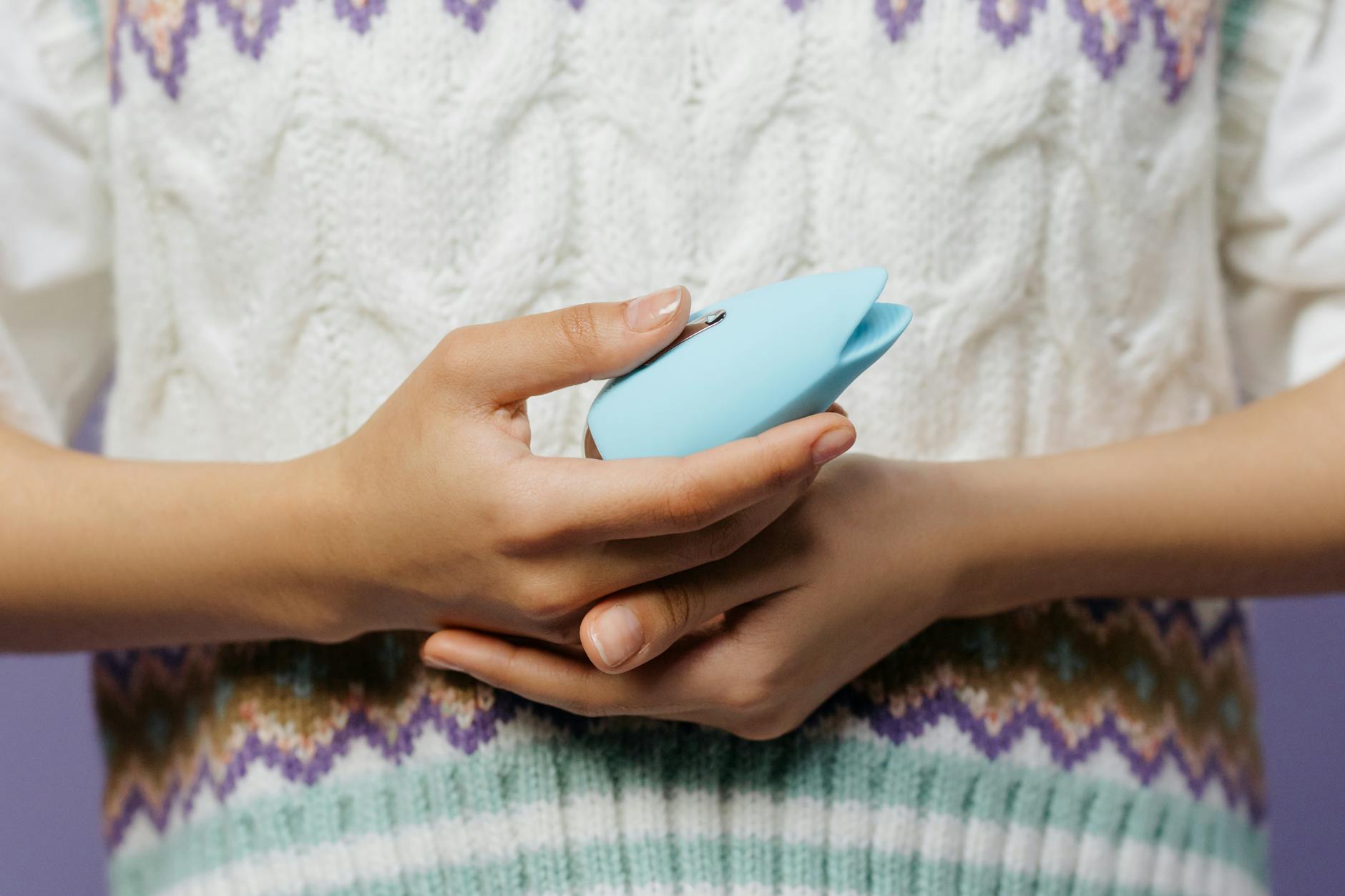
Introducing a tool like a lemon vibrator does something unusual. It depersonalizes the initial touch. You're not directly touching your partner. The vibrator is. This creates psychological distance that paradoxically makes closeness safer.
Second, the lemon's specific sensation pattern (consistent suction rather than vibration) doesn't trigger the same defensive response as direct fingering or traditional vibration might. It's novel. It's gentle. It feels like permission to enjoy sensation again without the weight of everything that's gone unspoken.
The setup: how to introduce this without triggering defensiveness
Don't say: "We need to use a toy because our sex life is broken."
Do say something closer to: "I found this thing that feels really good. Would you be curious to try it together sometime, no pressure?"
The difference is huge. One frames pleasure as a problem to fix. The other frames it as an adventure.
If your partner is hesitant, start with you using it solo. Let them see you enjoy it. No performance, no expectation they'll join. Just you, present and undefended in your own pleasure. This is the most powerful invitation you can offer.
When they do join, the first session should have zero goal. Not "we're rebuilding our intimacy." Not "let's get back to normal." Just "let's feel good for 20 minutes with no agenda beyond that."
The physical language when verbal language has failed
Once you're both present with the toy, several things can happen that wouldn't happen in regular sex after a communication breakdown.
First, your partner can see exactly what feels good. When you're using a lemon vibrator together, you can guide it, pause it, show them the patterns you like. They learn. You don't have to narrate. You just have to be honest with your body.
Second, pleasure becomes collaborative without being intrusive. Your partner isn't inside you. They're not triggering penetration anxiety or shame that might exist after years of disconnection. They're adjacent. They're helping. It's a softer entry back into partnership.
Third, orgasm becomes possible again. And this matters: when you have an orgasm while your partner is present, something shifts neurologically. You've just shown your nervous system that your partner is safe. That touch is safe. That pleasure is possible with them nearby.
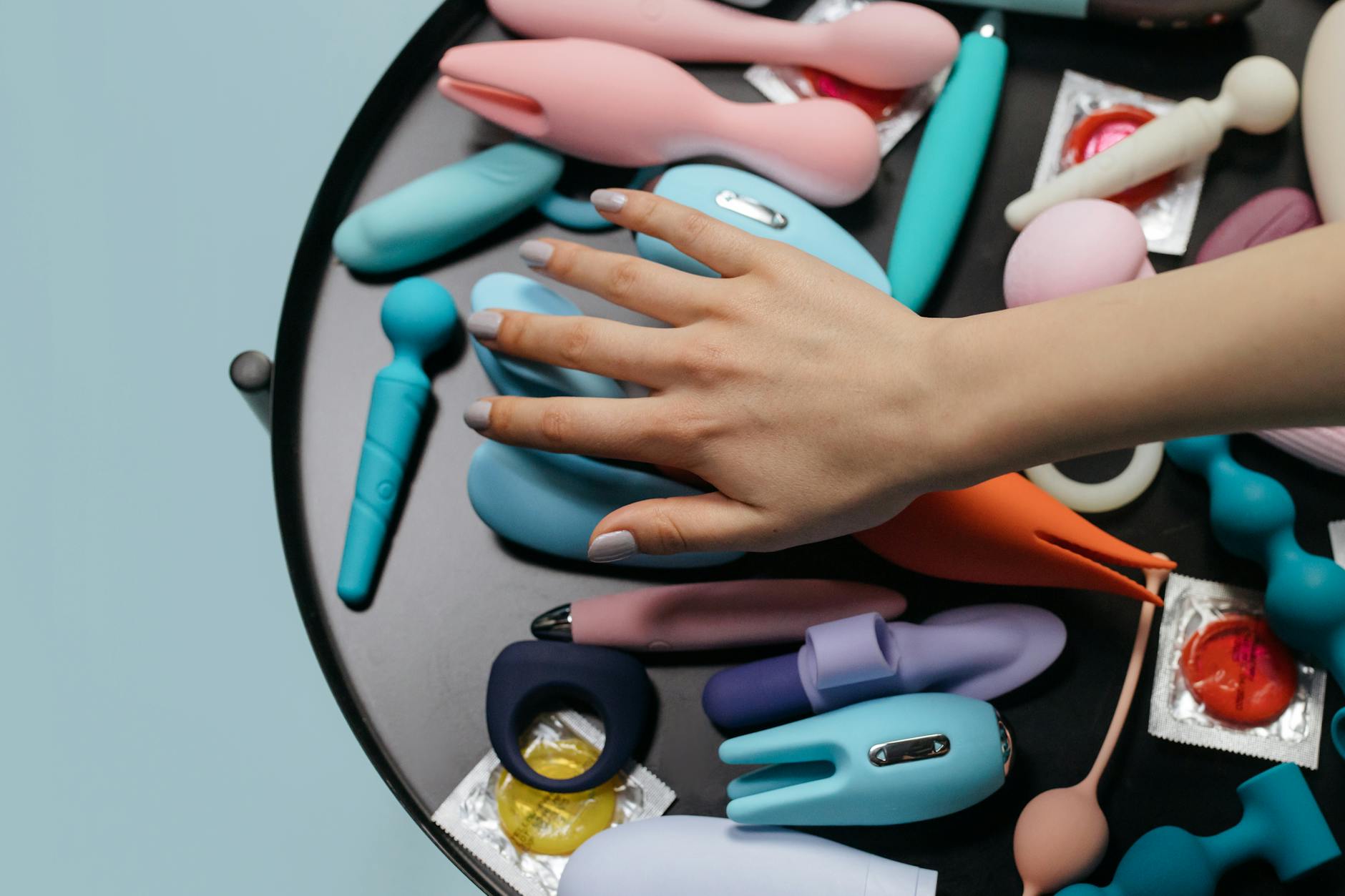
Photo by cottonbro studio on Pexels
Handling the shame that shows up
When couples have been disconnected for a while, shame often arrives with pleasure. "I shouldn't feel this good right now. We haven't fixed anything. I'm betraying the seriousness of this." Sound familiar?
This thought pattern is normal and counterproductive. Pleasure isn't a reward for communication repair. It's a tool that makes repair possible.
When shame arrives during a session with a lemon vibrator, you can actually name it: "I'm feeling a bit weird right now." If your partner is present and listening, they can respond with "I'm here. This is okay." And then you keep going.
This is the first time in months you might actually be practicing reassurance in real time. It's clumsy. It might feel artificial. It's working.
The conversation that comes after (not before)
Once you've reconnected through pleasure a few times, conversation becomes possible again. Not because you're healed. Because your nervous system has evidence that your partner can be trusted with your vulnerability.
Now you can talk about what broke the communication in the first place. You can discuss resentments. You can ask questions without them feeling like accusations. Your body has given your brain permission to lower its guard.
This is when you might want actual couples therapy if the underlying issues are serious. But you're entering it from a place of "we can feel good together again" rather than "everything is broken." That shift changes everything.
What to expect from your partner's experience
If your partner has been the withdrawn one, using a lemon vibrator together offers them something specific: evidence that you're still drawn to pleasure, to them, and to connection. Desire didn't die. It just got buried.
Many partners who've pulled away report that watching their partner have an orgasm with a clitoral vibrator is the first time they've felt attraction returning in years. Not because the vibrator is inherently sexy. Because their partner is present. They're feeling. They're alive in their body.
That presence is contagious.
Practical mechanics: how to actually use it together
Start slow. Longer foreplay than you think you need. Your bodies need time to remember what safety feels like.
Use plenty of water-based lubricant. Even if you're producing natural lubrication, extra lube makes the sensation less intense and more pleasurable. It also makes the conversation between your bodies less fraught.
Begin on the lowest setting. Let your partner guide it, or guide their hand. The act of directing someone's touch is itself communication. You're teaching. They're listening.
If your partner wants to use the lemon vibrator on themselves while you're present, that's valid. You're not required to administer pleasure. Your presence is enough.
Allow for 20 to 40 minutes. Rushed sex after a communication breakdown sends the nervous system a message: "We're doing this to check a box." Time signals: "We're here because we want to be."
When you're both ready for the hard conversations
Once physical reconnection has happened a handful of times, you'll likely notice something: actual things feel safer to discuss. Not because pleasure fixed your problems. Because your nervous systems are less defensive.
This is when you might explore whether an in-person couples therapist could help you talk about the deeper stuff. Or whether you need to discuss specific betrayals, resentments, or fears that created the communication breakdown in the first place.
The lemon vibrator isn't therapy. It's an opening. What you do with that opening depends on both of you showing up willing to be honest.
When to know it's not enough
If you've reconnected physically multiple times and your partner still won't speak to you about what broke. If pleasure is present but contempt or stonewalling returns immediately after. If you feel like you're using the toy to avoid the real issue rather than opening a door to address it.
Then it's time to get professional help. A couples therapist trained in the Gottman Method can help you rebuild communication in ways that a toy, no matter how well-designed, cannot.
But here's what I've seen in my practice: the willingness to reconnect through pleasure is often the first sign that someone still wants to be in the relationship. That desire matters. It's the foundation everything else gets built on.
FAQs
What if my partner refuses to acknowledge the toy at all?
That's a sign the communication breakdown is deeper than just sex. If your partner can't even discuss introducing a tool together, the relationship likely needs professional mediation before pleasure reconnection can happen. Consider couples therapy as the first step, not the lemon vibrator.
Is using a toy cheating if we're reconnecting after infidelity?
No. A toy is a tool for pleasure between you. If infidelity broke your trust, that's a separate conversation that usually requires a therapist. But introducing shared pleasure can actually be part of rebuilding safety, not a replacement for addressing the betrayal.
How long does it usually take to reconnect after communication breaks down?
There's no standard timeline. Some couples reconnect physically within a few sessions and then tackle conversation. Others need months. The lemon vibrator can accelerate the process, but it's not a shortcut. Both partners have to be willing.
What if we reconnect through pleasure but the underlying issues are still there?
Then you've done the easy part. Physical reconnection is necessary but not sufficient. You still need to address why communication broke in the first place. Consider working with a therapist who specializes in couples communication and conflict resolution.
Can we use the lemon vibrator if I'm dealing with trauma or sexual assault history?
Maybe. It depends on your specific trauma and how your body responds to sensation. Some survivors find that gentle, pressure-based stimulation feels safer than penetration. Others need to work with a trauma-informed therapist first. Don't force it. Your healing timeline matters more than the relationship's reconnection timeline.
Should we tell a therapist we're using a toy to reconnect?
Absolutely. A couples therapist should know how you're working to reconnect, including through pleasure. It's relevant information. If your therapist seems judgmental about it, find a new therapist.
The path forward
When communication fractures, so does intimacy. The reverse is also true: when you rebuild intimacy, communication becomes possible again. A lemon clitoral vibrator isn't magic. It's permission. Permission to feel good. Permission to let your partner see you enjoy sensation. Permission to remember that you still want each other.
That permission might be the bridge back to actually talking about what went wrong and what comes next. And that conversation, finally grounded in mutual desire rather than mutual defensiveness, is where real healing begins.
If you're ready to reconnect with your partner and want guidance beyond what a tool can offer, consider reaching out to a couples therapist or contact us if you have questions about how to get started.