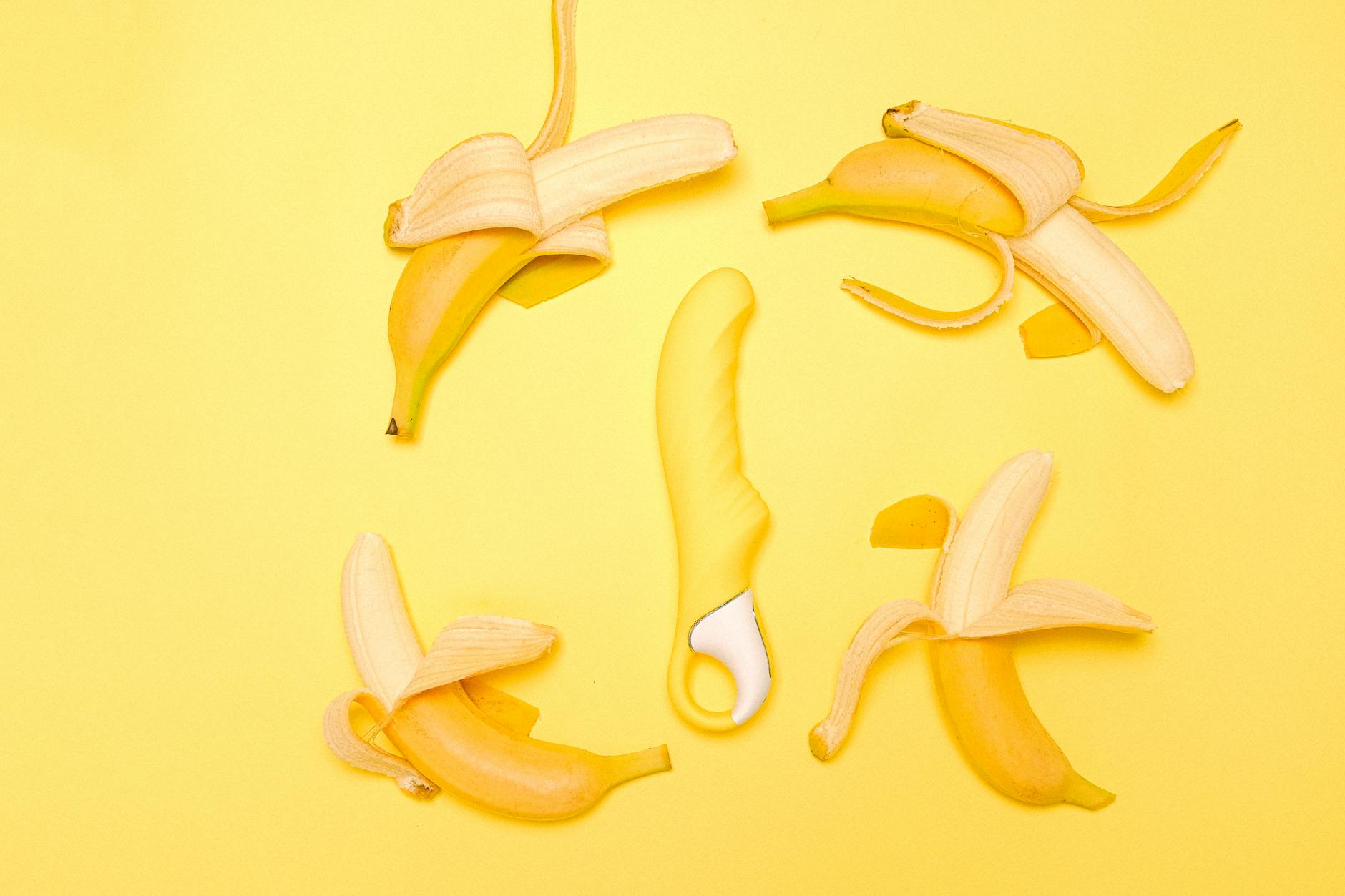
Let's talk about the hard part
Relationship trauma doesn't just hurt emotionally. It mutes your body. Touch that once felt good becomes loaded with fear or numbness. Your nervous system learned to protect you by shutting down sensation, and now reconnecting with pleasure feels impossible, or worse, wrong.
Here's what I want you to know: rebuilding pleasure after relationship hurt is absolutely possible. And for many people, lemon vibrators become an unexpectedly powerful tool in that process.
Why pleasure recovery looks different than healing
Healing from relationship trauma involves processing grief, rebuilding trust, and often therapy work. Pleasure recovery is something else. It's your body learning, slowly, that sensation can be safe again. That you get to choose what touches you, when, and how intensely.
When someone has been hurt by a partner, their nervous system stays in a protective crouch. Arousal feels dangerous or foreign. Touch triggers memories of violation or abandonment. The goal isn't to "get over it" or rush back to how things were. The goal is to rebuild a relationship with your own body that feels like yours again.
That's why solo exploration matters more than partnered sex during this phase. And why a tool like a lemon vibrator, which you control entirely, can be transformative.
The suction advantage for trauma recovery
Traditional vibrators use direct contact and vibration. A lemon clitoral vibrator uses gentle suction, which activates the clitoris differently. Here's why that matters for someone rebuilding after trauma.
Suction feels less invasive than direct contact for many people. It's a gentler, less aggressive sensation. You're not being stimulated to a finish line. You're exploring sensation at your own pace, with your own hands on the remote, deciding intensity moment to moment. That control is crucial. When your body has experienced violation, giving yourself full agency over stimulation can feel revolutionary.
The lemon vibrator also delivers sensation without requiring sustained pressure or penetration. For someone whose trauma involves pain during sex or anxiety about penetration, suction offers pleasure without triggering that specific vulnerability.
Starting slowly, on your timeline
Honestly, the worst thing you can do in pleasure recovery is push. Set a timeline. Make it a goal. Pressure transforms healing into another obligation.
Instead, approach a lemon vibrator like curiosity. Not as a tool to "fix" yourself or prove you're healed. Just as something to try when you feel ready.
First few times, you might not use it at all. You might just hold it, sit with it, notice what feelings come up. That's not wasted time. That's your nervous system gradually learning that this object is safe, that it belongs to you, that you're in control.
When you do use it, start with the lowest setting. Many people who've experienced trauma find that low-intensity stimulation feels manageable where intensity would trigger shutdown. The Lem's settings allow you to stay in that gentle range for as long as you need.
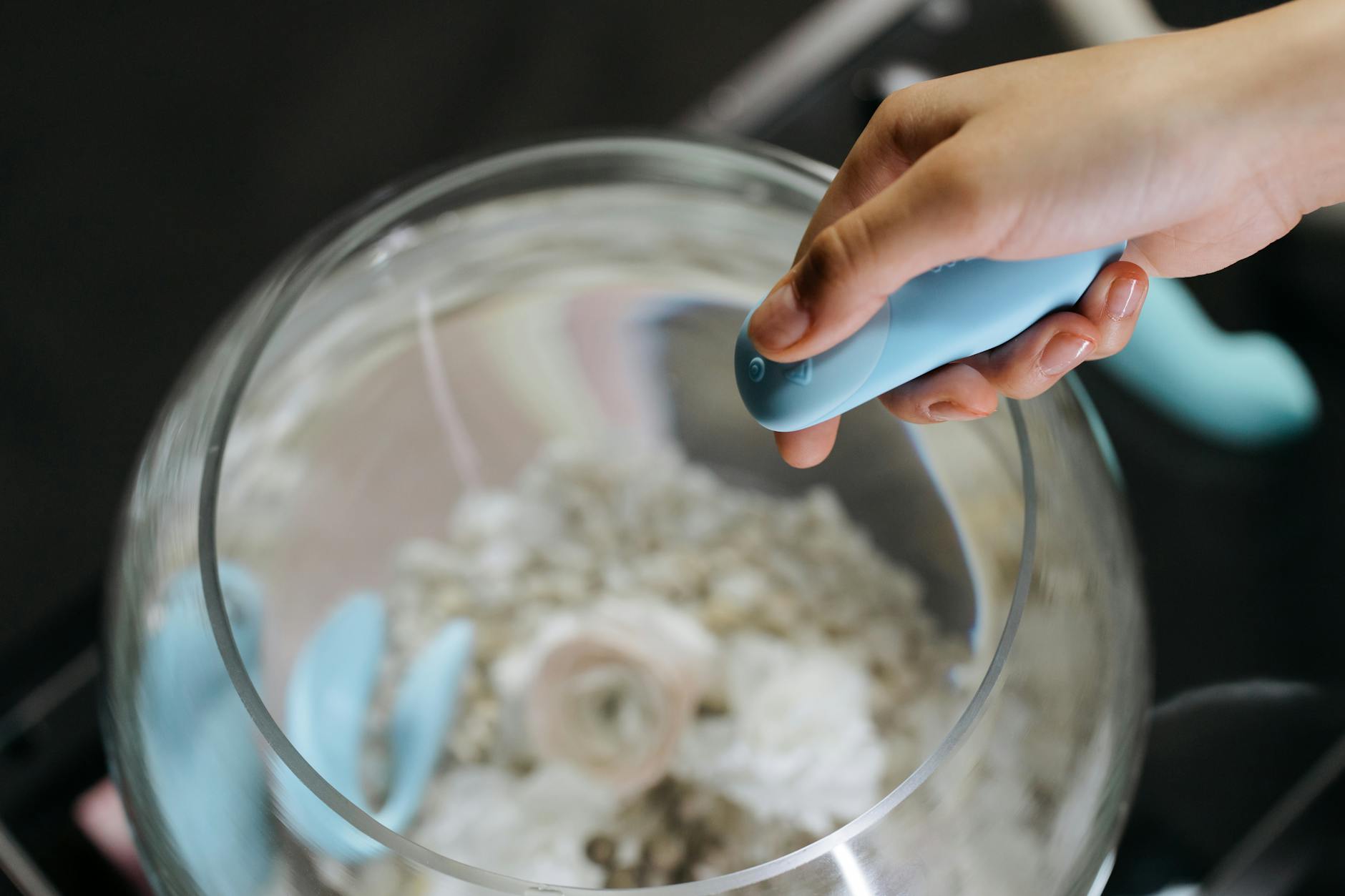
Photo by cottonbro studio on Pexels
Creating safety in your body
Trauma teaches your body that touch is unpredictable. Pleasure recovery means teaching it otherwise. Solo exploration with a device you fully control is one of the most direct ways to do that.
Here's what rebuilding safety might look like: You choose the time, the place, the lighting. You set a boundary ("I'll explore for 10 minutes and then stop"). You notice what feels okay and what doesn't. You stop if anything triggers you. You don't push through discomfort. You celebrate small wins. You go at your pace, not someone else's.
Over time, your nervous system registers these patterns. Touch can be chosen. Pleasure can be safe. Your body belongs to you.
That's not philosophy. That's neuroscience. Your brain rewires based on repeated safe experiences.
When to involve a partner again
If you're eventually moving toward partnered sex, lemon vibrators can actually bridge that gap. Some couples find that incorporating a clitoral vibrator into shared intimacy reduces performance anxiety. You're not relying on your partner's touch alone. You're bringing your own source of pleasure into the experience. That takes pressure off both of you.
But here's the critical part: that doesn't happen until you've rebuilt the foundation solo. Learn what feels good to you first. Know your own body's response. Then, if and when you invite a partner into that experience, you're coming from a place of knowing, not searching.
If you're considering partnered play after trauma, communication matters more than anything. How to talk to your partner about using a lemon vibrator together walks through that conversation carefully.
The role of grounding and breath
This isn't specific to lemon vibrators, but it's essential context. Many people who've experienced relationship trauma find that arousal triggers flashbacks or dissociation. Your body goes numb or your mind leaves.
During self-exploration, grounding techniques help. Notice five things you can see, four you can touch, three you can hear, two you can smell, one you can taste. Feel your feet on the ground. Breathe slowly. If flashbacks happen, pause. It's not failure. Your nervous system is doing its job.
Low-intensity suction from a lemon vibrator actually supports this. It's gentle enough that you can stay present with it. You're not chasing intensity. You're building sensation awareness, which is the opposite of dissociation.
Pleasure is not the same as healing
Let me be clear: using a lemon vibrator is not therapy. It's not a substitute for professional support if you're dealing with trauma. But it's also not frivolous. Pleasure is part of healing. Reclaiming your body's capacity for joy is part of reclaiming yourself.
For many of my clients, the moment when they realized they could experience pleasure again without fear or guilt was a turning point. Not because an orgasm fixed anything, but because it proved something to their nervous system: you're safe. You're in control. You deserve this.
Compassion over pressure
Rebuild at your pace. Some people reconnect with solo pleasure within months. Others take years, and that's completely valid. There's no timeline for your body to feel safe again.
If you choose to explore with a lemon vibrator, do it without expectations. If you don't, that's okay too. There are many paths back to pleasure, and solo exploration is just one of them. The most important thing is that whatever you do, you're doing it because you chose it, not because you should.
Your pleasure matters. Your timeline matters. Your body's need for safety matters more than any goal.
People also ask
Can using a vibrator after trauma feel triggering?
Yes, it can. That's normal. Some people find that any sexual stimulation brings up feelings of violation or discomfort initially. If that happens, pause. Ground yourself. Talk to a therapist if trauma is active. Over time, and with repetition in a safe context, that trigger response often softens. But there's no rush, and you never have to push through intense discomfort.
How do I know if I'm ready to use a lemon vibrator after relationship trauma?
Readiness isn't a clear moment. It's more like a slight opening. You might notice curiosity rather than dread. You might feel interested in pleasure again, even tentatively. You don't have to feel completely healed. You just need to feel willing to explore without pressure. If you're hesitant, that hesitation is information. Honor it.
Is using a vibrator alone better than trying with a partner?
For trauma recovery, yes, initially. Solo exploration lets you rebuild your relationship with your own body without navigating someone else's needs or responses. You set the pace. You control everything. Once you've rebuilt that foundation, partnered exploration can happen, but it's optional and should only happen when you feel genuinely ready.
What if I feel numb or dissociated when I try to use a vibrator?
Dissociation is a trauma response. Your nervous system is protecting you. This is incredibly common and doesn't mean you're broken. If dissociation happens, pause. Practice grounding. Consider working with a trauma-informed therapist. Over time, gentle, low-intensity exploration can help you stay present in your body. The Lem's lower settings are particularly useful for this.
Can a lemon clitoral vibrator help me trust my body again?
Absolutely. Using a tool you completely control, with no pressure to perform or reach any goal, gradually teaches your nervous system that sensation can be safe. Each time you explore without harm, your brain registers that. Over time, that accumulates into a shifted relationship with your body and touch.
How do I handle guilt about pleasure after relationship trauma?
Guilt is common. Your nervous system learned that pleasure was linked to harm. Rewiring that takes time. Remind yourself: your pleasure is yours. It doesn't betray anyone. It doesn't mean you're "getting over it." It means you're reclaiming yourself. If guilt is intense, therapy helps tremendously.
Rebuilding pleasure after relationship trauma is patient work. It's you, slowly, learning to trust your body again. A lemon vibrator can be part of that journey, but so can time, support, and radical self-compassion. You deserve to feel good in your body. That's not selfish. That's recovery.