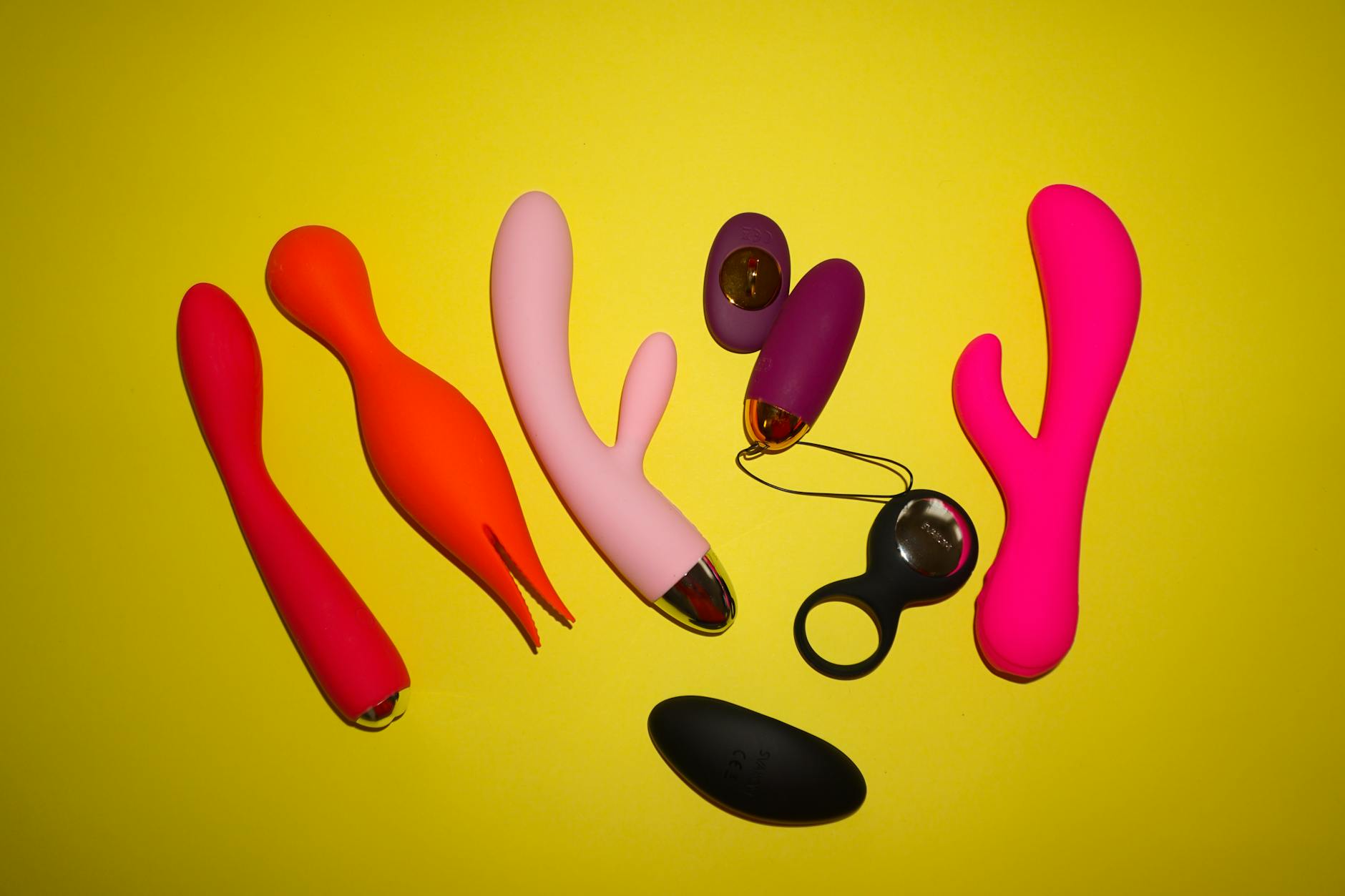
Why Lemon Vibrators Feel Different When You're on Hormonal Birth Control
Let's be real. You've probably noticed that sex feels different depending on where you are in your cycle, what contraceptive you're using, or even which brand of pill you switched to last month. That's not in your head. And it's not a sign something's wrong with you or your pleasure.
Hormonal contraceptives are powerful. They suppress ovulation, which means they're suppressing the monthly hormone swings that shape arousal, sensation, and how quickly you climax. If you've been using the same lemon clitoral vibrator for years but it suddenly feels less intense or you need a higher setting to get there, your birth control might be the reason.
Here's what I've learned from working with hundreds of people navigating this: the physical changes are real, predictable, and absolutely workable. You're not broken. Your device isn't broken. You're just operating on a different biochemical baseline now.
How hormonal birth control reshapes arousal
The pill, the patch, the ring, the implant. All of them work by flooding your system with consistent levels of synthetic estrogen and progestin (or just progestin alone, in mini-pill formulations). This steadiness is the whole point. Your body never surges. It never dips. It just stays flat.
This flatness changes three major things for pleasure:
Testosterone suppression. Most hormonal contraceptives increase a protein called SHBG (sex hormone binding globulin), which latches onto testosterone and makes it unavailable to your tissues. Testosterone isn't just for people with external genitalia. People with vulvas produce it in their ovaries and adrenal glands, and it's a primary driver of desire and sensation. Less available testosterone means arousal can take longer to kindle.
Blood flow shifts. Estrogen affects vascular tone. Consistent synthetic estrogen doesn't create the same blood vessel expansion that a natural estrogen surge does mid-cycle. This can mean slower clitoral engorgement and less urgent sensation in the first 10 to 15 minutes of stimulation.
Mucous membrane changes. Some hormonal contraceptives thin the vaginal and clitoral tissues slightly because they're working to suppress the cervical mucous changes that signal ovulation. This doesn't mean lubrication stops. It means tissue density shifts, which can make direct contact feel either more sensitive or less responsive, depending on the formulation and your individual body.
Why sensation might feel duller (and what that means)
Here's what clients tell me most often: "I used to come in five minutes. Now it takes 20. And it takes a higher intensity setting on my vibrator."
That's not a failure of your device. That's biology. When your body runs on a steady-state hormone dose instead of monthly peaks and valleys, your nervous system recalibrates. Your arousal template shifts. You might genuinely need more time to warm up, or you might need slightly more intensity to reach the same threshold you hit before.
The Lem works brilliantly here because it's not just a vibrator. It's suction. The pulsing pressure stimulates nerve clusters without requiring the same mechanical contact intensity that a traditional vibrator demands. If you're on a hormonal contraceptive that's made direct clitoral contact feel uncomfortable or duller, the Lem's suction-based design can feel like it's accessing sensation in a new way.
The weird part: some people feel more, not less
Here's where it gets interesting. Not everyone on hormonal birth control reports decreased sensation. Some people report the opposite. They come off the pill and suddenly the world feels muted. They go on it and sensation sharpens.
This happens when someone's body has been producing excess testosterone or when natural hormones were creating inflammation that made stimulation uncomfortable. Hormonal contraceptives can reduce inflammation, balance testosterone slightly, or just give your nervous system relief from monthly hormone chaos. For those people, pleasure actually expands.
There's also a psychological component. If you've been anxious about pregnancy, hormonal contraceptives can free up mental real estate for pleasure. Some people don't realize how much cognitive load that worry was taking up until it's gone.
Choosing a lemon sexual toy that works with your contraception
If you're on a hormonal contraceptive and you're noticing changes in sensation, here's what I recommend:
Start with what you know. If you've been using one type of device and it's suddenly not hitting the same, don't automatically blame your contraceptive. Notice what's changed specifically. Is it arousal time? Intensity needed? Comfort? Those are different problems with different solutions.
Consider suction over vibration. If direct pressure feels less responsive or uncomfortable, suction-based lemon vibrators can feel like they're working with your tissue density rather than fighting it. They tend to feel softer and more expansive, less like you need to crank the power.
Invest in warm-up time. Hormonal contraceptives often lengthen the arousal phase. Instead of fighting that, budget for it. Foreplay that used to feel optional might now feel essential. That's not a loss. That's just a different rhythm.
Experiment with external-only stimulation first. If you've been doing penetrative play, shift your focus to external clitoral work before you bring internal sensation in. Your body might respond better to layered building than to everything at once.
When to talk to your doctor about it
If sensation changes feel truly uncomfortable, or if arousal takes so long it's affecting your relationship or your own desire, mention it. Some formulations of hormonal contraceptives suppress testosterone more aggressively than others. A different pill, patch, or hormone dose might shift things back toward where you want them.
Also mention it if your arousal has tanked completely. Hormonal contraceptives shouldn't kill pleasure. If they have, something might be worth adjusting. Some people find that adding a small amount of supplemental testosterone, or switching to a lower-dose formulation, brings sensation back.
There's also the option of cycling off hormonal contraceptives for a month or two if you're curious whether they're the variable. Some people do this intentionally a couple of times a year to reconnect with their natural cycle. That's a conversation for your provider, but it's an option.
The frame shift that actually matters
Here's what I want you to know: hormonal birth control is genuinely wonderful. It prevents pregnancy, regulates periods, reduces cramps, clears skin. It also changes how your body responds to pleasure. Those two things can both be true.
The mistake people make is thinking that change equals loss. It doesn't. It's a shift. And shifts are workable. You're not starting from zero. You're learning what your body is now and what a lemon clitoral vibrator, or any device, needs to do to meet you there.
Your pleasure didn't disappear. It's just operating on different parameters. And once you understand those parameters, you can actually dial in exactly what feels good.
FAQ: Hormonal Birth Control and Lemon Vibrators
Does every type of hormonal birth control affect sensation the same way?
No. Pills with different hormone ratios affect people differently. Some are more testosterone-suppressing than others. The implant, which releases progestin directly into your bloodstream, often has a bigger impact on arousal than the patch. The copper IUD doesn't use hormones at all and typically doesn't change sensation. If you've noticed a shift after starting a specific contraceptive, mentioning it to your doctor might lead to trying a different formulation that works better for you.
Can switching from one pill to another improve sensation?
Yes, sometimes. If your current pill is making arousal feel sluggish, switching to a lower-dose formulation, a different hormone balance, or even a different type of contraceptive entirely can help. Pills with less SHBG suppression might preserve more available testosterone. It's worth experimenting if sensation changes are bothering you, though changes can take a few months to show up as you adjust to new hormone levels.
Will a lemon vibrator specifically help with hormonal birth control slowdown?
Suction-based stimulation like the Lem can be really helpful because it doesn't rely on the same kind of direct pressure that traditional vibrators need. If hormonal contraceptives have made your tissues less responsive to vibration, suction can stimulate the same nerve networks differently. It's not magic, but the mechanism is genuinely different from a standard vibrator.
Does arousal time come back if I stop hormonal birth control?
Often, yes. If you've been on the pill and you stop, arousal speed and sensation intensity usually normalize within 2 to 4 months as your hormones rebalance. Some people find that adding back natural hormone swings actually deepens sensation. Others discover that they liked the steadiness hormonal contraceptives offered. There's no universal right answer here.
Can I use a lemon clitoral vibrator if I'm on hormonal birth control?
Absolutely. Hormonal contraceptives don't make devices unsafe. They might change how sensation feels or what settings work best for you, but they don't create any contraindications with using a lemon vibrator or any other toy. If anything, understanding how your contraceptive affects arousal helps you choose the right device.
Is it normal to feel less pleasure on hormonal birth control, or is something wrong?
It's normal, but it's not universal. Some people feel less, some feel more, some feel completely the same. If pleasure is significantly diminished and it's bothering you, that's worth troubleshooting with both a healthcare provider and a thoughtful approach to what your body might be responding to differently. It might be hormonal, it might be psychological, or it might be a combination. You deserve to feel good.
Coming back to what matters
Your body is responding to birth control exactly the way bodies are supposed to respond to birth control. That responsiveness is data, not damage. And once you understand what's shifting, you can work with it instead of against it. A lemon vibrator, or any tool for pleasure, is just more effective when you actually know what you're working with.
If you want to talk through what's shifted for you specifically, or if you're just curious about how to approach pleasure differently on your contraceptive, let's connect. You don't have to figure this out alone.