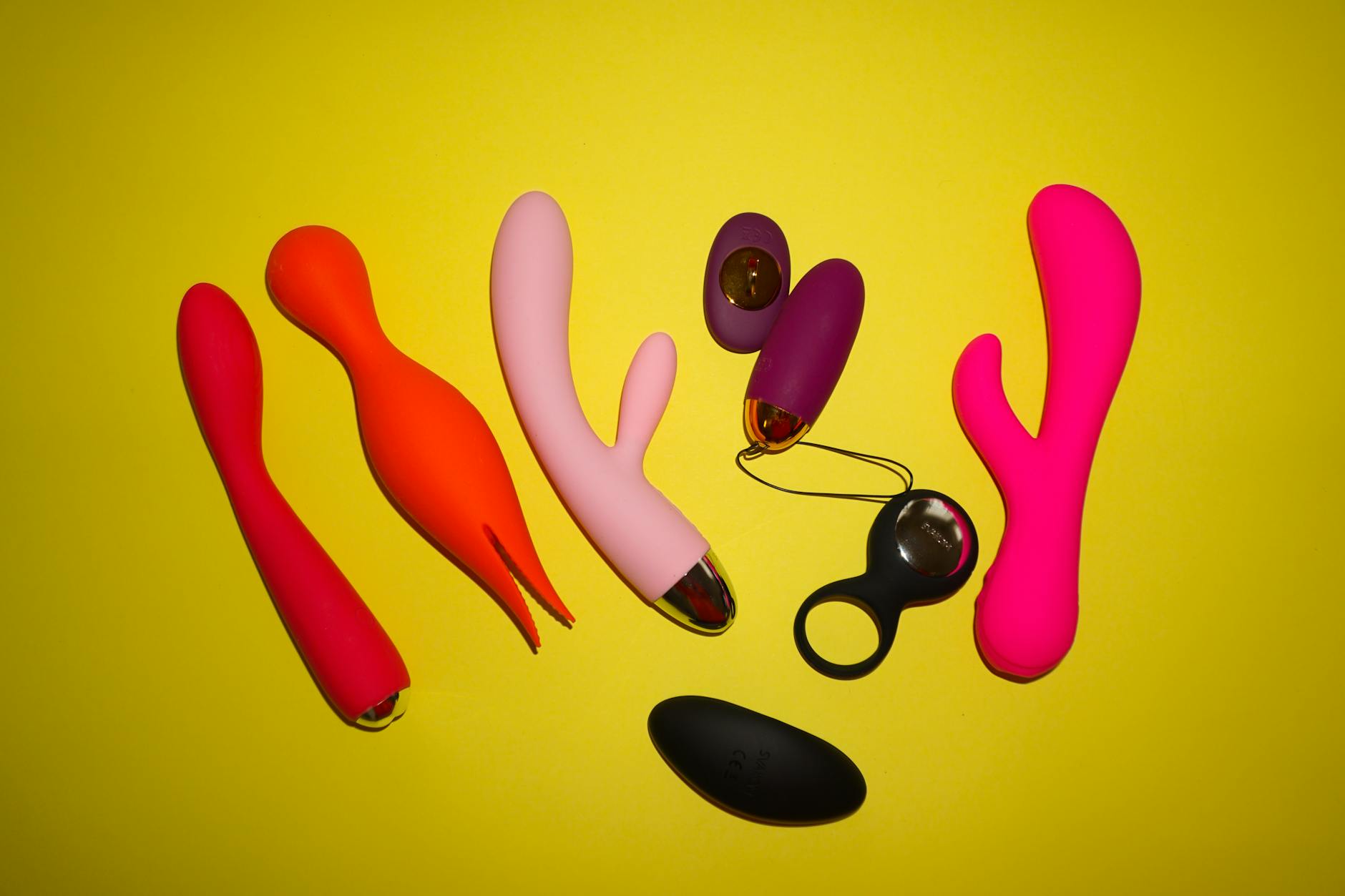
Here's what nobody tells you about emotional distance
Emotional distance doesn't announce itself with a bang. It creeps in slowly, often so quietly that you don't notice until something that always felt good suddenly feels flat. You might reach for your lemon vibrator expecting the usual intensity and find yourself thinking about the grocery list instead. That shift isn't random, and it's not your body failing you.
It's your nervous system telling you something important: pleasure requires presence. When emotional closeness erodes, physical sensation changes. Not because your clitoral vibrator stopped working, but because the conditions that make pleasure possible have shifted.
The neuroscience of emotional distance and physical sensation
Here's the thing about how your brain processes pleasure. It doesn't happen in isolation. When you're emotionally distant from a partner, your nervous system stays in a lower-grade alert state. You're not fully relaxed. Your body is somewhere between engaged and protective, which means the neural pathways that light up during arousal aren't firing the way they usually do.
Think of it like this. Pleasure requires trust. Trust requires presence. Presence requires emotional connection. When any of those links breaks, the whole chain feels different. Your lemon clitoral vibrator is still doing exactly what it always did. Your body's capacity to feel sensation is still intact. But the context in which you're experiencing pleasure has changed fundamentally.
Couples often come to me saying things like "Sex used to feel amazing, and now it feels like we're just going through the motions." They're not exaggerating. The motions are literally different because the emotional baseline has shifted. Your body knows the difference between sex with someone you feel close to and sex with someone you feel distant from. Always.
When emotional connection fades, sensation often follows
This happens in stages, and recognizing them matters. In the early stages of emotional distance, pleasure might feel less intense but still present. You might notice you need more stimulation to feel the same response. Your lemon vibrator might go from being a quick path to satisfaction to requiring longer sessions.
As distance deepens, sensation can become almost numb. Not physical numbness. But emotional numbness that shows up as physical flatness. You might orgasm and feel almost nothing afterward. The release that usually leaves you satisfied feels empty. That's not a toy problem. That's a connection problem wearing a physical disguise.
Many people misinterpret this as losing desire. But desire and emotional distance are different animals. You might still want sex. Your body might still respond. But the experience of pleasure contracts. It becomes localized, mechanical, separate from everything else you're feeling. Which is exactly what happens when you're not emotionally present with your partner.
The gap between solo pleasure and partnered pleasure widens
Here's a pattern I see constantly in my practice. When emotional distance builds, solo pleasure often stays intact while partnered pleasure becomes harder. You might use your lemon sexual toy alone and feel completely satisfied. But when your partner initiates, something switches off.
That gap is telling. It means the issue isn't your body's capacity for pleasure. It's the emotional context in which you're experiencing it. Solo pleasure doesn't require trust or presence. Partnered pleasure does. The fact that one works and the other doesn't is data. It's pointing you toward the actual problem.
This is why some couples find that taking sex off the table for a while actually helps. When pleasure becomes another domain where you're not connecting, it adds pressure instead of release. Sometimes stepping back from physical intimacy and rebuilding emotional intimacy creates the conditions where physical pleasure becomes possible again.
Why your timing feels off (and what that actually means)
Another thing I notice when couples are emotionally distant is that arousal timing shifts. You might need way more warm-up time than you used to. Or you might lose interest mid-session in a way that never happened before. Your lemon vibrator might feel overstimulating when it used to feel perfect.
That's not random either. When you're not emotionally present, your body's arousal response is less efficient. Your nervous system isn't fully engaged in the experience. So you need longer to get there, or you get there and then your mind pulls away because the emotional foundation isn't supporting the physical experience.
I had a client describe it as "feeling like I'm watching myself have sex instead of actually having it." That dissociation is classic when emotional distance is present. Your body is there. But you're not fully there. And your body knows.
How to start rebuilding before you rebuild physically
This is where most couples get stuck. They assume they need to fix the physical part. So they try new positions, new toys, more frequent sex. But if the emotional distance is still there, none of that works. You can't clitoral vibrator your way back to intimacy. You have to rebuild the thing that actually matters first.
Start small. I mean genuinely small. Not "let's have a deep conversation about our feelings." That often backfires when distance is high. Start with presence. Eat a meal together without phones. Go for a walk and actually pay attention to each other. Have a conversation where you're not trying to fix anything or prove anything. Just present.
Touching comes before sex. Hold hands. Hug longer than you normally would. Let your nervous systems recalibrate to each other. When emotional safety starts to return, physical sensation follows naturally. Your body doesn't disconnect from pleasure unless there's a reason. Usually that reason is that connection is missing.
When to try a lemon vibrator again (and why timing matters)
Don't rush back to toys. When emotional distance is present, introducing stimulation can actually deepen the disconnection because it highlights how absent you both are. But once you've rebuilt some baseline emotional presence, a lemon clitoral vibrator can actually help rebuild physical intimacy in a useful way.
Here's why. Solo pleasure with a toy can feel less emotionally loaded than partnered sex when distance is high. Using a lemon vibrator together in a low-pressure way (not as a performance, just as an exploration) can help you both remember what pleasure feels like without the weight of trying to fix the relationship attached to it.
It's like hitting the reset button. The physical sensation returns because you're approaching it differently. You're not trying to recapture what you used to have. You're just exploring what feels good right now, together but without the expectation that it has to mean something. Often that lightness is exactly what creates space for deeper connection to return.
The role of consistency and small rituals
When emotional distance has built slowly, rebuilding requires consistency. It's not about one perfect evening. It's about small, repeated moments of connection. A 10-minute conversation where you actually listen. A shoulder massage with no expectation attached. Sleeping close to each other. These small rituals tell your nervous system that you're safe with this person again.
As that safety returns, physical sensation naturally shifts. Your body relaxes. Your presence deepens. And then when you use your lemon vibrator, it feels different because you feel different. Not because the toy changed. Because you changed. Because your nervous system is no longer running on protective mode.
When professional support helps
If emotional distance has been present for a long time, sometimes you need help rebuilding. That's not a failure. That's actually the thing that works. A relationship coach or therapist can help you both understand what created the distance and give you actual tools to rebuild. Not just in the bedroom, but in your entire relationship.
The goal isn't to get back to how things were. Usually that's not even possible or desirable. The goal is to build something new that actually works for who you both are now. And then physical pleasure follows naturally. Your body wants to feel connected. It's built for it. But it needs the emotional foundation to be there first.
FAQ
Why does emotional distance affect physical pleasure if they're separate parts of a relationship?
They're not separate. Your nervous system doesn't compartmentalize. When you feel emotionally safe and connected, your body relaxes into pleasure more easily. When emotional distance is present, your nervous system stays partially activated in a protective way. That changes everything about how sensation feels, how arousal builds, and whether pleasure feels satisfying.
Can using a lemon vibrator help bring back physical connection if we're emotionally distant?
Not as a primary tool. A toy can highlight the distance if it's already there. But once you've started rebuilding emotional presence, using a lemon clitoral vibrator together can help you both remember that pleasure is possible. It's a bridge, not a destination.
How long does it usually take for pleasure to feel normal again after emotional distance?
That depends on how long the distance has been present and how intentional you both are about rebuilding. Sometimes a few weeks of consistent small reconnections shifts things. Sometimes it takes longer. The key is consistency, not intensity. Small moments matter more than big grand gestures.
Is it normal to feel numb during sex when emotional distance is high?
Completely normal. That numbness is your nervous system telling you something is off. It's not a physical problem. It's a signal that emotional safety has shifted. Once you rebuild that safety, the numbness usually lifts.
Should we stop having sex while we rebuild emotional connection?
There's no universal answer. Some couples benefit from a pause. Others find that low-pressure physical affection actually helps rebuild connection. The key is that whatever you do, it should feel aligned with what you both need. If sex feels obligatory or heavy, stepping back often helps.
What if my partner doesn't think emotional distance is the problem?
That's actually a communication problem, which is different from an emotional distance problem but often connected. Sometimes a conversation with a neutral third party helps. A therapist or coach can help you both see what's actually happening without defensiveness getting in the way.