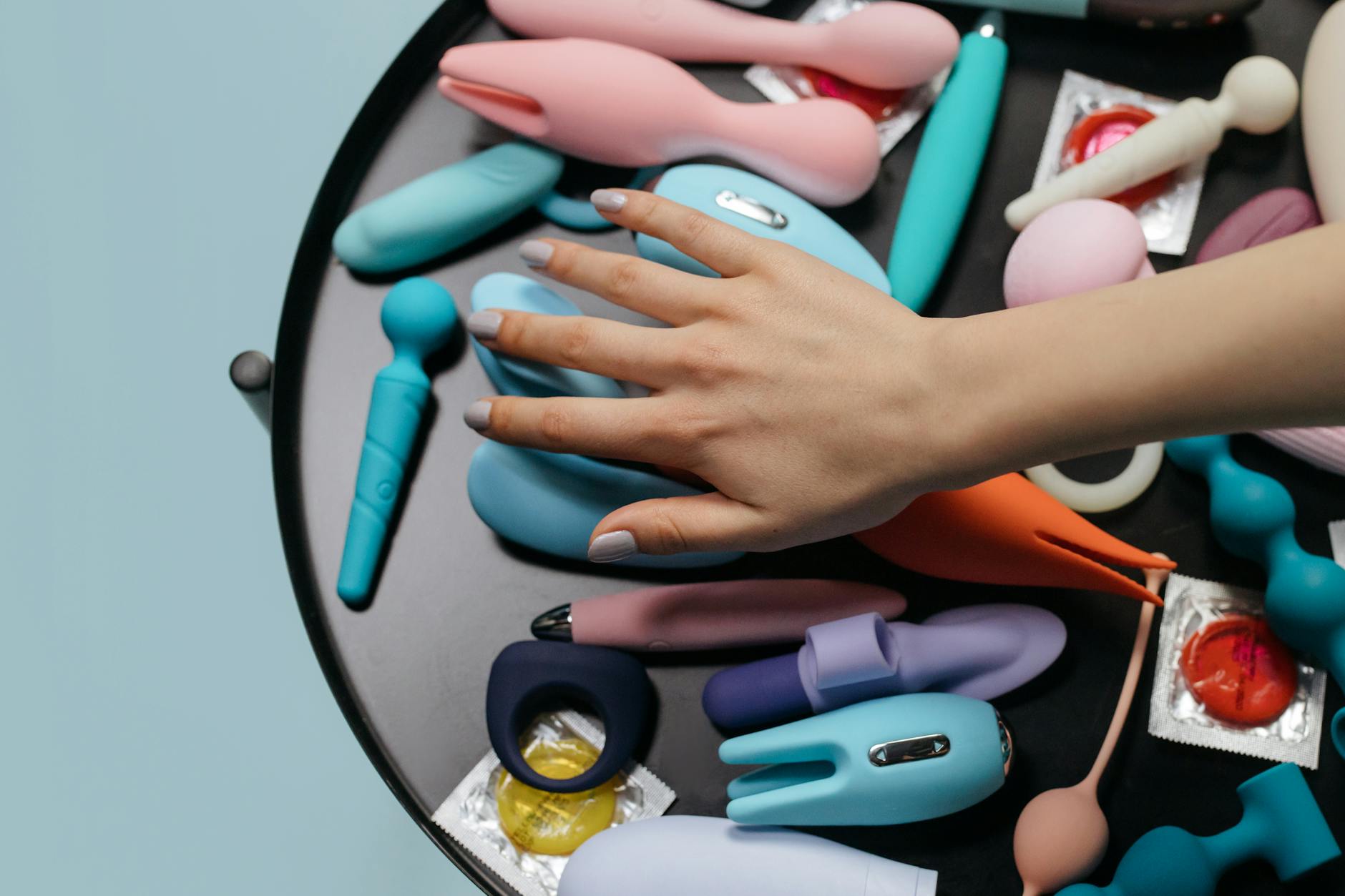
When sex stops, it rarely comes back on its own
Let's be real. You've been together for years. Physical intimacy has slowly become background noise. Not because you don't care about each other. Not because attraction died. But because the rhythms of shared life, stress, and predictability have worn the spark down to something you both pretend is still there.
Then someone suggests "we should reconnect" and both of you freeze.
This is the stalling point. You want it. They want it. But wanting it isn't the same as knowing how to restart. And trying the old playbook rarely works because the same patterns that got you here are still running.
Lemon vibrators aren't magic. But they solve a problem that relationship reboots usually overlook: they make restarting feel less loaded.
The problem with restarting after years of flatline
Here's the pattern I see constantly in my practice. A couple decides to "work on intimacy." They clear time. Maybe they try candles, or plan a weekend. And then immediately, one or both of you feel the weight of expectation.
Will it work? Will I feel anything? Is this going to be awkward? The pressure kills the very thing you're trying to create.
Meanwhile, bodies that have been inactive for months or years need time to remember how to respond. Arousal takes longer. Sensitivity changes. What used to work doesn't land the same way. Add the mental load of "this matters" and your nervous system shuts down the exact response you're trying to activate.
This is where most couples get stuck. The intention is good. The execution fails because nobody addresses the biological reality of dormant desire.
Why lemon clitoral vibrators change the math
Lemon vibrators, specifically air-suction models, work differently than friction-based toys. They don't require you to build arousal on your own first. They create the sensation of arousal, which your nervous system then responds to.
Think of it this way. If you're trying to restart your body from a standstill, waiting for the spark to appear naturally can feel like waiting for a car to start in winter. A lemon vibrator is the jump-start.
The suction sensation bypasses a lot of the mental resistance that happens when you're nervous about restarting. Your body feels something direct and specific. Your brain gets quieter. And for the first time in months, you're actually present instead of in your head worrying whether this will work.
Many couples tell me the same thing. Using a lemon adult toy together, or alone as foreplay before partnered sex, made the restart feel less like a performance and more like exploration.
The consent reset that matters
Here's something that doesn't get discussed enough. When you bring a device into a stalled relationship, you're essentially saying: "This isn't about pressure. This is about us both feeling something again."
It reframes the whole conversation. Instead of "we need to have more sex," it becomes "let's experiment with what feels good right now." One lands like an obligation. The other feels like permission.
I recommend being direct about this. "I want us to reconnect physically. I'm not sure what that looks like yet, and I don't want either of us to feel pressured. Can we explore what actually feels good instead of what's supposed to feel good?"
Then use time apart first. One or both of you use a lemon sucker alone, or a lemon sexual toy just for discovery. You're not doing it for your partner yet. You're doing it to remember what your body likes. To build confidence. To separate pleasure from performance.
What changes when you restart together
Once you've both spent time reconnecting with your own sensation, partnered sex feels different. You're not starting from zero. Your nervous systems aren't as activated. And you both know that the goal isn't orgasm or performance. The goal is to feel present together.
This is where lemon vibrators shine in partnered contexts too. They're collaborative. One person can hold the device while the other guides the pressure and speed. It becomes foreplay, not a replacement for connection. And because it requires communication ("a bit higher", "slower", "more direct"), you're naturally rebuilding the talking part of intimacy alongside the physical part.
The suction sensation also feels less invasive than traditional penetrative sex when you're restarting. Many people describe it as easier to relax into. Your pelvic floor doesn't tense up the same way. Your mind doesn't race as much.
Rebuilding without the guilt
Here's what I tell couples who are embarrassed about needing outside tools to restart. Your body isn't broken. It's just been asleep. You wouldn't expect your legs to run a 5K after sitting still for a year. Why expect your arousal to work the same way after months of inactivity?
Using a lemon vibrator isn't a sign that something's wrong with your relationship. It's actually a sign that you care enough to problem-solve instead of suffer in silence.
The couples I work with who incorporate devices into their restart are significantly more likely to actually restart. Not because the device is magical. But because it removes the shame and the stuck feeling that kills most attempts.
The timeline is real
Don't expect this to happen overnight. Rebuilding physical intimacy after years of flatline takes weeks or months, not days. Some couples need a month of solo exploration before even trying partnered sex. Others reconnect faster. There's no script here.
But having a tool like a lemon clitoral vibrator means you're not sitting in frustration waiting for your body to remember how to respond. You're actively creating the conditions for response. And that matters psychologically. It keeps hope alive.
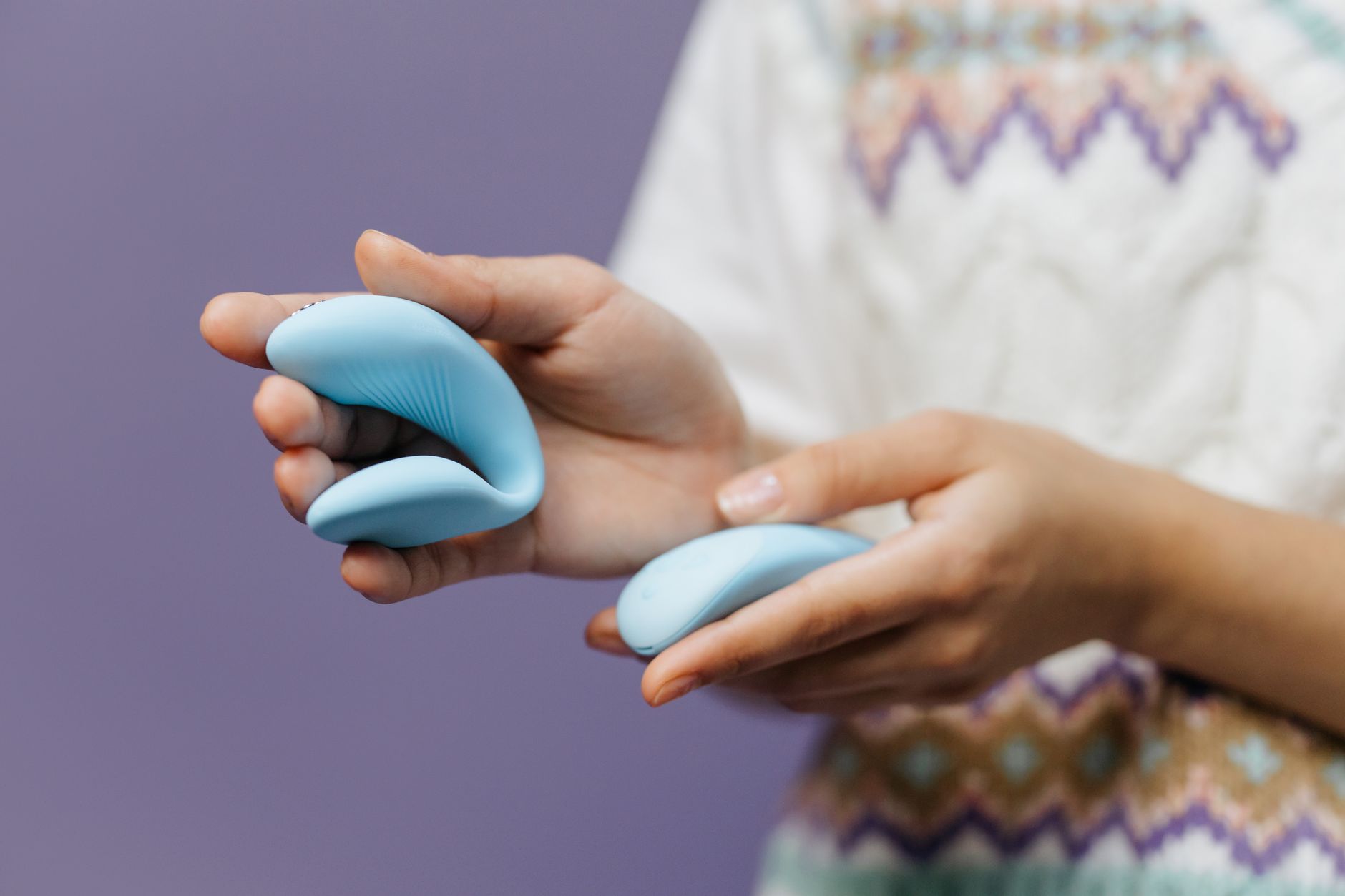
Photo by cottonbro studio on Pexels
The conversation you need to have first
Before you buy anything, you need to actually talk about this. Not in the heat of a moment. Not when someone's feeling rejected or guilty. Just a real conversation.
"I miss being close to you. And I know we've both felt stuck. I've been reading about how couples restart intimacy after things flatline, and I found some things that might help. Would you be open to exploring that together?"
Then listen. If they say no, that's information you need to hear. There might be other things blocking physical connection. Resentment. Stress. Mental health stuff. A device won't fix those.
But if they say yes, or even "I think so," you've just opened a door that most long-term couples struggle to find.
Using lemon sexual toys as part of that restart isn't a failure of your relationship. It's you both choosing to show up.
When to bring in more support
If you've been sexually inactive for more than a year, or if there's significant pain or disconnect, talking to a sex-positive therapist before diving in is worth considering. That's not weakness. That's wisdom.
Similarly, if the flatline is connected to deeper relationship issues like unresolved conflict or infidelity, a device won't fix that. You'd need to address the relationship first.
But if the issue is simply that life got busy, attraction is still there, and you both want to reconnect, lemon vibrators are a practical, low-pressure way to restart. Combined with intentional conversation and permission to explore without performance pressure, they work.
People also ask
Can using a lemon vibrator alone help rebuild intimacy if my partner isn't interested?
Yes, up to a point. Reconnecting with your own pleasure is always valuable. It rebuilds confidence and helps you remember what your body likes. But if the relationship issue is that physical connection matters to you and your partner keeps avoiding it, the device is a tool, not a solution to the avoidance itself. You'd still need that conversation.
How long does it usually take to feel reconnected after months of flatline?
It varies widely. Some couples reconnect physically within weeks once they remove pressure and expectations. Others need two to three months of consistent exploration. The timeline depends on how long the flatline lasted, what caused it, and whether you're addressing the underlying relationship stuff too. There's no normal. You're rebuilding trust in your own bodies.
Is it weird to use a lemon clitoral vibrator together as a couple if we haven't been intimate in over a year?
Not weird. Common. And actually easier for many people than jumping straight back into partnered sex because there's less penetration involved, more space for communication, and less performance pressure. The unfamiliarity with the device itself can actually help because you're both learning together.
What if we try restarting and it feels even more awkward?
That happens. Awkwardness is normal when you're trying something new after a long gap. The goal isn't perfection. It's presence. If it feels genuinely bad, give it one more try, then pause and have a conversation about what's making it awkward. Sometimes the issue is the device. Sometimes it's deeper stuff that needs attention first.
How do I bring up using a lemon vibrator with my partner if we've never talked about toys before?
Start with honesty about why you want to reconnect, not the device. "I miss being close to you. I've been thinking about how we can restart without pressure. I found some helpful things online about this." Then mention the tool as one option, not the only option. Let them respond. Some partners will be curious immediately. Others need time. Both are okay.
Can lemon vibrators actually help if my partner and I have underlying relationship conflict?
No. They're a tool for restart, not a fix for broken communication or unresolved hurt. If you're angry at each other, resentful, or avoiding difficult conversations, a device won't bridge that. You'd need to work on the relationship foundation first. But if you're in a solid relationship that's just gone dormant, they help tremendously.
The restart is possible
Long-term couples go dormant. That's not failure. That's friction. And friction is solvable.
Lemon vibrators aren't the answer to every intimacy challenge. But when you're trying to restart after months or years of flatline, when pressure and expectation have killed arousal, when you both want it but don't know how to begin, they work. They're practical, they reduce shame, and they shift the conversation from performance to exploration.
If you and your partner are stuck, reconnecting is possible. It takes intention. It takes honesty. And sometimes, it takes permission to try something different.
Ready to have that conversation with your partner? Start with honesty about what you're missing, not with the tool. The tool comes after you've both said yes to trying.
If you're navigating relationship challenges around physical intimacy and want support beyond the basics, reach out to us. We're here to help.
References & Sources
Gottman, J. M. (1994). Why marriages succeed or fail: And how you can make yours last. Simon and Schuster.
Perel, E. (2006). Mating in captivity: Reconciling the erotic and the domestic. HarperCollins.
Barbach, L. G. (2000). For yourself: The fulfillment of female sexuality. Signet.
Tannen, D. (1990). You just don't understand: Women and men in conversation. William Morrow.