Let's talk about what vaginal atrophy actually changes
Vaginal atrophy (also called genitourinary syndrome of menopause or atrophic vaginitis) is real, it's common, and it absolutely does not mean your pleasure days are over. What it does mean is that the tissue lining your vagina and vulva becomes thinner, drier, and sometimes more sensitive or numb. That change affects how your body responds to touch. But here's the thing nobody explains clearly: atrophy primarily changes the vaginal tissue. Your clitoris, the epicenter of pleasure for most people, is much less affected. Understanding that distinction changes everything.
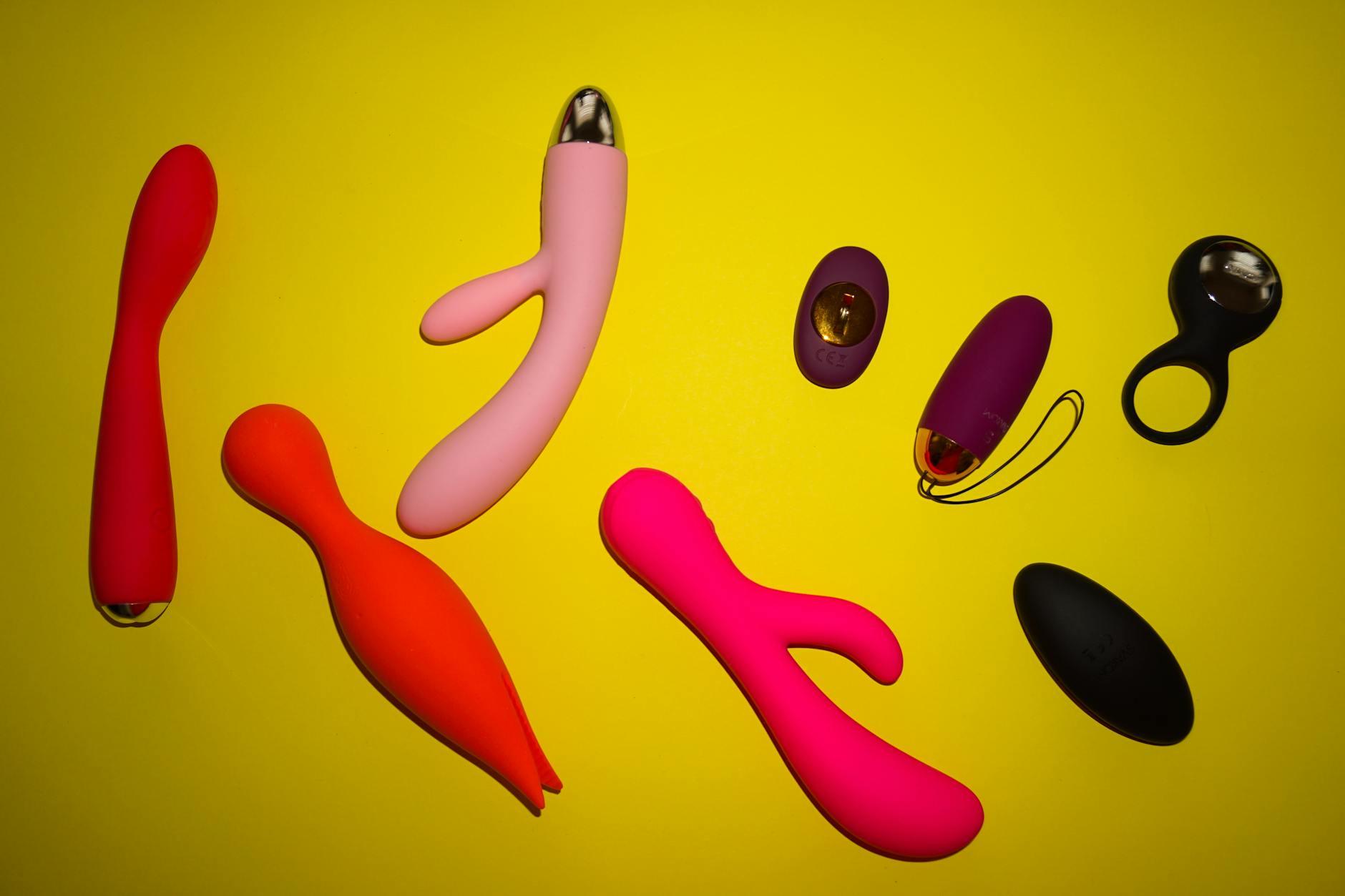
When tissue thins and loses elasticity, direct friction stimulation can feel raw, burning, or uncomfortable. That's why a lot of people with atrophy assume they can't use vibrators anymore. They can. They just need a different tool. A lemon clitoral vibrator, with its gentle suction mechanism instead of vibration or friction, is often the most comfortable, most effective option for someone navigating this transition.
Why suction works better than friction when tissue is fragile
Traditional clitoral vibrators work through direct vibration or fluttering patterns. On delicate, thin tissue, that consistent micro-friction can trigger pain or rawness, especially if lubrication is already compromised. Suction, by contrast, creates a seal and uses gentle negative pressure to stimulate nerves. This approach:
- Requires no direct friction against thin tissue
- Works with minimal lubrication (though you'll still want some)
- Distributes stimulation over a broader area, reducing localized pressure
- Often feels less intense, so you control the experience better
A lemon suction vibrator like the Lem is designed specifically for this kind of gentle, nerve-focused stimulation. Many people recovering from atrophy find that suction patterns feel more pleasurable than vibration because it bypasses the friction problem entirely. You get strong sensation without the discomfort.
The three-step approach to rebuilding comfort and sensation
Step 1: Medical foundation first. Before you explore pleasure again, talk to your gynecologist about vaginal atrophy treatment. This isn't optional. Vaginal estrogen creams, systemic hormone therapy, or ospemifene (an oral medication) can restore tissue health in weeks to months. Don't skip this step thinking a vibrator will compensate. Treatment and pleasure tools work together, not separately.
Step 2: Lubrication is non-negotiable. Even after hormone treatment, your natural lubrication may take time to fully return. Water-based lubricant should be your baseline. Hyaluronic acid lubricants are excellent for atrophy because they mimic your body's natural moisture and don't degrade silicone toys. Silicone lube feels richer but can damage the Lem's silicone. Stick with water-based every time.
Step 3: Start with sensation mapping, not orgasm. Your first sessions aren't about reaching climax. They're about reintroducing your clitoris to stimulation without pain. Hold the lemon suction vibrator on the lowest pattern against the external clitoral area (not the sensitive glans itself at first) for 10-20 seconds at a time. Pause. Notice what you feel. Are there numb zones? Sensitive spots? Does pattern 2 feel gentler than pattern 1? This exploration teaches your nervous system that touch is safe again.
Rebuilding arousal when tissue recovery is slow
Atrophy often depletes natural arousal chemicals alongside hormones. You might notice that your body takes longer to respond, or that mental arousal doesn't translate into physical response. That's normal during recovery and completely reversible.
To rebuild arousal, focus on context, not just mechanics. Longer warm-up time, partnered attention, or fantasy engagement all prime your nervous system before you introduce the lemon clitoral vibrator. Some people find that 20-30 minutes of foreplay or solo mental stimulation shifts their baseline sensitivity and makes suction sensation feel richer.
If you're partnered, explicit conversation about atrophy helps. Your partner doesn't need to feel responsible for the tissue changes or guilty about the recovery timeline. Reframe it as a project you're collaborating on. "I need more warm-up time and we're exploring what feels good as my tissue heals." That shift from "something's wrong with me" to "we're learning together" often restores desire and connection faster than any device.
When to expect sensation and when to be patient
Tissue regeneration takes time. If you've started vaginal estrogen cream, you might notice improvement in 2-3 weeks, though full restoration of elasticity can take 3-6 months. During that window, your sensitivity with the lemon vibrator will likely improve in phases.
Week 1-2: You might feel mostly numbness or a vague sense of pressure. That's okay. You're reintroducing your nervous system to input.
Week 3-4: Sensation often starts clarifying. You begin noticing subtle differences between patterns. Pleasure doesn't feel painful.
Month 2-3: Orgasm often becomes possible again, though it may feel different than before. Some people report that orgasms feel more localized or take longer to build. Both are normal.
If you're three months into treatment and sensation hasn't returned, loop back to your gynecologist. Some people need higher-dose estrogen, different hormone timing, or additional support.
The pleasure conversation nobody has
Atrophy arrives wrapped in shame for a lot of people. The body "isn't working." Sex becomes something you endure instead of enjoy. That story runs deep and doesn't evaporate when hormone cream does. This is where the psychological piece becomes essential.
Your clitoris doesn't need to earn back the right to pleasure. You always have that right. Atrophy is a tissue condition, not a moral statement about your body or your sexuality. Using a tool like a lemon suction vibrator isn't a workaround or a compromise. It's smart self-advocacy. You're choosing an approach that works with your current physiology, not against it.
If you've lost confidence in your body during this transition, reconnecting with pleasure (alone first, then with a partner if you're partnered) is part of healing. The lemon vibrator becomes permission. Permission to feel good. Permission to prioritize your sensation. Permission to say "my pleasure matters, and I'm going to tend to it."
Partnered exploration during recovery
If you have a partner, their involvement can ease the emotional weight of atrophy recovery. Many couples find that conscious, communicative exploration strengthens intimacy during this phase.
Start by owning the framing. You're not broken; you're exploring. You're not waiting for sex to "work again"; you're discovering what works now. Bring your lemon vibrator into partnered play by having your partner hold it while you guide the intensity and placement. This shared focus often reduces performance pressure and helps you stay present in sensation.
Some couples use this as an opportunity to expand their repertoire. Longer foreplay, different positions, manual stimulation alongside the lemon clitoral vibrator. The recovery window becomes a chance to slow down and connect, rather than a problem to solve and move past.
FAQ
Can I use a lemon suction vibrator if I'm still in early atrophy and haven't started hormone treatment yet?
Yes, but with caution. If your tissue is very thin or raw, suction might feel uncomfortable until treatment begins. Start with the lowest intensity and let the vibrator do the work without pressing hard. Your goal isn't orgasm right now; it's assessing what feels safe. If suction triggers pain or burning, pause and wait until hormone treatment has begun. Once tissue starts healing (usually 2-3 weeks into topical estrogen), sensation often improves dramatically.
Will using a lemon vibrator slow down my tissue recovery?
No. Gentle, consistent stimulation can actually support tissue health by increasing blood flow to the area. The key word is gentle. Rough use or suction on raw tissue can cause micro-tears, so keep intensity low and duration short during early recovery. Think of it as rehabilitation, not intensity training.
How is atrophic vaginitis different from just being naturally dry?
Natural dryness is usually temporary (stress, medications, low arousal) and resolves with relaxation, lubrication, or addressing the underlying cause. Atrophy is a structural tissue change caused by hormonal shifts, typically during menopause or after certain medical treatments. It persists without intervention and usually requires topical or systemic hormone therapy. Your gynecologist can diagnose the difference through examination.
Can I have an orgasm with a lemon vibrator while I'm recovering from atrophy?
Many people can, especially once hormone treatment has begun and tissue starts healing. Some find orgasms feel delayed, quieter, or more concentrated than before. Others report that their most intense orgasms come post-recovery because they've learned exactly what feels good. Orgasm isn't the goal during recovery; it's a side effect of reconnecting safely with sensation.
Should I use a lemon vibrator daily during atrophy recovery?
Not necessarily. Start with 2-3 times per week for 5-15 minutes per session. This frequency keeps your nervous system engaged without overloading healing tissue. As recovery progresses and sensation becomes more comfortable, you can adjust to whatever frequency feels good to you. Listen to your body, not a schedule.
What if my partner is uncomfortable with lemon vibrators during my atrophy recovery?
This is common and worth addressing directly. Some partners feel insecure or worried they're not "enough." The conversation matters more than the vibrator. Frame it as a tool that helps you heal and reconnect with your own pleasure, which ultimately supports the partnership. Many couples find that once a partner sees how much relief and joy a lemon suction vibrator brings, their hesitation dissolves. If resistance persists, a couples therapist can help you both work through the underlying feelings.
You get to feel good again
Atrophy is temporary. Your pleasure is permanent. The tissue changes are real, the recovery timeline is real, but so is your capacity to feel sensation and experience orgasm again. A lemon vibrator isn't a patch on a broken system. It's a tool designed to match your body where it is right now, while you rebuild health underneath. Use it, trust your body's process, and know that the pleasure you're rebuilding is worth the patience.