
Let's start here: you're not the problem
You bought a lemon vibrator. You've tried it multiple times. And orgasm just isn't happening. Maybe you get close. Maybe you feel nothing at all. Maybe the sensation is there but your brain won't cooperate. Here's what I know after years of working with couples and individuals on this exact issue: the vibrator isn't failing, and neither are you. Something in the setup, expectation, or approach just needs adjusting.
The good news is that these problems are almost always solvable. Most people who struggle with lemon clitoral vibrators struggle for one of five predictable reasons, and each one has a concrete fix.
The five reasons you're not reaching orgasm
1. You're approaching too hard
One of the biggest mistakes I see is people thinking "If it feels good, more intensity will feel better." With a lemon sucker like the Lem, that's backwards. Suction-based clitoral vibrators work differently than traditional vibrators because they create a seal around the tissue, not direct pressure. Press too hard and you actually cut off the sensation.
Think of it like this: if you're holding a suction toy and pushing it hard into yourself, you're fighting against its core mechanism. The pleasure lives in the seal, not in the pressure.
The fix: Hold it with a light hand. Let the suction do the work. If you feel nothing, the issue isn't intensity. It's usually seal or positioning.
2. Your seal is breaking
This one's mechanical but worth understanding. A lemon vibrator needs consistent contact with the clitoral area to create and maintain suction. If you're moving around, if your body's position shifts, or if you're tense, the seal breaks. No seal means no stimulation.
I've watched people give up on lemon vibrators entirely because they kept losing the connection. They assumed the toy didn't work for them. It almost always wasn't the toy.
The fix: Find a position where you can stay completely still for 30 seconds. Lie on your back, prop a pillow under your hips, and keep your legs relaxed and open. Bring the vibrator in at a slightly downward angle so the edge makes contact with your entire clitoral area. Once you feel the suction pull gently, stop moving. Let it work.
3. You're not warmed up enough
Here's something almost nobody tells you: a lemon vibrator works better when you've already started getting aroused on your own. Your clitoris needs blood flow and sensitivity first. If you pick up the vibrator cold, you're asking it to do all the heavy lifting.
With traditional vibrators, you can kind of fake it through. The constant motion creates stimulation even before you're fully into it. With suction toys, arousal is the foundation.
The fix: Spend 5-10 minutes on foreplay or hand stimulation first. You don't need to be fully aroused, but you need to be started. Then introduce the lemon vibrator. You'll notice a massive difference.
4. You're holding tension in your pelvic floor
This is the sneaky one because you won't consciously feel it happening. When we're stressed, trying too hard, or focused on "does this work yet," we unconsciously clench our pelvic floor. That tension blocks sensation and makes orgasm harder to reach.
I see this constantly with people who are outcome-focused. They're holding their breath, they're bracing, they're waiting for the buzz to do something. And their body's just locked up.
The fix: Before you use any lemon clitoral vibrator, take three long breaths. In for a count of four, out for a count of six. On the exhale, consciously relax your pelvic floor. You can do a quick pulse: squeeze your pelvic floor for one second, then release fully for three. Do that three times. Then start.
5. Your expectations don't match your neurology
Some bodies respond instantly to lemon vibrators. Others need a 10-minute ramp up. Some people's nervous systems are wired to respond to rhythm more than sensation. Some need psychological engagement (fantasy, partner presence, a specific scenario) before physical stimulation registers as pleasure.
None of these are wrong. They're just different. And if you're fighting your own neurology, you'll struggle.
The fix: Spend one session not focusing on reaching orgasm. Just focus on sensation. How does each pattern feel? Is there one that creates a warm response, even without pushing toward climax? Pay attention to that. Your body's trying to tell you something.
Step-by-step troubleshooting guide
Session 1: Foreplay for 5-10 minutes. Position yourself on your back, hips elevated. Make sure your pelvic floor is relaxed. Power on your lemon vibrator at pattern 1 or 2 (lowest settings). Apply it gently, finding the exact angle that creates a light seal. Hold still for 60 seconds. Pay attention to sensation. Don't push toward orgasm. Just notice.
Session 2: If you felt something in Session 1, repeat with the same setup. This time, spend 90 seconds on that same pattern. Your body learns suction through repetition.
Session 3: If sensation is there, try moving to pattern 3 or 4. If Session 1 felt like nothing, check your seal position. Is the vibrator fully making contact with your clitoral area? Is there any air leak? Adjust and try again at pattern 1.
Session 4+: Once you're feeling consistent sensation, extend your time. Most people find their arousal builds between 5-15 minutes. Keep the pressure light. Keep your pelvic floor relaxed. Let your mind wander if it wants to.
This isn't a race. Every person's timeline is different, and that's completely normal.
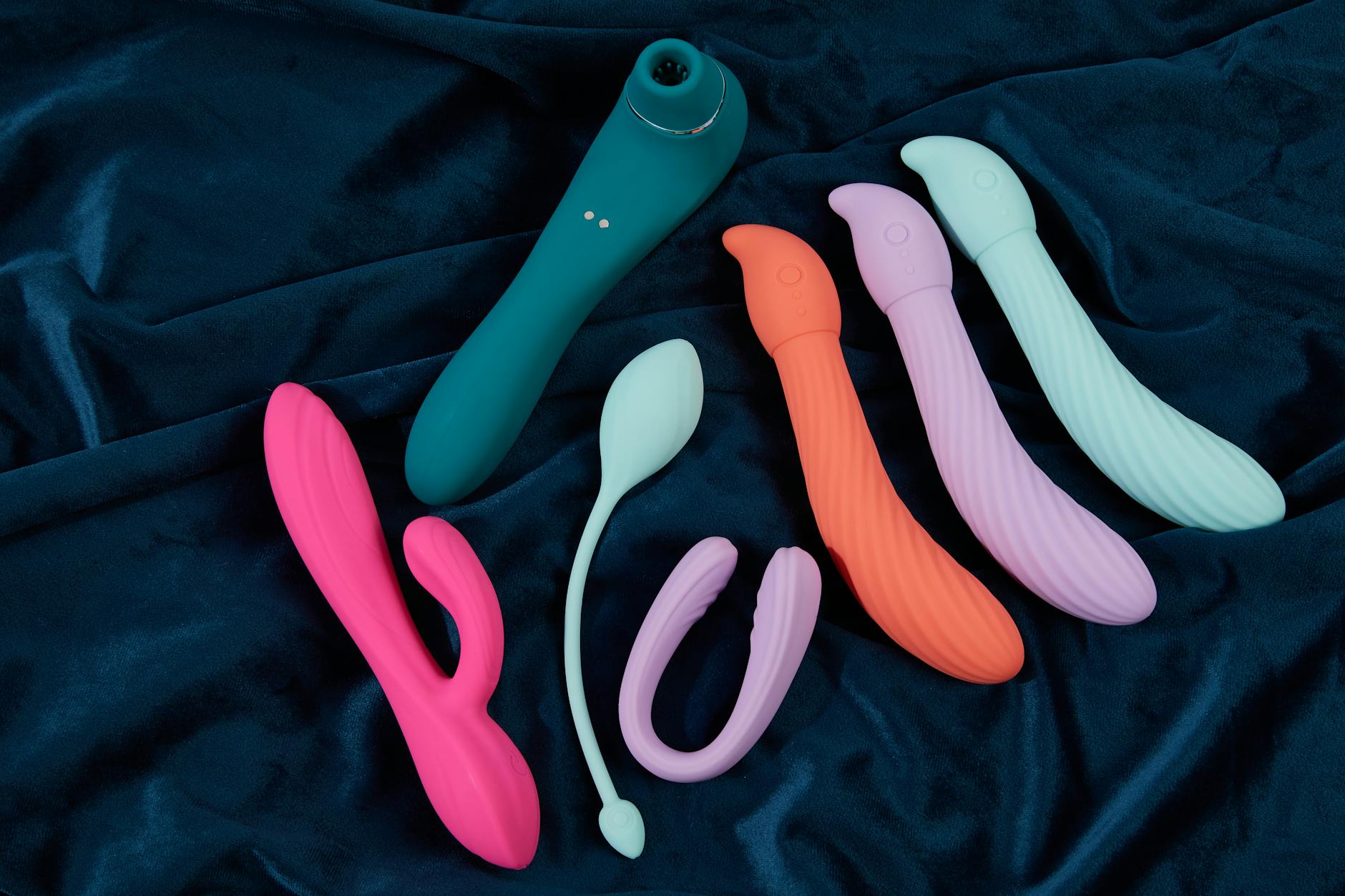
Photo by IFONNX Toys on Pexels
What's different about suction versus traditional vibrators
Lemon vibrators, including Hello Nancy's Lem design, use suction and gentle pulsing rather than rapid vibration. This approach works brilliantly for some neurologies and requires a completely different technique than what you'd use with a traditional clitoral vibrator.
If you've used standard vibrators before and struggled with them, that's valuable information. Some people's tissues are too sensitive for constant vibration. Some people's pleasure centers respond better to rhythm-based suction. Some people find traditional vibrators exhausting after a certain point and prefer the sustained, gentler sensation a lemon sucker creates.
You might find that lemon vibrators actually work better for your body once you dial in the technique. Or you might find that a combination approach works: traditional vibrator for the first part, then switching to a lemon clitoral vibrator for the final phase. There's no universal "right" tool. There's only what works for your specific body and nervous system.
When to try a different approach
If you've done four solid sessions with good seal, proper positioning, and relaxation, and you're still feeling nothing, it might be worth checking a few other things.
First: are you on any medications that affect sensation or arousal? Some SSRIs, antihistamines, and blood pressure medications can genuinely reduce clitoral sensitivity. That's not a reason to stop taking them, but it's worth discussing with your doctor.
Second: is there stress, relationship conflict, or emotional weight you're carrying? Pleasure doesn't live in a vacuum. If your nervous system is in threat mode, even the best lemon vibrator won't override that.
Third: have you tried this with a partner present? Sometimes having someone else manage the tool while you focus on sensation changes everything. That's a different kind of intimacy and a different kind of engagement.
And finally: are you comparing your response to someone else's? If your friend comes in 30 seconds with a lemon sucker and you need 15 minutes, that's not a problem. That's just anatomy. Comparison will wreck pleasure every single time.
The mindset shift that actually matters
Here's what I tell clients: pleasure is a skill, not a switch. You're not trying to "turn on" an orgasm. You're learning to listen to your body, adjust technique based on feedback, and give your nervous system permission to respond. That takes time and patience and a willingness to iterate.
If you've been struggling with reaching orgasm, using a lemon vibrator is an opportunity to get really curious about how you work. What angle of contact feels good? What intensity? What tempo? What's your arousal timeline? Do you need mental engagement or can you go fully internal? These aren't questions the vibrator can answer. Only you can.
That knowledge is worth more than any single orgasm. It's the foundation for a lifetime of better pleasure.
Frequently asked questions
How long should I wait before giving up on a lemon vibrator?
Give it at least four to six sessions with proper technique before deciding it's not for you. That's enough time for your body to learn the sensation and for you to troubleshoot positioning and pressure. If after six sessions you're still feeling nothing and you've ruled out seal and arousal issues, it's fair to say lemon vibrators might not be your match. But most people find success much sooner.
Should I use lube with a lemon vibrator?
Yes, but only a little. Too much lube makes it hard to maintain a seal. A small amount of water-based lubricant around your clitoral area helps the vibrator glide and can make the seal more comfortable. Silicone-based lubes are a no with silicone toys, so stick to water-based.
Can I use a lemon sucker if I have a really sensitive clitoris?
Absolutely. In fact, many people with sensitive tissue find lemon vibrators gentler than traditional vibrators because the suction is sustained rather than constant friction. Start at the lowest pattern and use light pressure. You might find this approach is actually more comfortable for you than other toys.
Is it normal to need a long warm-up time with a lemon clitoral vibrator?
Completely normal. Some bodies respond instantly to any stimulation. Others need 10 to 20 minutes of building arousal before their nervous system kicks in. Neither is better or worse. You're just learning your own timeline, and that knowledge helps with partnered sex too.
What if I reach orgasm with a lemon vibrator but it feels different than before?
That's not a bad sign. Different tools create different sensations, and orgasms can vary widely depending on the stimulus, your mindset, and your arousal state. A lemon sucker-induced orgasm might feel more localized, more rhythmic, or more full-body than what you're used to. All of that is fine. Variety in sensation is actually healthy.
If my partner wants to use the lemon vibrator with me but I'm still figuring it out, should I say no?
No. In fact, having a partner involved can actually help with troubleshooting. They can apply gentle pressure while you focus on relaxation and sensation. They can adjust the angle based on your feedback. And if you're struggling with pelvic floor tension or performance anxiety, partner involvement sometimes melts that right away. Just communicate clearly about what you're experimenting with and what you need.
The real pattern here
The most common thread I see in people who struggle with lemon vibrators initially is that they're either pushing too hard or overthinking too much. Both are understandable. You want the tool to work. You want to feel something. And that urgency actually gets in the way.
The breakthrough usually happens when someone slows down, lightens their touch, and gets curious instead of outcome-focused. That's not just true for lemon vibrators. That's true for pleasure in general.
If you're still stuck, reach out. Hello Nancy has a team that knows these tools inside and out, and sometimes a quick conversation clarifies what positioning or technique tweak will unlock things for you. You're not alone in this, and it's absolutely fixable.