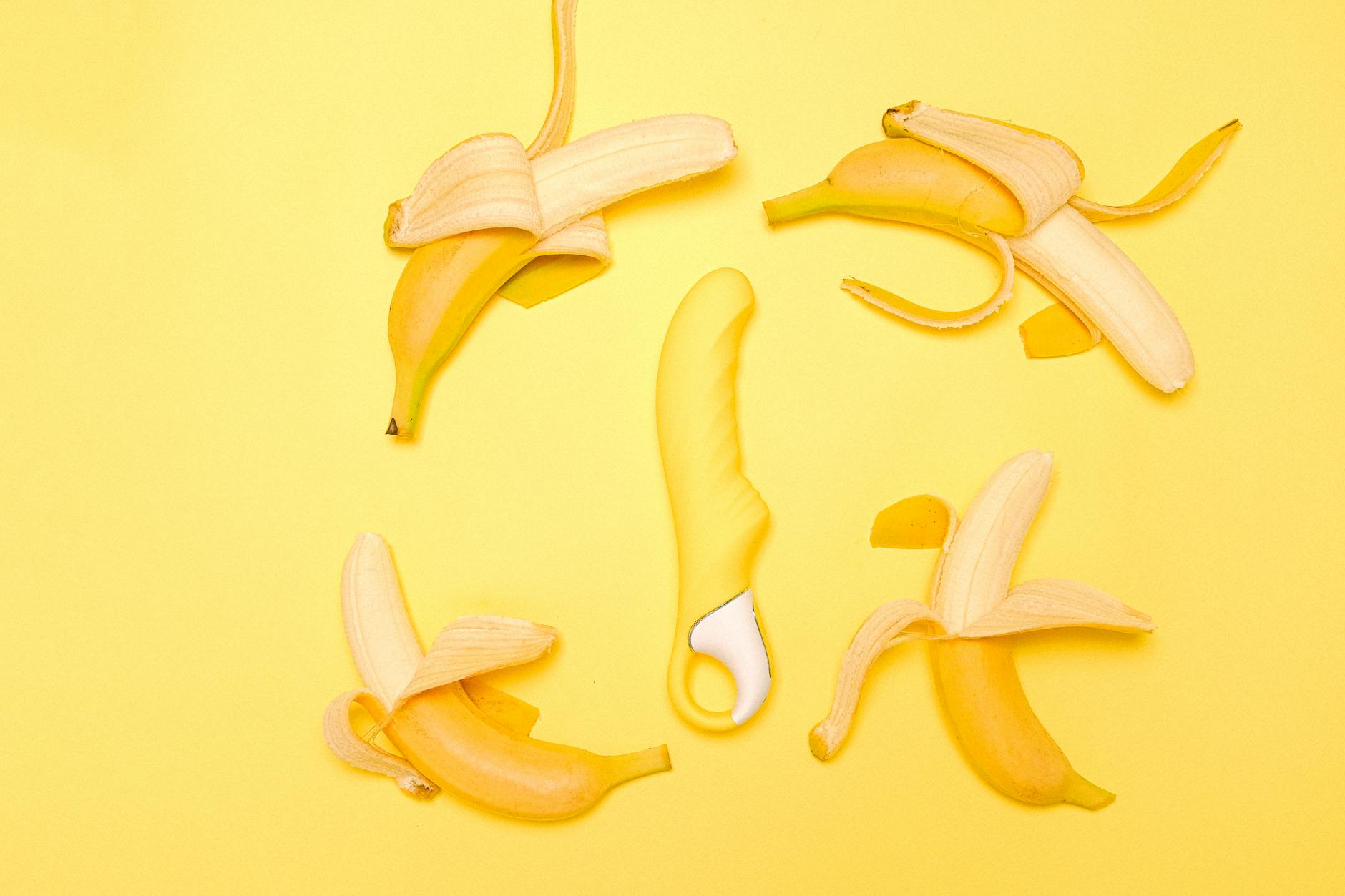
Here's the thing about lemon vibrators and intensity
You unbox your new lemon clitoral vibrator, turn it on, and immediately think: that's way too strong. Your first instinct is to blame yourself. Maybe you're too sensitive. Maybe vibrators aren't for you. Maybe something's wrong.
None of that is true.
The honest part? Lemon vibrators, including the popular Lemon sucker-style designs, work through suction and pulsation in ways that feel completely different from traditional vibrators. And because they're more targeted, they can absolutely feel overwhelming if you're not approaching them right. But overwhelming doesn't mean wrong. It means you need to adjust your technique.
Why lemon vibrators feel more intense than you expect
A standard clitoral vibrator sends vibration across a wider surface area. You've probably got more control over the sensation because it's distributed. A lemon vibrator concentrates stimulation in a smaller zone, which creates a more direct, focused sensation.
That's the whole point. But it's also why intensity perception jumps. You're not imagining it.
Here's what's actually happening. The suction mechanism in a lemon sexual toy creates a seal that intensifies sensation. When you're fully aroused, this is incredible. When you're not, or when your tissues are sensitive, it can feel like too much too fast. Add in the pulsation patterns, and some people describe the sensation as almost overwhelming until they dial it down.
The second reason? Most people start at the highest setting. This is a normal instinct. It's also completely backwards with lemon adult toys.
Start lower than you think you should
If your lemon vibrator has intensity levels (and most do), begin at pattern one or the lowest pulse setting. Not level three. Not "medium."
Level one.
I know this sounds like underkill. It's not. The goal of that first session isn't to reach climax. It's to let your body understand what the sensation is. Once you've spent five or ten minutes at the lowest setting, your arousal will build naturally, and moving up becomes both easier and more pleasurable.
Most of my clients who struggled with intensity did exactly this: started low, let arousal build, then gradually worked up to settings three or four. By session two or three, they were comfortable at higher intensities because their nervous system had already mapped the territory.
Angle and positioning matter more than you realize
How you hold the lemon clitoral vibrator changes everything. Direct contact isn't always better. Try angling it slightly, so the suction creates contact without a full seal at first. Let the sensation build gradually before you increase pressure.
Many people also position too high or too low on the clitoral hood. The most sensitive spot for you might not be the most obvious spot. Spend a few minutes exploring what feels best at low intensity before cranking anything up.
If you're lying down, propped up on pillows gives you more control than lying flat. You can adjust angle and pressure more easily. If you're sitting, similar principle. Comfort in positioning = better control over intensity.
Arousal is the cheat code
This cannot be overstated. A lemon vibrator that feels overwhelming when you're barely aroused feels completely manageable once you've spent fifteen or twenty minutes getting warmed up.
Take time before you use it. Read something that turns you on. Touch yourself. Let your body respond naturally. Then introduce the vibrator. The difference is honestly shocking.
When you're fully aroused, your clitoral tissue swells and becomes less sensitive to direct pressure. Your nervous system is already activated. Your brain is engaged. Introducing a lemon sucker-style vibrator into that state feels exciting, not jarring.
The two-minute rule
Set a timer. Spend two minutes at your lowest setting. Don't aim for anything. Don't watch the clock. Just feel what's happening. After two minutes, you can increase to level two if you want. Or stay at level one. There's no deadline.
The reason this works is psychological and physiological. Your nervous system habituates to new sensations when you give it time. The first minute feels intense. By minute two, your body's already adjusting. By minute four, level one feels gentler. This is normal.
Lube, even though it seems counterintuitive
Lemon vibrators don't require external lubrication the way penetrative toys do. But adding a tiny amount of water-based lubricant to the rim can smooth the sensation and reduce the intensity feeling slightly, especially if you're sensitive or just starting out.
You need maybe a quarter-teaspoon. Not more. Too much breaks the seal and defeats the purpose. But just enough to soften the contact? That can transform the experience from intense to manageable while you're building tolerance.
Session length matters
If you're using your lemon clitoral vibrator for twenty minutes at one go, of course you're going to feel overwhelmed and fatigued. Try five to ten minutes instead. Really focused, intentional time. Then stop. Your tissues will thank you, and you'll actually enjoy it more.
Intensity tolerance builds gradually. You wouldn't run a marathon on day one. Same principle applies here.
When intensity stays a problem
If you've worked through all of this—started at level one, spent time on arousal, adjusted positioning, kept sessions short—and a lemon vibrator still feels too intense, that's useful information. It doesn't mean vibrators aren't for you. It means a lemon-style suction vibrator might not be your first choice.
Traditional clitoral vibrators like a wand spread sensation across a wider surface, which some people find less intense. Exploring different types of clitoral vibrators is completely reasonable. Your preferences are valid. The goal is pleasure, not powering through discomfort.
The plot twist
Here's what almost always happens next: once people adjust their approach, they become passionate advocates for lemon vibrators. The intensity they found overwhelming becomes the thing they love. Because intensity, when it's on your terms and at your pace, transforms into something specific and powerful.
You're not broken. The toy isn't wrong. You just needed the right technique. And honestly, figuring that out is half the fun.
People also ask
Can you damage yourself by using a lemon vibrator on too high a setting?
No. Discomfort is your body's signal, and you'll naturally pull away. Your tissues won't be harmed by intensity itself. That said, prolonged or repeated rough contact can create temporary irritation, which is why shorter sessions at sustainable intensities feel better long-term. Think of it like sun exposure. One afternoon of intense sun isn't dangerous, but building a tan gradually is more comfortable and better for your skin. Same logic.
Why do lemon vibrators feel more intense than my old vibrator?
Because they work differently. Traditional vibrators vibrate across a surface. Lemon-style toys use suction to concentrate sensation in a smaller area. Concentrated stimulation feels stronger even at the same decibel level. It's the difference between a spotlight and a floodlight. Neither is better. They're just different intensities in different ways.
Is it normal for the sensation to feel better after a few sessions?
Completely normal. Your nervous system habituates to new sensations. Something that felt jarring on day one usually feels manageable and enjoyable by session three. This is biological. Your body isn't changing. Your perception and tolerance are.
What if I'm sensitive to all vibrators, not just lemon ones?
Sensitivity to vibration is real. Some people's nervous systems are just wired that way. If that's you, lower intensity settings across the board, longer warm-up time, and potentially exploring non-vibration options (like manual toys or positioning) might serve you better. There's no shame in that. Pleasure doesn't have to come from vibration.
Can I reduce the intensity of a lemon vibrator permanently?
Not really, but you can work with what you have. Some lemon vibrators offer multiple patterns that feel less intense than the standard pulse. Exploring all the available patterns on your device might reveal something that feels better than what you assumed was the "default." Pulsing patterns often feel gentler than continuous stimulation even at the same power level.
How long does it take to adjust to a lemon vibrator?
Most people notice comfort shift within three to five sessions if they're following the guidelines here. Starting low, building arousal, adjusting positioning. By week two, what felt overwhelming usually feels completely manageable and even preferred. Your timeline might be different, and that's fine. There's no deadline.
The takeaway
Intensity overwhelm with a lemon clitoral vibrator isn't a sign you should give up. It's usually just a sign you need to adjust your approach. Start lower, build arousal, keep sessions manageable, and give your body time to adapt. Within a few sessions, you'll likely find the settings and techniques that feel right for you. And then you'll understand why lemon vibrators have become such a staple in the world of clitoral vibrators. Your pleasure deserves that patience.