The weird space between then and now
Honestly, the months after a long-term relationship ends are strange territory. Your body doesn't belong to someone else anymore. That's good. That's also disorienting. Many people I work with find themselves in a kind of sexual limbo. You're not grieving the sex itself. You're grieving the ease of it, the routine, the person-shaped absence in the bed.
And then there's the shame spiral that sometimes follows. You wonder if you're "supposed to" feel sexual right now. You worry that wanting pleasure means you're not sad enough about the ending. You might feel rusty, disconnected, or worried that your body won't respond the way it used to. All of that is completely normal. None of it means something is broken.
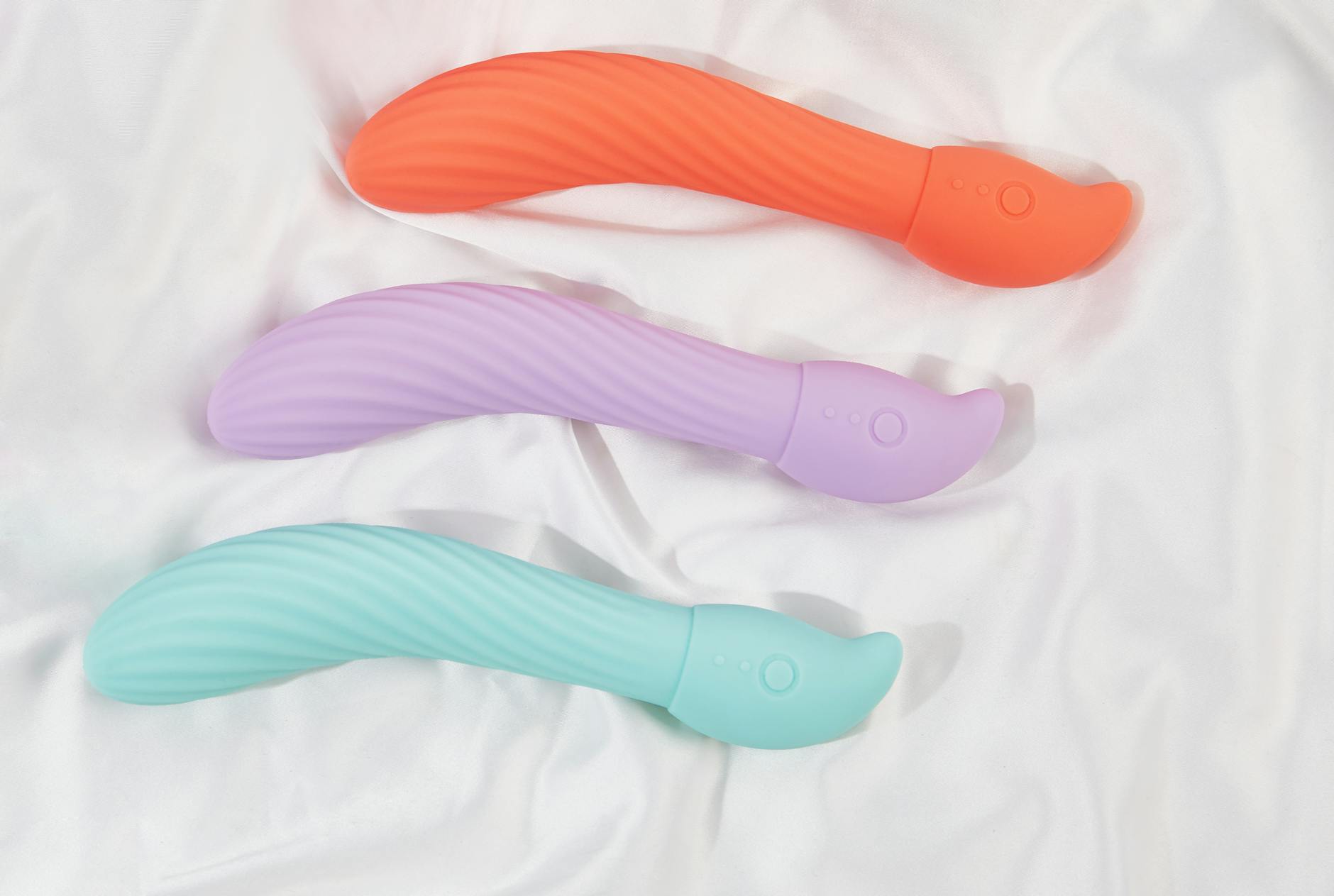
This is where exploring solo pleasure comes in. Not as a replacement for partnership, but as a way to rebuild trust with your own body. And a lemon vibrator, specifically, can be a surprisingly gentle entry point.
Why this moment matters more than you think
In long-term relationships, pleasure often becomes negotiated territory. You learn what your partner likes. You calibrate your own responses around their timeline, their preferences, their presence. Over years, decades sometimes, you can lose track of what actually feels good to you independent of someone else's reactions.
When that relationship ends, you get something back: autonomy. The ability to ask yourself what you want without checking in with someone else's needs first. That's powerful. It's also vulnerable. You might realize you don't actually know the answer to that question anymore.
Exploring a lemon clitoral vibrator solo is one way to answer it. Not because you need an orgasm to feel whole, but because reconnecting with your own pleasure is part of reconnecting with yourself. It's reclaiming territory that felt taken up for years.
Starting from where you actually are
First, check in with yourself honestly. Are you exploring because you want to, or because you feel like you should? The two are wildly different. If the idea feels pressuring, that's information. Set it aside. Come back to it when the impulse is genuine curiosity, not obligation.
If you do want to explore, start small. A lemon sucker vibrator like the Lem is genuinely good for this because it's not intimidating. It's not a dramatic dildo. It's elegant, focused, and it works differently than traditional vibrators. The suction sensation is novel enough to feel fresh, even if you've used vibrators before. But not so alien that it feels like you need to learn an entirely new language.
Set the scene for yourself the way you'd want someone else to. That's not about candles and playlists, unless that genuinely appeals to you. It's about basic comfort. Privacy, time, a space where you're not worried about interruptions. Some people like quiet. Some people like music. Some people read erotica first. You get to decide.
The first time solo
Start with the lowest settings. With a lemon vibrator, that means pattern 1 or 2. Explore what feels good without a goal in mind. This isn't a performance. There's no one watching. There's no endgame you need to reach. That shift in pressure alone can be revelatory if you've been in a long-term partnership for years.
You might notice your body responds differently than it did before. That's not a sign something is wrong. Breakups, grief, stress, and time all shift how pleasure feels physically. If you're not lubricating the way you used to, use a water-based lube. If sensation feels muted, you might need longer warm-up time. If the Lem feels too intense, back off the setting and take breaks.
Many people find that the first few times they explore solo after a relationship ends, their body surprises them. Sometimes in good ways. Sometimes in confusing ways. Both are okay. You're relearning someone you thought you knew completely.
Permission to feel complicated
You might have an orgasm and then feel sad. You might feel relieved, then guilty about that relief. You might feel aroused and then shut down completely. All of that happens. Pleasure and grief coexist. Your nervous system is processing a major loss. Your body carrying conflicting information is not a malfunction.
If you find yourself shutting down regularly, or if pleasure stops feeling good and starts feeling like numbness, that's worth checking in with a therapist about. There's a difference between normal post-breakup complexity and dissociation. One needs time and patience. The other needs professional support. Only you know which one is happening.
Beyond the first time
Once you've explored solo a few times, you might notice what actually turns you on. Not what you thought you should be into. Not what your ex liked. What you like. This is valuable information. Write it down if it helps. Notice which settings on your lemon vibrator feel best. Which patterns. Whether you like sustained suction or pulsing. Whether you want fantasy in your head or sensation-only focus.
You might also notice that some days you want stimulation, and other days you want to feel your body without any device at all. That variance is healthy. A lemon clitoral vibrator is a tool, not a requirement. The goal is reconnection, not dependence.
If you eventually get back to partnered sex, you'll bring this knowledge with you. You'll know what actually feels good in your body, separate from someone else's preferences. That's a gift that long-term partnership sometimes obscures.
The role of pleasure in healing
I tell my clients this: your body is the one constant relationship in your life. It's been with you through everything. After a breakup, rebuilding trust with that body is part of rebuilding yourself. Pleasure isn't frivolous in that context. It's reclamation.
A lemon vibrator, specifically, does this gently. The suction sensation is different enough to feel new, but intuitive enough to be accessible. You don't need instructions or tutorials. You just need permission. And honestly, you've already got that.
Whatever you choose to explore, choose it for yourself. Not because you're "supposed to" be back in the dating scene. Not because you need to prove you're fine. Not because you think that's what healing looks like. Choose exploration because your pleasure matters. Because your body is yours. Because sometimes the most radical act after a relationship ends is remembering how to feel good.
FAQ: Solo pleasure after a breakup
Is it normal to feel guilty about wanting pleasure after a breakup? Completely normal. You might have internalized a narrative that sadness is the appropriate response. Or you might feel like pleasure is betraying the relationship that just ended. Neither is true. Wanting pleasure is a sign your nervous system is beginning to regulate. It's healing, not betrayal.
How long should I wait after a breakup before exploring a lemon vibrator? There's no timeline. Some people want to explore immediately. Others need months. There's no "right" amount of time. The only question is whether the impulse feels authentic or obligatory. If you're exploring because you genuinely want to, that's the right time.
Will using a lemon clitoral vibrator solo change my ability to have partnered sex later? No. Solo exploration and partnered sex are entirely different neurologically. Knowing what feels good in your body actually makes partnered sex better, because you can communicate your preferences clearly. A lemon sucker vibrator teaches you about your own pleasure. That knowledge doesn't disappear when another person is present.
What if I can't orgasm after my breakup? Stress, grief, and nervous system dysregulation can absolutely suppress orgasm. That's not a sign you're broken. It's a sign your body is processing something major. If you're exploring and it's not happening, back off the goal-oriented approach. Focus on sensation and pleasure without orgasm as the finish line. Often, the orgasm returns naturally once the pressure lifts.
Should I tell my therapist I'm exploring solo pleasure after my breakup? If you have a therapist, yes. Not because there's anything shameful about it, but because reconnecting with your body is part of your healing process. A good therapist will support that exploration as part of rebuilding yourself. If your therapist responds with judgment, that's information about whether they're the right fit for you.
Can using a lemon vibrator help me feel less lonely after a breakup? Pleasure can temporarily shift how you feel in your body. But a lemon vibrator is not a substitute for human connection. If you're exploring solo pleasure and it helps you feel less numb, that's real. But if you're hoping it will solve loneliness, you might need community, friendship, or professional support alongside the exploration. All of those things matter.
Your body is still yours
There's a particular kind of loneliness in a long-term relationship ending. Part of that loneliness is physical. Someone who knew your body is no longer there. That loss is real. And what's also real is that your body belongs entirely to you now. You get to decide what happens in it, with it, to it.
Rediscovering solo pleasure isn't a consolation prize. It's part of coming home to yourself. A lemon vibrator, with its intuitive design and gentle intensity, can be one tool in that homecoming. But the real work is yours. The reconnection happens in your own body, on your own timeline, with your own permission.
That matters. You matter.