Let's name what's actually happening
Low desire isn't a character flaw. It's a signal. Your body and brain are telling you something has shifted—maybe stress, maybe hormones, maybe you've lost touch with what turns you on, maybe your relationship has cooled, maybe you're just exhausted. The reason matters, but first we need to separate desire from capacity.
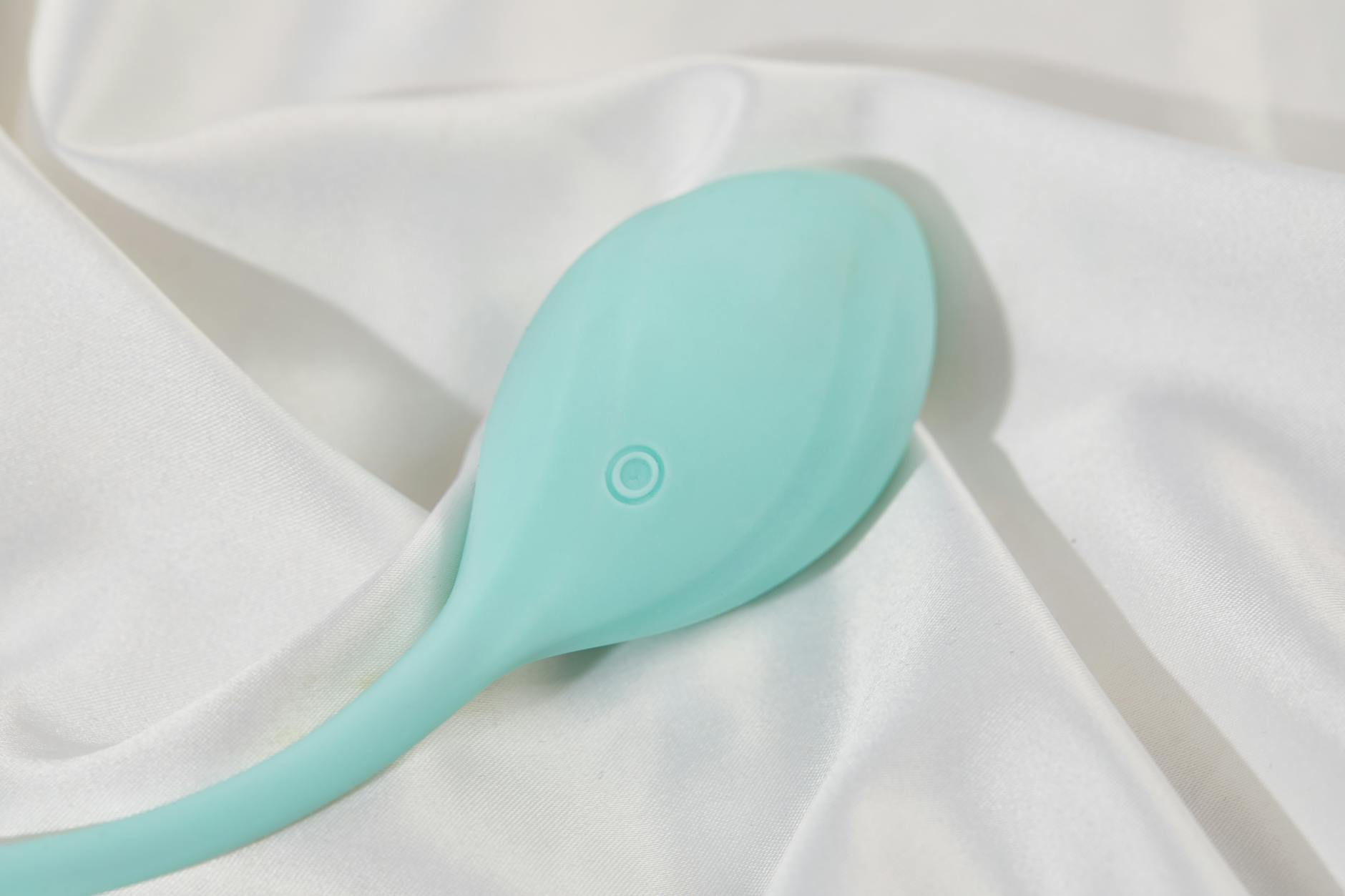
You can have low desire and still experience intense physical pleasure. That's not a contradiction. And that's where a lemon vibrator changes the game.
Why suction works differently when desire is low
Traditional vibrators rely on you meeting them halfway. You need enough arousal to enjoy the sensation, which creates a catch-22 when desire is already quiet. You're not in the mood, so stimulation feels boring or even irritating. So you stop trying. Desire stays low.
A suction-based clitoral vibrator like the Lem works in reverse. It creates immediate physical sensation that builds arousal rather than assuming arousal is already there. The suction pattern stimulates nerve endings in a way that doesn't require you to be "ready"—it helps you become ready. This is neuroscience, not wishful thinking. Suction patterns interrupt the anxiety loop and redirect your nervous system toward pleasure.
When desire is low, this matters. A lot.
Start with sensation, not pressure
Here's the first mistake people make with low desire: they assume the vibrator will fix it. Then they set it to a strong pattern, expect instant arousal, and feel disappointed when nothing clicks. That's not how pleasure works when your baseline is quiet.
Instead, use the lemon vibrator as a sensory reset tool. Set aside 10 to 15 minutes with no goal beyond noticing what you feel. Pattern 1 or 2. That's it. No expectation of orgasm. No judgment if you feel nothing.
Just notice. Is there tingling? Mild warmth? A tiny spark of interest? Those are wins when desire is low. Your nervous system is learning that pleasure is possible again.
Many people report that after three or four sessions of pure sensation exploration, with no performance pressure, desire starts naturally climbing. You're not forcing arousal. You're reminding your body what it's capable of.
Rebuild the desire loop in stages
Desire has a rhythm. If it's been quiet for weeks or months, you won't go from zero to peak in one session. That's not how brains work. Instead, think of it as a gradual climb.
Week one: Sensation focus only. Patterns 1-3 on the lem vibrator. Five to ten minutes. The goal is noticing, not coming. You're breaking the anxiety around "will this work." Spoiler: it works when you stop checking for results.
Week two: Add variety to the session. Start at pattern 1, then move to pattern 2 after a few minutes. Pause. Notice the shift. This teaches your nervous system that pleasure can build and change. You're building a relationship with the sensation, not just consuming it.
Week three and beyond: Let intensity increase only if you want it. Some people find that as desire naturally returns, they enjoy stronger patterns. Others find their sweet spot stays at patterns 2 or 3. Both are completely normal.
The key is removing the deadline. Desire doesn't respond to pressure. It responds to safety and consistency.
Address the upstream issue
This is crucial: the lemon vibrator is a tool for reconnecting with sensation, not a fix for the thing that killed desire in the first place.
If low desire is connected to relationship tension, a vibrator alone won't heal that. If it's stress or burnout, the vibrator won't erase the exhaustion. If it's medication side effects, you need to talk to your doctor. If you're grieving something, that matters.
A lemon clitoral vibrator works beautifully alongside therapy, honest conversations with your partner, medication adjustments, or stress management. It doesn't replace those things. When you address the root cause and also give yourself permission to reconnect with pleasure on your own terms, that's when real change happens.
Make it private and pressure-free
When desire is already low, the last thing you need is performance anxiety. If you're using the lem vibrator to rebuild arousal, give yourself actual privacy. Not just "my partner isn't in the room" but real space where you can focus inward without thinking about being watched or judged.
This is especially important if low desire is connected to relationship stress. Solo exploration isn't about avoiding your partner. It's about reconnecting with yourself first. Many couples find that when one person rebuilds their own pleasure capacity solo, it actually makes partnered sex feel safer and more interesting again.
The conversation with your partner can wait until you have something you want to share—not pressure you're under.
Lemon vibrators and desire cycles
Even people with strong baseline desire experience fluctuations. Your cycle, stress levels, medication, age, relationship status—all of it shapes how much you want sex in any given week.
Instead of fighting that cycle, use the lem vibrator to stay connected to your body during quieter seasons. Think of it like moving your body during a period when you're not feeling energetic. You're not pushing hard. You're just maintaining the connection. That makes it much easier to turn desire back up when conditions improve.
Some people keep a pattern 1 or 2 session in their weekly routine for exactly this reason. Ten minutes, no goal, just a gentle reminder that pleasure is available whenever you want to tune into it.
When low desire signals something deeper
If desire remains completely absent after several weeks of gentle exploration, or if it arrived suddenly and feels connected to depression, anxiety, medication changes, or relationship trauma, talking to a therapist or doctor is the right move. A clitoral vibrator is a wonderful tool for pleasure, but it's not a diagnostic instrument.
What it is: a bridge back to sensation when desire has gone quiet. Use it that way, with patience and without pressure, and most people find that pleasure doesn't stay buried. It just needed a reminder.
FAQ
Can a lemon vibrator help if I've lost interest in sex completely?
Yes, but with an important caveat. A suction-based clitoral vibrator can help you reconnect with physical sensation and rebuild arousal capacity. However, complete loss of desire often signals something deeper—medication side effects, depression, relationship issues, or hormonal changes. Use the vibrator as part of your toolkit, not instead of addressing the underlying cause. If desire has disappeared suddenly or feels connected to emotional pain, see a doctor or therapist alongside exploring sensation.
How long does it take to rebuild desire with a lemon vibrator?
There's no standard timeline. Some people feel a shift within two or three sessions. Others take several weeks of consistent, pressure-free exploration. The key is consistency without expectation. If you're checking in weekly to see if desire has returned, you'll stall the process. If you explore for ten minutes a few times a week and let the rebuild happen quietly, most people notice something shifting within four to six weeks.
Is it normal that the lemon vibrator doesn't feel good when my desire is low?
Completely normal. When arousal is quiet, sensation can feel boring, irritating, or even numb at first. That's not a sign the vibrator is wrong for you. It's a sign your nervous system needs time to wake up. Start with the gentlest patterns and the shortest sessions. Think of it as slowly turning up the volume rather than blasting it at full power. Pressure to feel good makes it harder to feel anything at all.
Should I tell my partner I'm using a lemon vibrator to rebuild desire?
That depends entirely on your relationship. If you share everything, sure. If privacy around solo exploration is healthy for you, you don't owe anyone access to that. What matters is that you're honest about the desire shift itself and willing to work on the relationship alongside your personal reconnection. The vibrator is a tool for you, not a secret. But your solo sessions don't need to be public knowledge.
Can low desire come back on its own without a vibrator?
Sometimes, yes. If the underlying cause was temporary stress and that stress has resolved, desire often returns naturally. But if desire has been quiet for a while, your nervous system often needs help remembering that pleasure exists. A lemon clitoral vibrator accelerates that process by providing consistent, non-judgmental sensation. You can rebuild without one, but with one, most people find the reconnection happens faster and feels less daunting.
What if I feel guilty using a lemon vibrator when my desire is low?
Listen to that feeling, but examine it. Where is the guilt coming from? Is it shame about pleasure? Worry that you "should" be able to enjoy sex without a tool? Concern about your relationship? Those are three different conversations. Pleasure isn't something you earn through suffering. A vibrator isn't a crutch. It's a tool that works with your body, not against it. Using one is an act of self-care, especially when desire is struggling. Give yourself permission.
The slow rebuild is the real win
Low desire is common, temporary, and fixable. It doesn't mean something is broken about you or your body. It means your nervous system needs a reset and your attention. A lemon vibrator, used gently and without pressure, can be exactly what helps you reconnect with pleasure. Start with sensation. Build slowly. Address what's underneath. And trust that desire, given time and kindness, typically finds its way back.