Let's talk about what nobody warns you about
Your postpartum body is not your pre-pregnancy body. This isn't a failure or a deficit. It's a fact that changes how pleasure works, and acknowledging that shifts everything about how you approach touch again.
Tissue sensitivity, arousal patterns, and orgasmic response all shift after birth. Hormones plummet. Blood flow to the pelvis reorganizes. If you gave birth vaginally, the tissues reshaped themselves. If you had a cesarean, scar tissue is still settling. Your nervous system is flooded with oxytocin from feeding or caregiving, which can feel soothing or overwhelming depending on the moment. Most people aren't given a framework for how to rebuild pleasure in this new landscape, so they assume something's wrong. It isn't.
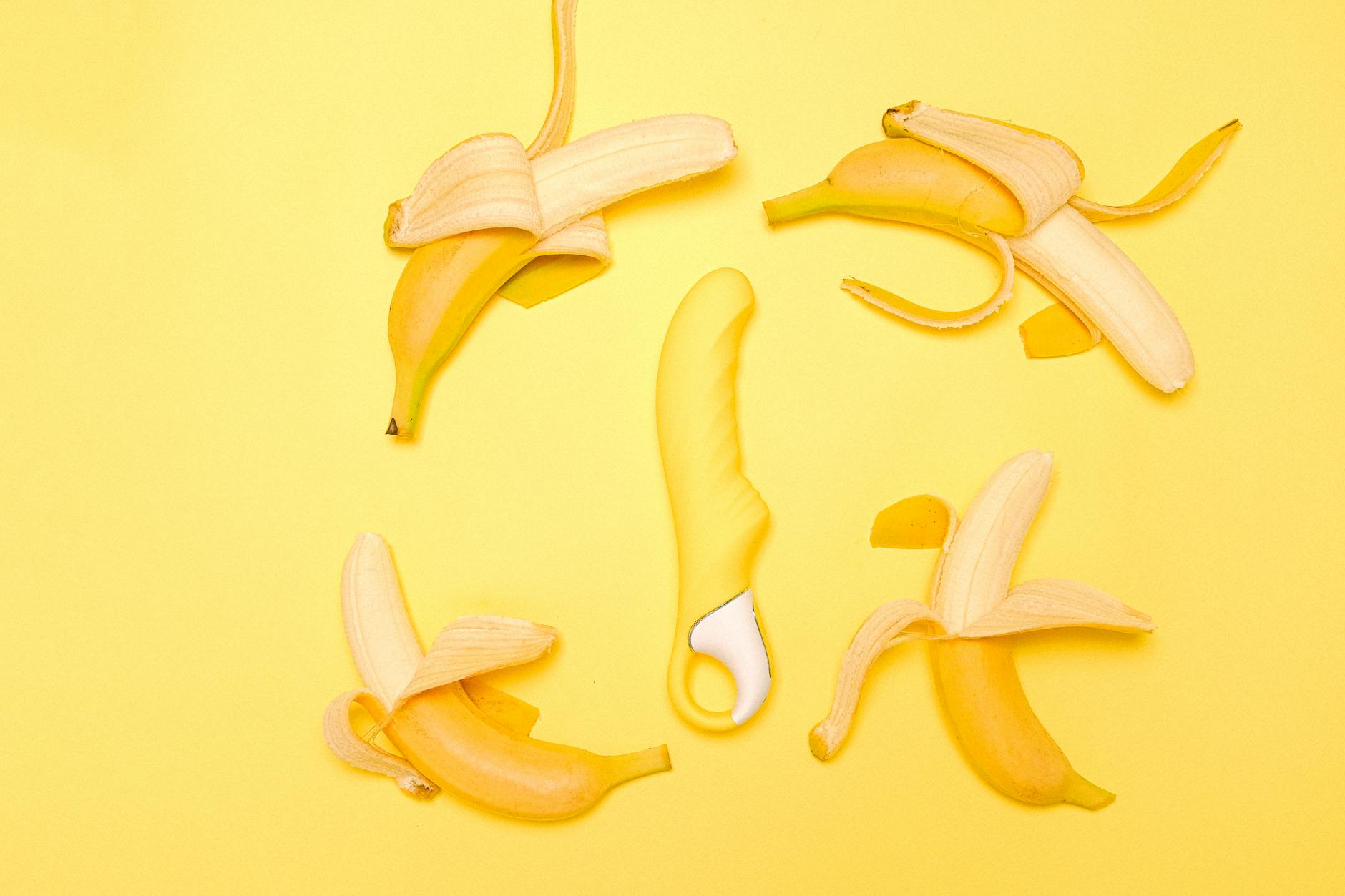
Here's what I tell my clients: postpartum is actually the ideal time to explore tools like a lemon clitoral vibrator because they work with your body's current reality rather than asking you to perform like your pre-birth self.
How postpartum changes sensation (and why it matters)
After birth, several things happen at once. Estrogen and progesterone crash. Your pelvic floor is either recovering from trauma and stretching (vaginal birth) or managing incision healing and scar tissue (cesarean). Prolactin is high if you're nursing, which can dampen arousal. Your touch tolerance is often lower because you're being touched constantly by a baby, and that can feel like you have nothing left to give.
What's crucial to know: this isn't permanent. It's a phase. And it doesn't mean your capacity for pleasure has changed.
Clitoral sensation, for instance, remains intact. The clitoris has about 8,000 nerve endings, and none of that changes from childbirth. What changes is blood flow to the area and how quickly arousal can build. Some postpartum people report that their clitoris feels less responsive or that they need more intense stimulation to feel anything. Others say sensation feels almost painful because everything is so tender.
Both are normal. Both are temporary. And both respond well to the right approach with a clitoral vibrator.
Why a lemon vibrator works postpartum
A lemon clitoral vibrator like the Lem is particularly useful during postpartum recovery for three specific reasons.
It doesn't require you to be aroused first. Most postpartum people are too touched-out or too tired for traditional foreplay. A vibrator activates arousal rather than waiting for it to arrive. You can start at a lower intensity and let sensation build, which is often easier than trying to manufacture desire from zero.
It provides consistent, external stimulation. After birth, internal pressure or penetration might feel uncomfortable or triggering. External clitoral stimulation bypasses that entirely. Suction-style vibrators like the Lem use air-pulse technology, which means no direct friction. This is gentler on freshly sensitive tissue while still being intensely pleasurable.
It gives you control over intensity. When your body is recovering, you need autonomy over how much sensation you can handle. A vibrator with multiple settings lets you start at level one and increase only as your body signals it's ready.
The first three months: expect nothing, find everything
If you're in the fourth to twelve weeks postpartum window, the priority isn't orgasm. It's reconnection. Your task is to reintroduce sensation to your body in a way that feels safe, not rushed.
Start with solo exploration. No performance, no partner expectation. Set aside fifteen minutes when you're not touched out. Some people find early morning works best. Others need to wait until the baby is in their father's or partner's hands for an hour.
Use a water-based lubricant, even if you think you don't need it. Postpartum tissue is often less lubricated due to hormonal shifts. This isn't a sign of dysfunction. It's just biology. Lubrication helps sensation feel better and protects tissue that's still stabilizing.
Start with the lowest setting on your lemon vibrator. Hold it gently against your clitoris without pressure. Some postpartum bodies enjoy the suction sensation immediately. Others find it overwhelming at first. If overwhelming, pull back. Sit with the vibration without expecting it to do anything. This is retraining your nervous system to feel safe experiencing pleasure again.
Months three to six: building arousal back
Once you're past the acute healing phase (usually around three months postpartum, though this varies wildly), arousal can start to return. But it's different now.
Arouse doesn't always mean desire anymore. Sometimes arousal means your body saying yes to touch, not because you wanted it, but because it felt good. This distinction matters because postpartum desire is often contextual. You might not want sex, but you might want to feel your body respond. Those aren't the same thing.
This is where a lemon clitoral vibrator bridges the gap beautifully. You can use it to generate arousal in your body even if mental desire isn't there yet. This isn't fake. It's priming. It's giving your nervous system permission to remember what pleasure feels like.
Incorporate longer warm-up time. Where you might have needed five minutes pre-birth, you might need fifteen now. That's normal. Your blood flow has redirected, your hormones are different, and you're cognitively tired. All of that slows arousal. That doesn't mean arousal is broken. It means it needs patience.
If you have a partner, this is a good moment to explore together, but the emphasis should be on your clitoral pleasure, not on penetration or performance. You might use the vibrator while they hold you, kiss your neck, or simply bear witness. This rebuilds the sensation of being desired without the pressure of traditional sex.
The tissue-sensitivity question: when does it hurt?
If clitoral stimulation causes pain, don't push through. Pain isn't a challenge to overcome. It's information. It usually means one of three things.
The tissue is still healing. If you're under three months postpartum and feel pain, wait. Healing tissue is fragile. A vibrator is an intervention that works better once the body has stabilized.
The vibration is too intense. This is easiest to solve. Start at level one. Many postpartum people don't graduate to levels three and four for weeks or months. There's no timeline. Your body will tell you when it's ready.
There's scar tissue or nerve involvement. If pain persists after six months postpartum or if it's localized sharp pain rather than general sensitivity, see your gynecologist or a pelvic floor physical therapist. Postpartum complications like nerve damage or problematic scarring are treatable, but they need professional assessment.
When your partner wants to participate
Postpartum sex is complicated because your body has been a vessel, a feeding system, a survival machine. The idea of being a pleasure machine too can feel impossible. But desire and partnership don't have to be all or nothing.
If you want your partner involved in your pleasure recovery, be specific about what that means. Does it mean they hold you? Does it mean they leave you alone but stay in the room? Does it mean they use the vibrator while you direct them? These aren't small details. They're the difference between feeling supported and feeling pressured.
A lemon clitoral vibrator gives you something concrete to focus on together. There's no expectation of penetration, no performance anxiety about maintaining arousal. Just sensation, at your pace, in a way your recovering body can handle.
Lubrication and care during recovery
Postpartum people often have lower estrogen, which means naturally lower lubrication. This isn't a deficiency. It's expected. Water-based lubricant should become a habit, not an accommodation.
For a lemon vibrator, always use water-based lubrication. Silicone-based lubes can degrade silicone toys. Apply the lubricant to the vibrator before use, not just to your body. This reduces friction and makes the whole experience feel smoother.
Clean your vibrator with warm water and a gentle cleanser after each use. This prevents bacterial buildup on tissue that's already managing hormonal and physical recovery. A clean toy is a safer toy.
FAQ: Postpartum pleasure and clitoral vibrators
Is it safe to use a vibrator while breastfeeding?
Yes. Vibrator use has zero impact on milk supply or nursing. Your oxytocin might spike during orgasm, but that doesn't interfere with breastfeeding physiology. The only real consideration is timing and being relaxed enough to enjoy it, which depends entirely on your energy and stress levels.
How long after giving birth should I wait to use a vibrator?
If you had a vaginal birth without complications, wait until lochia (postpartum bleeding) stops, usually two to three weeks. If you had a cesarean, the incision needs to be closed and scar tissue starting to stabilize, usually four to six weeks. Listen to your body. If touching your clitoris causes sharp pain, wait longer. If it feels okay, you're probably safe to try.
Can a lemon vibrator help with postpartum depression or anxiety?
A vibrator isn't a treatment for postpartum mood disorders, but the physical act of experiencing pleasure can help regulate your nervous system temporarily. That said, if you're struggling with depression or anxiety postpartum, talk to your doctor. That's a medical issue that needs real support, not just self-pleasure.
My partner is pressuring me for sex and I'm not ready. How do I use a vibrator without that pressure?
Use it alone, on your own timeline. Explain to your partner that you're rebuilding your relationship with your body and that includes solo time. If your partner can't respect that, that's a separate relationship issue worth addressing with a therapist. Your recovery timeline isn't negotiable.
Will sensation come back to normal?
Yes, almost always. Most postpartum changes stabilize within six to twelve months. If you're still experiencing significant numbness or pain after a year postpartum, see a pelvic floor specialist. That's the moment for professional support, not more waiting.
Is it normal to not want sex but want to use a vibrator?
Completely normal. Desire and pleasure aren't the same thing. You can enjoy clitoral stimulation without wanting partnered sex. You can appreciate sensation without wanting penetration. These distinctions matter because they're all valid forms of pleasure. There's no hierarchy.
The bottom line
Postpartum is not a return to baseline. It's a transition to a new baseline. Your body has changed. Your arousal patterns have shifted. Your touch tolerance is different. None of that means you're broken or that pleasure is behind you.
A lemon clitoral vibrator works postpartum because it meets your body where it actually is, not where you think it should be. It gives you control, gentleness, and the space to rebuild your relationship with sensation on your own terms. Most importantly, it sends you a message your postpartum self desperately needs: your pleasure matters, and you deserve to feel good.
If you're struggling to rebuild intimacy after birth or if you're navigating the complexity of postpartum desire with a partner, reach out. That's what I'm here for. Connection after childbirth doesn't have to be mysterious or painful. It can be intentional, pleasurable, and deeply restorative.