Here's the thing about sensitivity and aging
Your clitoris doesn't get smaller or less capable as you age. What changes is the tissue around it. The skin thins slightly. Blood flow patterns shift. Nerve density stays the same, but the signaling highway gets a bit more congested. None of this means you lose pleasure. It means you need different navigation.
I've worked with hundreds of people navigating this exact transition, and the most common mistake is assuming the problem is you. It's not. The problem is using the same tool at the same intensity on a body that's telling you it wants something different.
Why sensation feels different at different life stages
When you're in your 20s and 30s, estrogen and blood flow make your clitoris highly responsive. Direct stimulation feels intense and accessible. Fast, firm pressure works well.
As estrogen naturally shifts in your 40s and beyond, the tissue changes. Your clitoris becomes more sensitive to pressure in some spots and less responsive in others. What felt perfect at 32 might feel aggressive at 52. This isn't a loss. It's a recalibration.
Hormonal fluctuations around perimenopause and menopause accelerate this shift. The vaginal tissue thins, supporting tissue loses elasticity, and the clitoral hood may recede slightly. These are all normal, reversible changes. The neural pathways for pleasure don't go anywhere.
Why a lemon vibrator works differently for changing sensitivity
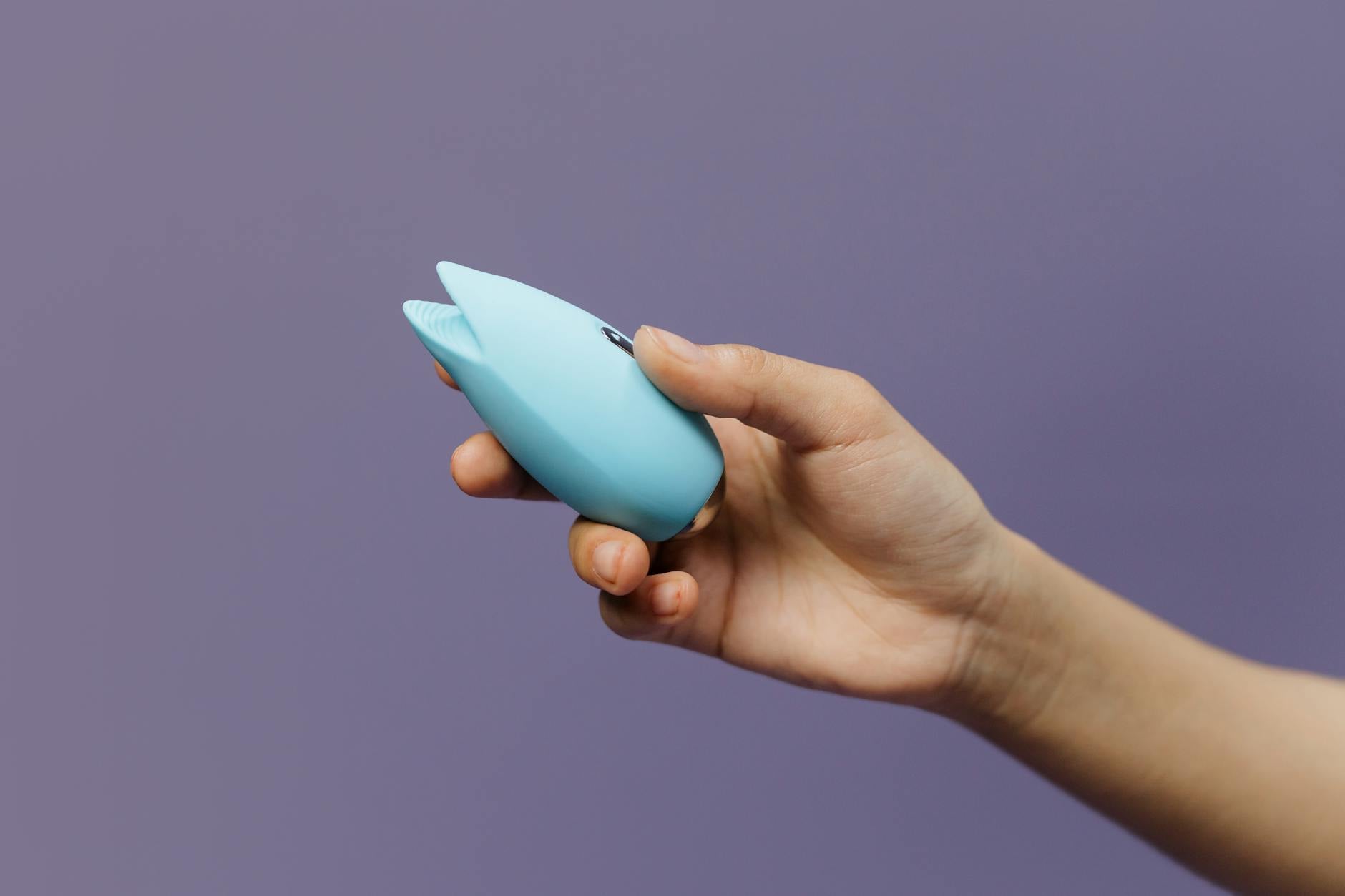
Unlike vibrators that rely on hard friction or piercing intensity, a lemon clitoral vibrator uses gentle suction combined with pulsing stimulation. This matters enormously when your sensitivity is in transition.
Here's why: suction creates a broader field of stimulation. Instead of targeting one precise point (which can feel overwhelming on thinner tissue), it gently draws the entire clitoral structure into a pulse pattern. For people whose clitoral sensitivity has become more dispersed over time, this distributed approach often feels better than direct vibration.
The Lem's pulsing patterns are also adjustable. You can start at pattern 1 or 2, which deliver gentle waves rather than sustained buzzing. As your body warms up and arousal builds, you can move up to patterns 3 through 10. This graduated approach respects the fact that your arousal timeline has probably lengthened, and your body needs time to build sensation.
The adjustment protocol for midlife sensitivity shifts
If you've been away from pleasure for a while, or if your body's responsiveness has shifted, here's a concrete approach:
Start with the lowest setting. Pattern 1 on the Lem feels almost conversational, like a gentle knock rather than a bang. Stay there for 5-10 minutes. Your goal isn't orgasm yet. Your goal is reconnection. Let your nervous system remember what stimulation feels like.
Use plenty of lubricant. Water-based lube isn't just nice to have. It's essential. Thinning tissue benefits from the glide. It also changes how suction feels, making it smoother and less grabby. Apply generously.
Warm up longer. Arousal naturally takes more time as you age. Budget 15-25 minutes instead of 5. Start with the vibrator on the outer vulva, then gradually move toward the clitoris. This gives your nervous system time to wake up.
Move gradually through the patterns. Don't jump from pattern 1 to pattern 8. Progress by one or two patterns every few minutes. Notice where your body says yes. Some people find their sweet spot at pattern 3. Others prefer pattern 5 or 6. There's no standard.
When sensation feels completely numb
If your clitoris feels like it's gone to sleep entirely, that's often reversible. Numbness usually signals either low blood flow, low arousal, or both.
Start with the Lem at the lowest pattern, but instead of focusing on the clitoris itself, use it on the outer labia and the tissue around the base of the clitoris. This is sometimes more sensitive and can draw blood flow and attention toward the clitoral structure. Over 5-10 minutes, sensation usually starts returning.
If numbness persists across multiple sessions, check your medications (certain blood pressure meds and antidepressants can reduce sensation), your hydration, and your stress level. All three affect blood flow. A conversation with your doctor about how any recent changes might affect sexual sensation is worth having.
When sensation feels too intense or tender
This is the opposite problem but equally common. If even the lowest pattern feels sharp or uncomfortable, you're likely dealing with thinning tissue or inflammation.
First: take a break. Use the Lem once every few days instead of daily. This gives sensitive tissue time to recover.
Second: increase lubrication. Seriously. Add more lube than feels natural. This reduces friction and distributes pressure more evenly.
Third: try external-only stimulation for a while. Use the Lem on the outer vulva, the mons pubis, and the outer labia. Skip direct clitoral contact. After 10-15 minutes of this gentler approach, clitoral sensation often becomes more welcoming.
If tenderness doesn't improve after a week of adjusted use, talk to a gynecologist. Genitourinary syndrome of menopause (GSM) is treatable, often with topical estrogen creams that work quickly and have minimal systemic effects.
The mental piece: pleasure and confidence
Here's what I see over and over: a woman's body changes slightly, pleasure feels different, and she convinces herself she's broken. She's not. Her body is simply asking for a different conversation.
Using a lemon clitoral vibrator through this transition can actually rebuild confidence. Because it works differently than her previous experience, it doesn't trigger the comparison trap. Pattern 4 on the Lem isn't "less intense" than the vibrator she used at 35. It's a completely different sensation. This mental reset matters.
Most importantly: your body's changing sensitivity isn't a loss of capacity. It's a shift in the kind of stimulation that creates pleasure. A lemon vibrator is essentially a translation tool. It lets you speak to your body in the language it's currently using, not the one it spoke ten years ago.
Pairing the vibrator with lifestyle factors
Sensitivity doesn't live in isolation. It's connected to everything.
Stress, sleep, and cardiovascular fitness all affect blood flow. If you're working through a high-stress period, your clitoris might feel less responsive even if nothing physiological has changed. A 20-minute walk before pleasure sessions can genuinely improve sensation. Sleep matters enormously. So does hydration.
Relationship dynamics matter too. If you're working through tension with a partner, that tension lives in your body. Using the Lem solo first, in a low-pressure environment, can rebuild the basic confidence your nervous system needs. Once you've reconnected with your own pleasure, partnered pleasure becomes easier.
Many people also find that combining the Lem with other forms of touch helps. Start with manual touch, then introduce the vibrator once arousal is building. This layered approach often feels more integrated than jumping straight to the toy.
When to talk to a healthcare provider
If your sensitivity shift arrived suddenly alongside other symptoms (mood changes, sleep disruption, hot flashes), that's likely hormonal. A conversation with a menopause-informed provider is worth having. Hormone therapy, localized hormone treatments, or other options can make a real difference.
If sensation loss is paired with pain, dryness that lube doesn't help, or burning during or after sex, get checked out. These are signs of GSM or another treatable condition. You don't have to live with them.
If you're on a new medication and your sexual response tanked at the same time, tell your prescriber. Sometimes switching to a different medication in the same class restores function. Sometimes adding another medication offsets the side effect. These conversations aren't uncomfortable for your doctor. They're routine.
FAQ: Common questions about lemon vibrators and sensitivity changes
Can I use a lemon vibrator if my clitoris has completely lost sensation?
Yes, but start with the absolute lowest setting and focus on the surrounding tissue first. Sensation often returns as blood flow increases. If numbness persists beyond two weeks of regular use, see a doctor. It could be medication-related or indicate reduced blood flow that needs attention.
Is it normal for pleasure to feel different after 45?
Completely normal. Tissue changes, hormones shift, and your nervous system's responsiveness adjusts. This isn't decline. It's evolution. Most people find their most satisfying pleasure in their 50s and beyond once they stop fighting the change and start working with it.
How often can I safely use a lemon vibrator on sensitive tissue?
Daily use is fine for most bodies. If your tissue feels tender afterward, dial back to three times a week and increase lubrication. If tenderness persists, take a week off and talk to your doctor.
Does using a lemon clitoral vibrator make my body "too reliant" on it for orgasm?
No. Neurologically, that's not how pleasure works. Using a vibrator actually rewires your nervous system to recognize pleasure more easily. Once your body remembers what sensation feels like, that neurological pattern sticks around whether you use a toy or not.
Will a lemon vibrator help if my issue is emotional, not physical?
Partially. If low desire is rooted in relationship tension or anxiety, the vibrator addresses the physical side but not the emotional side. Consider working with both. A tool can rebuild physical confidence. Conversation rebuilds emotional connection. You might need both.
What's the difference between a lemon vibrator and other clitoral toys for midlife sensitivity shifts?
Lemon vibrators use suction-based stimulation, which distributes pressure more broadly than traditional vibrators. This tends to feel better on tissue that's become more sensitive or less responsive. The pulsing patterns are also highly adjustable, letting you match intensity to your changing body throughout a single session.
The real story about aging and pleasure
Your sensitivity changing over time isn't a problem to fix. It's information your body is giving you. A lemon vibrator is a tool that lets you listen to that information and respond to it. When you stop fighting your body's changes and start adapting to them, pleasure often becomes deeper and more integrated, not shallower.
If you're navigating sensitivity shifts right now, you're not broken. You're in transition. And transition, once you accept it, usually leads somewhere better.