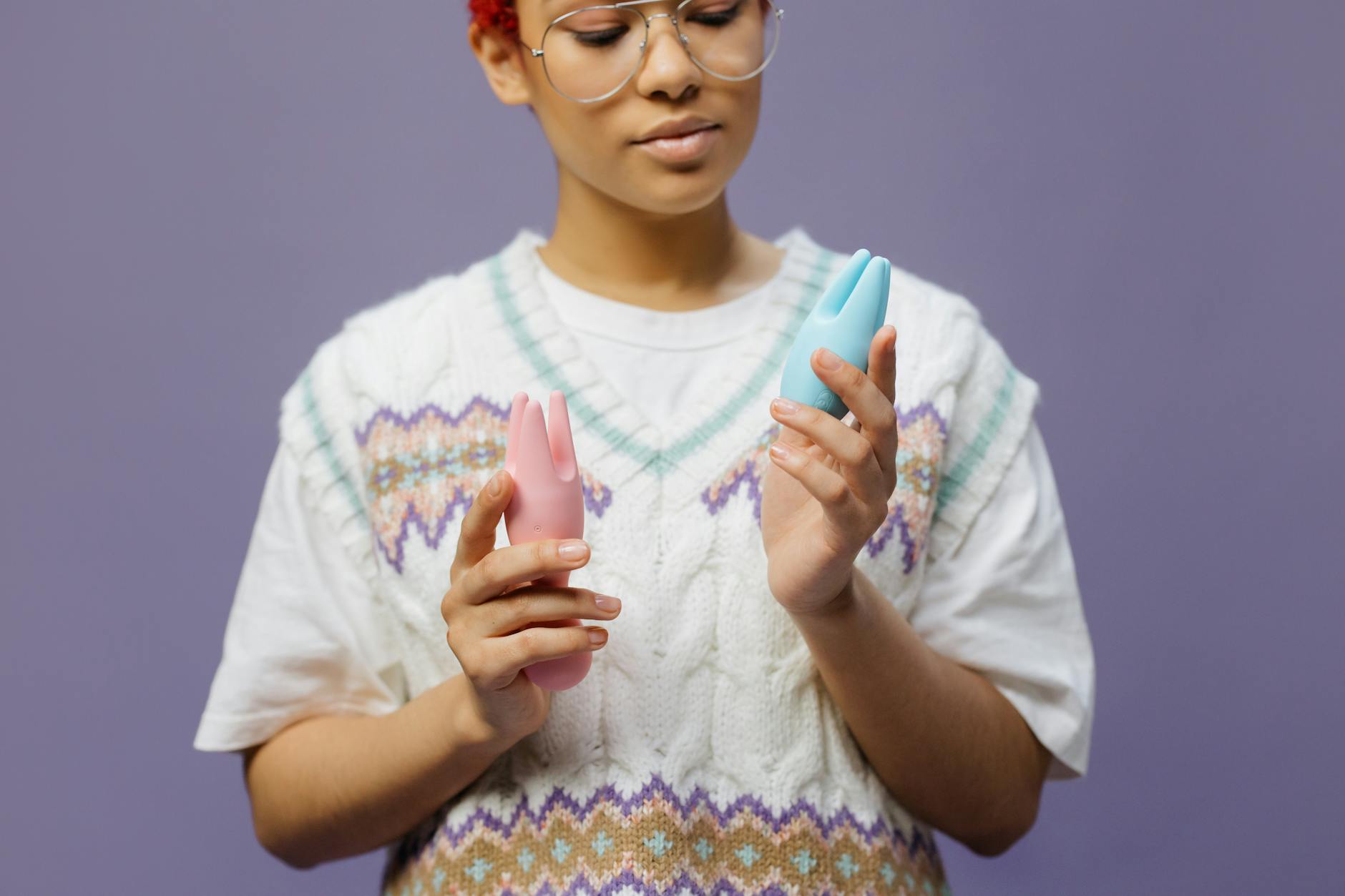
Here's what nobody tells you about post-surgery pleasure
Surgery disrupts sensation. Whether it's gynecological, abdominal, or unrelated to your genitals entirely, the nervous system responds to trauma by dampening signals, redirecting blood flow, and sometimes leaving you feeling weirdly numb in places you'd expect to feel everything. That numbness is not permanent. But while you're in it, pleasure can feel like a foreign country.
The good news: clitoral vibrators like the Lem are designed to work with desensitized tissue, not against it. They're engineered to stimulate nerves without relying on the kind of direct friction that can feel uncomfortable or even painful while you're healing.
Why sensation changes after surgery
Your body has a lot going on during recovery. Swelling compresses nerves. Scar tissue forms around the surgical site, sometimes affecting nearby sensory pathways. Anesthesia itself takes time to fully leave your system. And honestly, the psychological weight of surgery.restriction makes everything feel muted.
The pelvic floor often tightens involuntarily as part of the healing response, especially if the surgery was anywhere near your abdomen or genitals. That tension actually blocks sensation further. It's a protective reflex, which is smart for the first few weeks but can linger if you're not careful.
Most importantly: none of this is damage. It's inflammation and neural recalibration. The nerves in your clitoris have not been altered. They're just temporarily less responsive. As swelling goes down and your nervous system resets, sensation returns.
When it's safe to explore pleasure again
Your surgeon should give you explicit clearance before anything sexual, even solo. That timeline varies wildly. Some surgeries allow pelvic engagement in four to six weeks. Others require eight to twelve weeks of complete rest. Follow your timeline, not what worked for someone else's surgery.
Once you've got the okay, starting again is not about jumping back to what felt good before. It's about reintroduction. You're not the same person you were pre-surgery. Your body needs permission to be different for a while.
Why the Lem works better than other tools during recovery
Traditional vibrators rely on rapid oscillation to create sensation. That works great for fully-responsive tissue. But desensitized skin often finds high-frequency vibration overwhelming or irritating. It can feel buzzy and jangly instead of pleasurable.
Clitoral suction vibrators like the Lem work differently. They use gentle air-pulse technology to stimulate the entire clitoral structure, not just surface nerve endings. This matters enormously during recovery because:
1. Lower intensity feels sufficient. You can start at pattern 1 or 2 and feel genuine pleasure. There's no pressure to ramp up to intensity level 5 just to feel something. Gentleness works.
2. No direct friction required. The suction creates a seal and gentle pressure wave. Your skin never experiences rough contact. For post-surgery bodies, this is the difference between pleasure and pain.
3. Sensation builds gradually. As numbness lifts week by week, you can increase the pattern without relearning your body entirely. The same tool grows with your recovery.
4. Less trigger for tension. Many people find traditional vibration makes pelvic floor tension worse during early recovery. The rhythmic suction of air-pulse technology actually helps some bodies relax.
The step-by-step comeback
Weeks 1-2 post-clearance: Start with external exploration only. No penetration, no pressure. Hold the Lem lightly against your vulva (not inside). Set it to the lowest pattern. Let your nervous system register that sensation is possible again. Three to five minutes is plenty. This isn't about orgasm. It's about reacquaintance.
Weeks 3-4: Increase to ten minutes if it feels comfortable. You might explore slightly higher patterns. Pay attention to what your body's telling you. Does pressure feel okay, or does it create tension? Numbness starting to lift, or still pretty flat? Go slow. Recovery is not a race.
Weeks 5+: If sensation is returning and you feel ready, you can experiment with longer sessions and gradually higher intensities. But honestly, many people find that gentleness feels better post-surgery even once they're fully healed. There's no expiration date on using the lowest settings.
What to expect emotionally
Post-surgery numbness can feel psychologically heavy. You might feel disconnected from your body, anxious that sensation won't return, or frustrated by the gap between what you want to feel and what you're actually experiencing. That's completely normal and worth acknowledging.
Many people find that the act of exploring with a tool like the Lem, even if orgasm doesn't happen, helps rebuild trust in their body. You're not chasing a big finish. You're just spending time with your body in a gentle way. That alone is healing.
If you have a partner, involve them in the conversation but not necessarily in the exploration. Sometimes solo pleasure during recovery feels safer and less pressurizing. You're learning your new normal. Your partner can support that without needing to be present.
Physical care while you're rebuilding
Use water-based lubricant generously. Post-surgery tissue can be drier than usual due to reduced blood flow and hormonal shifts. Lube makes everything more comfortable and reduces friction-related irritation.
Pelvic floor stretches help release tension. Child's pose, deep squats, and even just conscious relaxation of your pelvic floor during your sessions signal safety to your nervous system. Kegels can wait until sensation is more robust. Right now, relaxation is the stronger move.
Warmth helps. A heating pad on your lower abdomen before you start can increase blood flow and reduce some of the numbness. It also signals to your nervous system that you're in a safe, restorative space.
Stay hydrated and well-rested. Recovery is metabolically expensive. Your body can't prioritize sensation reawakening if you're exhausted and dehydrated.
When to loop in your doctor
If pain increases instead of decreasing week to week, tell your surgeon. If numbness is still completely absent four months post-surgery, mention it. If you're developing anxiety around the area that's interfering with daily life, that's also worth discussing. They can rule out complications or refer you to a pelvic floor specialist who can help accelerate nerve function.
Post-surgery pleasure is absolutely achievable. You just need the right tool, patience with your timeline, and permission to feel differently than you did before.
FAQ: Pleasure and Post-Surgery Recovery
How long after surgery can I safely use a vibrator?
Wait for explicit clearance from your surgeon, typically four to eight weeks depending on the procedure. Even once cleared, start gently. Your tissue is still healing internally even if the incision looks fine externally. Begin with the lowest intensity and shortest sessions, then gradually increase as comfort improves over subsequent weeks.
Can I use the Lem if I still have numbness post-surgery?
Yes, absolutely. In fact, suction vibrators like the Lem are often easier on desensitized tissue than traditional vibrators because they don't require high-frequency stimulation to feel pleasurable. Start with pattern 1 or 2, and let your body guide the intensity. As numbness lifts, you can increase settings gradually.
Will using a vibrator delay my healing?
Not if you're gentle and follow your surgeon's timeline. Solo pleasure with a vibrator doesn't stress surgical sites the way penetration or vigorous partner activity might. Many therapists actually recommend gentle clitoral stimulation as part of the reconnection process during recovery because it increases blood flow and neural signaling without mechanical strain.
What if sensation still hasn't returned three months post-surgery?
Talk to your surgeon. Most post-surgical numbness resolves within three to six months as inflammation decreases. If you're hitting that three-month mark with no improvement, your surgeon can rule out nerve damage or refer you to a pelvic floor specialist. Sometimes targeted therapy accelerates recovery.
Is it normal to feel anxious about pleasure after surgery?
Completely normal. Surgery creates a rupture in how you experience your body. Reconnecting gradually, on your own terms, with a tool designed for sensitive tissue, helps rebuild safety and trust. If anxiety is persistent or intense, working with a therapist who specializes in somatic recovery can help tremendously.
Can I orgasm during early recovery, or should I wait?
Orgasm is not off-limits once you're cleared for pelvic activity. But don't chase it. If orgasm happens while you're gently exploring, that's wonderful. If it doesn't, that's equally fine. Post-surgery bodies often need several sessions of gentle stimulation before the neural pathways for orgasm reactivate. The goal early on is reconnection, not climax.
Moving forward
Recovery from surgery is a full-body reset, not just a physical healing process. Your pleasure deserves the same careful attention you're giving to your surgical site. Tools like the Lem that work with desensitized tissue instead of demanding immediate responsiveness make that reconnection feel possible instead of frustrating. Take your time. Your body will get there. And when it does, you'll be surprised at how good it feels.