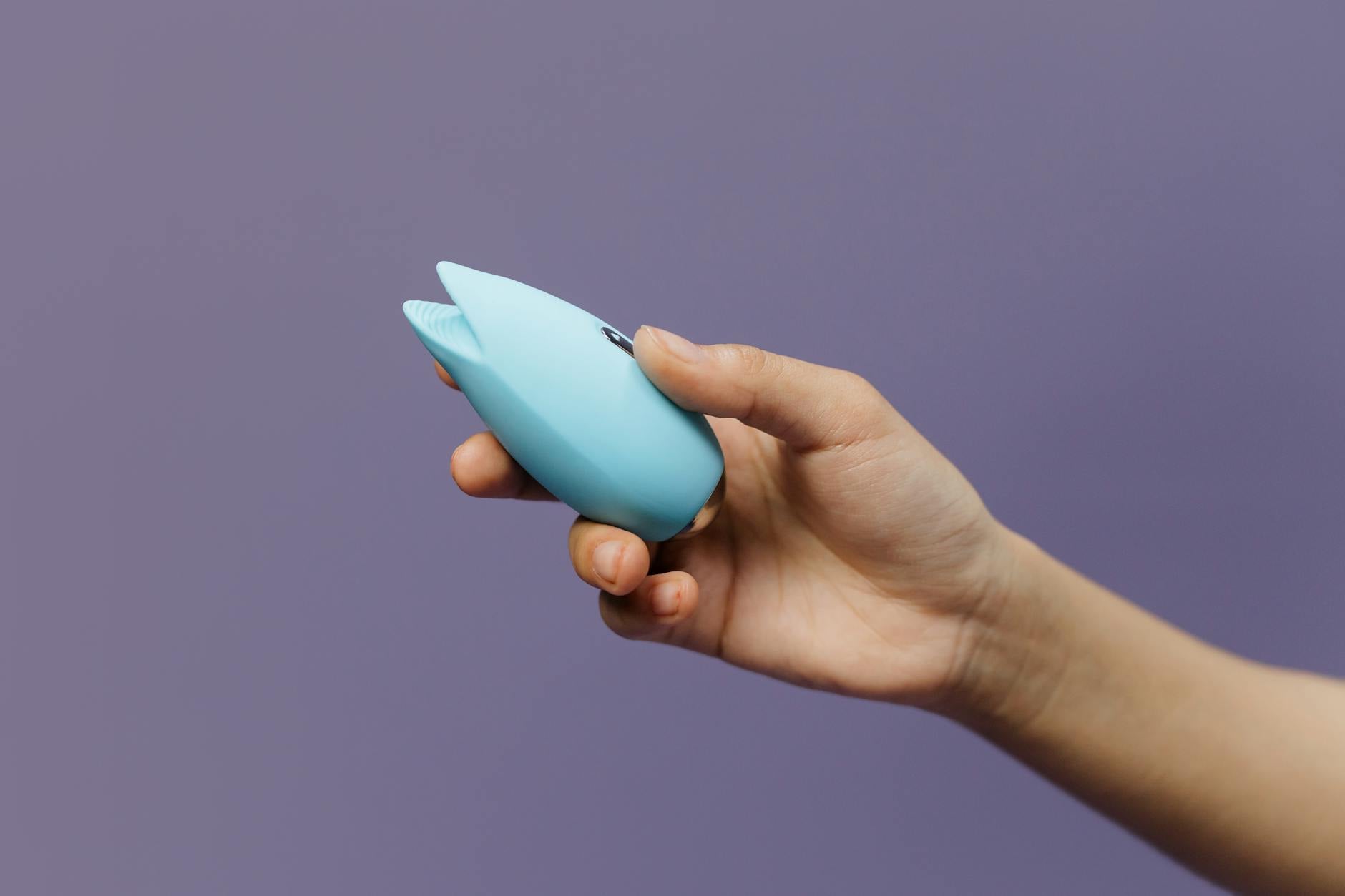
Let's be real about hormones outside menopause
You don't have to be in menopause for hormones to mess with your pleasure. Birth control, thyroid dysfunction, chronic stress, postpartum shifts, and even seasonal patterns can change how your body responds to touch. And here's the thing: these shifts are often invisible, which makes them even more frustrating.
One week the Lem feels perfect. The next week, the same pattern that worked beautifully feels either too much or not enough. You're not broken. Your body is speaking a language that shifted without your permission.
What's actually happening hormonally
Hormones do three main things to sensation and arousal. First, they change blood flow to your genitals. Second, they affect nerve sensitivity. Third, they influence how your brain processes pleasure signals. The interesting part: these don't all shift together, and they don't shift the same way menopause does.
If you've recently started or changed birth control, progesterone levels spike. Higher progesterone can dull sensation in some people and increase it in others. For others, the change is most noticeable as a shift in arousal speed, not sensitivity. Thyroid issues work differently. Low thyroid (hypothyroidism) slows everything down. Arousal takes longer. Orgasms feel distant. High thyroid (hyperthyroidism) can make you feel rawly sensitive, like the vibration is too intense even at lower settings.
Postpartum hormones are their own beast. Prolactin stays elevated if you're breastfeeding, which suppresses libido even after you stop nursing. Estrogen drops postpartum regardless, similar to menopause but often faster and sharper. Stress hormones (cortisol and adrenaline) also play here. Chronic stress keeps cortisol elevated, which hijacks the resources your body would use for arousal.
The important part: none of this means your clitoral vibrator won't work for you. It just means you'll need to adjust how you use it.
How sensation changes with birth control shifts
Hormonal birth control alters the hormone environment intentionally, so it's one of the most predictable changes to work with. When you start or switch pills, patches, or hormonal IUDs, give yourself a two to three month adjustment window before you assume something's wrong with your pleasure.
During that window, you're likely to notice: arousal takes longer to build (normal, not permanent), the intensity that felt right might feel either muted or overwhelming, and orgasm might feel flatter or require different stimulation. Some people on hormonal birth control find that the lemon vibrator's suction works better than it did before because direct vibration feels too intense. Others find the opposite.
The strategy here is flexible experimentation. Don't jump to a faster pattern just because the old one feels slow. Instead, try longer warm-up time, different patterns (scroll through settings 1-8 on the Lem), and different angles or positioning. If you're three months in and things still feel off, it might be worth talking to your gynecologist about whether a different formulation would help.
Thyroid dysfunction and sensation
Thyroid issues are wildly underdiagnosed in people with vulvas, and the sexual side effects often get overlooked. Hypothyroidism (low thyroid) makes everything feel sluggish, including arousal. If you've been told you have normal thyroid because your TSH is technically in range, but you feel like you're moving through water, trust your body. Subclinical hypothyroidism (TSH high-normal) still affects sensation and arousal.
With low thyroid, the first adjustment isn't your vibrator settings. It's patience and warm-up time. Budget 20-30 minutes for arousal instead of 10. Use lower Lem settings (patterns 1-4) and stay there longer before escalating. Some people find that warming their genital area first with warm water or a heating pad helps blood flow get there faster.
Hyperthyroidism is the opposite problem. Everything feels oversensitive. Even a low Lem setting might feel sharp or too intense. The solution is counterintuitive: don't skip the vibrator, just use it differently. Try longer pauses between patterns. Experiment with holding the Lem at a slight distance rather than full contact. Some people find that pulsing patterns (if available on your device) feel less overwhelming than steady ones.
Postpartum shifts and recalibrating pleasure
After you give birth, your body is not the same, and pleasure doesn't resume on a timeline. Whether you're nursing or not, prolactin suppresses dopamine (your pleasure neurotransmitter), which tanks libido. This isn't laziness. It's biology protecting you so you're focused on survival and feeding. The shift usually lasts 6-12 months postpartum, longer if you're nursing.
During this time, solo pleasure becomes a different kind of practice. Some postpartum people find that the Lem actually helps break through the numbness because the suction sensation is novel enough to cut through the fog. Others find that pleasure feels complicated because it's also painful (pelvic floor tension, scarring, or raw tissues).
If sex or solo pleasure has been painful, start slowly with your lemon vibrator. Don't jump to full stimulation. Try using it on external areas only, with plenty of lubrication. Warm up for 15-25 minutes before even turning it on. Some postpartum people benefit from a pelvic floor physical therapist, which makes a huge difference in how sensation feels.
Stress, cortisol, and that "can't orgasm" feeling
Chronic stress keeps your nervous system in fight-or-flight mode, which is the opposite of the parasympathetic state you need for arousal and orgasm. You can have the best lemon clitoral vibrator in the world and still struggle if cortisol is running the show.
This one's tricky because you can't vibrate your way out of it. But you can set the conditions. Before using your Lem when you're in a stress cycle, spend 5-10 minutes on nervous system downshift. That might be deep breathing, a shower, music you love, or just lying still. Some people find that dimming lights and using the vibrator on pattern 1 or 2 (very gentle, no pressure to reach orgasm) helps reset their nervous system faster than pushing toward climax.
If you're in high stress and trying to use your vibrator, give yourself permission to not finish. Pleasure without performance pressure often does more to reset stress hormones than an orgasm obtained under duress. Your nervous system knows the difference.
Cycle phase variance and what to expect
Even if your hormones are otherwise stable, your menstrual cycle shifts sensation week to week. Follicular phase (first half of your cycle) tends to bring higher sensitivity and faster arousal. Luteal phase (second half) often feels more numb or requires more pressure and time.
If you track your cycle and your pleasure use, you'll start seeing the pattern. During follicular, you might reach orgasm in 10 minutes on pattern 4. During luteal, the same setup might take 25 minutes on pattern 6. Neither is wrong. You're just working with a different neurochemistry.
Plan your lemon vibrator sessions around this if you can. During luteal, give yourself more time. Use more lubricant. Try pattern 7 or 8. During follicular, you might find that patterns 1-3 are actually more than enough, and faster can feel less satisfying.
Medication side effects and pleasure
Antidepressants, antihistamines, blood pressure medications, and other drugs can affect sensation and orgasm. If you've recently started a new medication and noticed changes in arousal or sensitivity, the medication is likely involved. Don't stop taking it, but do mention it to your prescriber.
Some medications delay orgasm. Some numb sensation. Some make arousal take impossibly long. The Lem can sometimes help here because the suction sensation is different enough to bypass some of the numbness that comes with medication. If you're on SSRIs or another medication affecting sensation, consider how to use a lemon vibrator when SSRIs numb sensation and delay orgasm as a deeper guide.
Adjusting your practice when hormones shift
Here are four concrete changes to try when you notice hormonal shifts affecting pleasure:
1. Extend your warm-up. Don't start at the Lem setting you always use. Begin on pattern 1 or 2 and spend 10-15 minutes there before moving up. Let arousal build on its own timeline.
2. Vary your pattern rotation. If you always use pattern 5, you've taught your body to expect that specific sensation. Hormone shifts often need novelty. Cycle through patterns 3-6, spending 2-3 minutes on each before moving. Your brain might find the variation more stimulating than sticking to one.
3. Add intentional pauses. Don't treat your Lem session as a marathon toward orgasm. Pause for 30-60 seconds, let sensation settle, then resume. This is especially helpful when your nervous system is stuck in stress mode.
4. Lubricate generously. Hormonal shifts almost always mean your body produces less natural lubrication. Water-based lube isn't optional here. It's part of recalibrating sensation when hormones change.
When to ask for help
If hormonal changes are causing lasting pain, complete loss of sensation, or severe distress about pleasure, talk to a healthcare provider. You're looking for someone who specializes in sexual health or gynecology and who asks about pleasure as part of your overall health, not just reproduction.
Similarly, if you've recently changed birth control and three months in things still feel off, ask your doctor about alternatives. Not all formulations work for all bodies. If you suspect thyroid issues, request TSH, Free T3, and Free T4 testing, not just TSH. And if postpartum pleasure feels impossible, a pelvic floor physical therapist is often more helpful than a general therapist.
Your body isn't broken when hormones shift outside menopause. It's just speaking a different language. Your lemon vibrator is flexible enough to meet you where you are. You just need to listen to what the shift is actually asking for.
People also ask
Why does my lemon vibrator feel less intense suddenly?
Sudden shifts in sensation usually come from hormonal changes, medication changes, or stress. If you recently started birth control, changed your dose, or switched formulations, that's the most likely culprit. Thyroid dysfunction and chronic stress also dull sensation. Your vibrator didn't change. Your body's receptor sensitivity did. Try longer warm-up, lower patterns, and more lubrication first before assuming your device is failing.
Can hormonal birth control actually affect orgasm?
Yes. Hormonal birth control changes blood flow, nerve sensitivity, and neurotransmitter production. Some people report easier orgasms on certain formulations, harder orgasms on others, or flatter orgasms overall. This is real and documented. If a particular birth control is affecting your pleasure, ask your doctor about alternatives. Different progestin types and estrogen doses produce wildly different effects.
How long does it take to adjust to hormonal changes sexually?
Generally 2-3 months if the change is birth control or a medication. Postpartum shifts typically last 6-12 months. Thyroid-related changes improve as thyroid function normalizes with treatment. Stress-related changes can shift quickly once nervous system calms down, or take months if stress is chronic. There's no universal timeline, but most people notice at least partial adjustment within 8-12 weeks.
Is it normal for my cycle to affect how my lemon vibrator feels?
Completely normal. Follicular phase tends to bring higher sensitivity and faster arousal. Luteal phase feels more muted and requires more stimulation. This cycle variance is real and documented. If you track cycles and pleasure, you'll likely spot the pattern. Plan longer sessions during luteal.
What should I do if medication is affecting my pleasure?
Don't stop taking it without talking to your prescriber. But do mention the sexual side effect. Some people benefit from adjusting timing (taking the medication at different times of day), switching to a different drug in the same class, or adding supplemental strategies. Your doctor should take sexual side effects seriously as part of your overall health.
Can stress really kill my ability to orgasm with a vibrator?
Yes. Chronic stress keeps your nervous system in fight-or-flight, which is incompatible with the parasympathetic state needed for arousal. You can have the best clitoral vibrator and still struggle if cortisol is running the show. Before using your Lem during high stress, spend 5-10 minutes on nervous system downshift. Sometimes permission to not finish is more restorative than forcing an orgasm under pressure.