When desire gets tangled with relationship history
Here's the thing about desire after a relationship ends or transforms. It doesn't just bounce back on schedule. Your body learned patterns for years, maybe decades. You learned what turned on your ex. You learned when it was safe to want things. You learned (often without realizing it) to calibrate your pleasure around someone else's needs, timeline, or preferences.
Then the relationship changes. And suddenly your desire doesn't know where to go.
Some people feel nothing for months. Others feel a spike of wanting that surprises them because it doesn't match who they thought they were. Both are completely normal. Both come with questions: Is this really what I want, or am I just reacting? How do I know what I actually like separate from what my ex liked? Can I trust my body to want something that feels good for me alone?
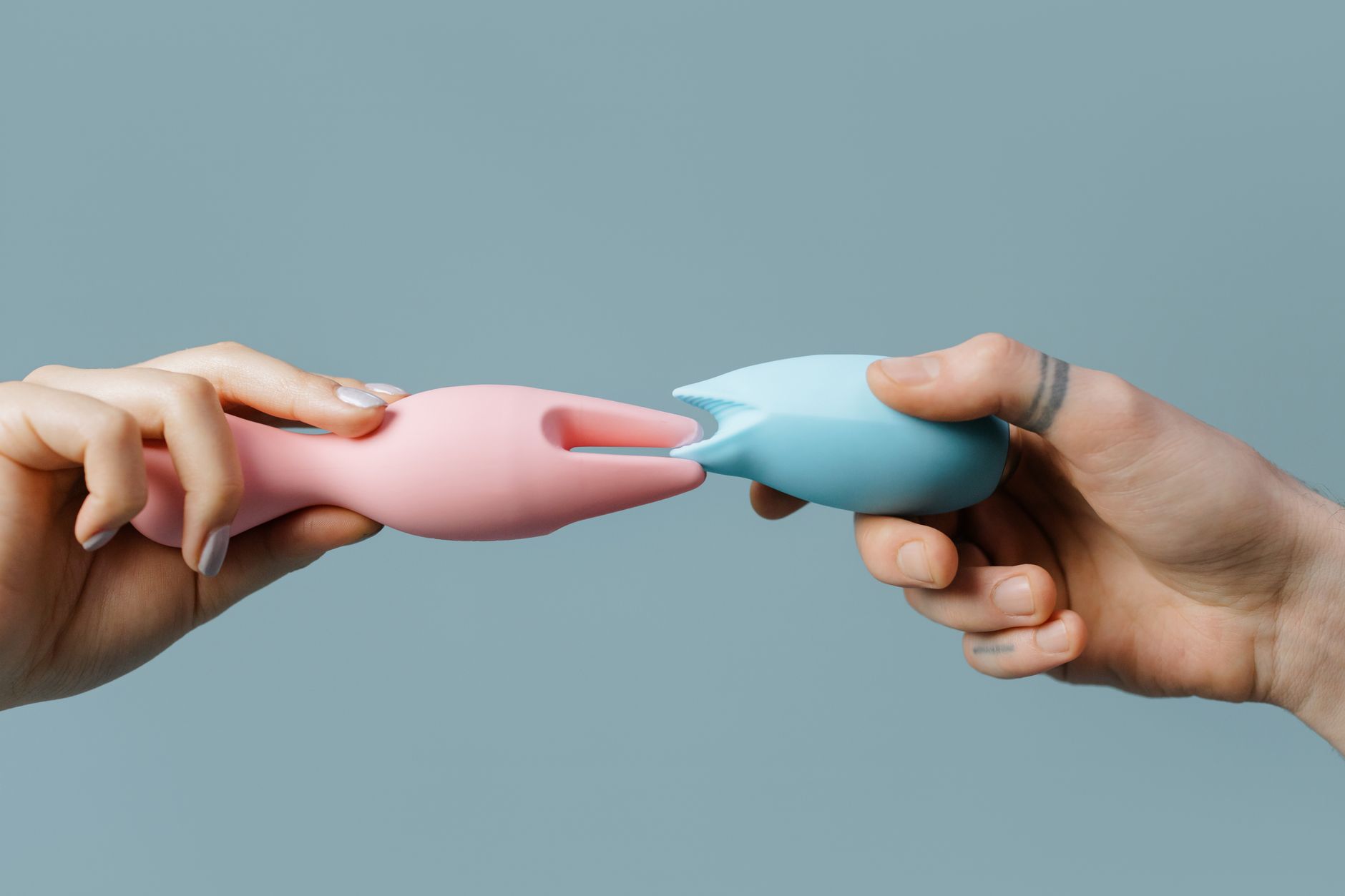
A lemon clitoral vibrator, used thoughtfully, becomes a tool for answering those questions. Not because toys fix anything. But because they give your body a low-pressure way to explore without the emotional entanglement that came before.
Why solo exploration matters after a relationship shift
When you've been partnered for years, your pleasure becomes a relational thing. It happens in context. It's shaped by what someone else finds attractive, how quickly they get bored, what they want from you in that moment.
Solo pleasure is different. It's the only context where you get to want what you want, for exactly as long as you want it, with zero obligation to perform or finish or prove anything.
For people coming out of long relationships, this can feel weirdly unfamiliar. Your body might not remember how to relax into sensation without narrating it for an audience (even an imagined one). A lem vibrator helps because it takes some of the mental load off. You're not thinking about how you look or sound. You're just noticing: what intensity actually feels good? Do I want repetition or variation? Do I need a lot of warm-up time, or does stimulation build faster now? Am I actually turned on by the same things I thought I was?
These questions sound trivial. They're not. They're the foundation for knowing yourself again.
The first few sessions: starting without pressure
I recommend beginning with no orgasm goal in mind. I know that sounds counterintuitive. But when you're relearning your own pleasure, chasing an outcome often derails the actual discovery.
Instead, set a window. Twenty to thirty minutes, alone, no interruptions, no phone. Just you and the vibrator and the willingness to feel whatever shows up.
Start with the Lem on the lowest setting. For many people, the suction sensation feels gentler and less intense than vibration, which can be helpful if your nervous system is still learning to trust pleasure again. Move it slowly around the clitoris. Notice where it feels good. Some people prefer direct contact. Others like stimulation around the sides or above, where the tissue is less sensitive.
You might orgasm. You might not. Either outcome is information, not failure.
If you don't orgasm, pay attention to what your body does like. Does it relax? Does sensation build? Does your mind wander, or do you stay present? All of this tells you something about where you are emotionally and physiologically.
Building a sustainable rhythm as desire stabilizes
After the first few explorations, patterns start to emerge. You notice you're more responsive in the morning, or late at night. You notice you need more mental space to get turned on than you did five years ago. You notice you actually prefer a certain pattern on the Lem, or that switching between settings keeps things interesting.
This is when you start building a real solo practice, not just an experiment.
Honestly, many people find that consistency matters more than intensity. Twice a week, same time, becomes a way of telling your nervous system: this is a space where your pleasure is the priority. There's no rush. No one else's timeline. Your body responds to that safety.
The Lem is particularly useful here because you can customize the experience. Start with the settings you've discovered work, then experiment with switching them mid-session. Some people find that the rhythm of variety mirrors real arousal better than staying on one setting. It keeps your attention engaged rather than letting your mind drift into distraction or self-criticism.
When desire starts connecting to partnered intimacy again
If you're thinking about opening up to partnered sex again, solo exploration with a lemon vibrator serves another purpose: it keeps you grounded in what actually feels good for you.
Many people jump back into partnered sex before they've fully reconnected with solo pleasure. That usually means they slide right back into old patterns. Old bodies, old preferences, old ways of accommodating someone else. That's not necessarily bad, but it often feels like less of a choice.
If you've spent time alone, discovering what your body wants without an audience, that knowledge travels into the next relationship. You know that you like a certain kind of warm-up. You know your orgasm isn't the point, sensation is. You know what pace actually serves you. You can communicate that from a place of knowing rather than guessing.
That's a completely different foundation.
The emotional dimension: pleasure as permission
Here's what I see most often in my practice: people who've been in relationships where desire wasn't safe. Maybe there was pressure. Maybe there was shame. Maybe there was just the constant low-level surveillance of your own pleasure through someone else's needs.
When that relationship ends, the body doesn't automatically relax. Desire comes back slowly, if at all. And when it does, it can feel like betrayal. Like you're being disloyal to the relationship, or like you're doing something wrong.
Using a lemon vibrator, alone, becomes a way of saying to yourself: my pleasure is mine. Not a performance. Not a problem to solve. Not something I owe anyone. Just mine.
That's not a small thing. That's often the actual work. The vibrator is just the container that makes it easier to practice.
When to reach out for additional support
If you're exploring solo pleasure and feeling shame, numbness, or panic, that's worth naming with a therapist who specializes in sexuality or relationships. Desire doesn't come back on a standard timeline, and sometimes it's stuck for reasons that go deeper than just "I need to rediscover myself."
If you're considering partnered sex again and your body tenses up or goes numb, that's also information worth exploring with support. Sometimes that's just nervousness. Sometimes that's your nervous system telling you that you're not actually ready, or that the person or context isn't safe.
A lemon clitoral vibrator is a wonderful tool for exploring. It's not a substitute for therapy or honest conversations with yourself about what you actually want moving forward.
But for many people, the simple act of spending time alone with their body, learning what feels good, learning that pleasure is still available to them after change. That's where healing and rediscovery actually begin.
FAQ: Desire, pleasure, and solo exploration after relationship changes
How long does it usually take for desire to return after a breakup or relationship shift?
There's no standard timeline. Some people feel desire return within weeks. Others need months or years. It depends on how long the relationship was, how the ending happened, your attachment style, and what else is happening in your life. Job stress, grief, family stuff, health challenges. All of that affects desire. Generally, if you're noticing zero sexual interest six months after a relationship ends and nothing else is going on, it's worth checking in with a therapist or doctor. But six weeks of low desire? Completely normal.
Can using a lemon vibrator make solo pleasure a substitute for partnered intimacy?
No. Solo pleasure and partnered intimacy meet different needs. One doesn't prevent the other. In fact, people who have a healthy solo practice often report better partnered sex because they're clearer about their own needs and boundaries. A lemon clitoral vibrator helps you know yourself. That knowledge makes you a better partner, not a less interested one.
What if I feel guilty using a vibrator after my relationship ends?
That guilt often comes from one of two places. Either you learned that your pleasure wasn't important, so doing it alone feels selfish. Or you're grieving the relationship and exploring pleasure feels like infidelity, even though the relationship is over. Both are worth sitting with. Guilt isn't always a signal that you're doing something wrong. Sometimes it's just an old belief loosening its grip. Notice it, maybe write about it, but don't let it stop you from exploring.
Is a lemon sucker vibrator better for solo play than for partnered use?
The Lem is genuinely versatile. Some people prefer it solo because they control exactly what happens. Others love incorporating it with a partner because it removes pressure from the partner to provide exactly the right stimulation. There's no "better." Just different contexts and preferences. Try it solo first so you know what you're working with, then decide if you want to bring it into partnered situations.
How do I know if I'm actually ready for partnered sex again?
Some signs: your body can relax during solo pleasure without spiraling into anxiety or numbness. You feel curious about sex rather than obligated. You're not using solo play to avoid dealing with the breakup. You're attracted to someone specifically, not just lonely. You trust your own judgment about what feels safe. None of these need to be perfect. But a few should be present.
What if I'm exploring solo pleasure and realizing I want something different from my next partner than my last one?
That's actually the whole point. Your body is teaching you what you actually want separate from what you thought you had to want. Pay attention. Notice it. Write it down if you want. This is real data for how you want to show up in your next relationship, whether that's next week or next year.
Closing thought
Desire after a relationship changes isn't about getting back to baseline. It's about learning who you are when no one's watching. A lemon clitoral vibrator is just a tool. But it's a tool that gives you permission to spend time with yourself without shame, without pressure, without an audience. That's where real rediscovery happens.
If you're navigating this transition, know that what you're feeling is normal. And exploring solo pleasure isn't selfish or a sign that you're not ready for connection. It's exactly how you get ready. It's how you remember that your pleasure matters, full stop.
For more on rebuilding intimacy after major transitions, check out our guide on how to use a lemon vibrator when rebuilding intimacy after years of low desire. And if you're exploring partnered dynamics after a breakup, how to use a lemon vibrator when your partner has a different orgasm timeline offers practical strategies for communication and pleasure alignment.
Questions about which lemon adult toy might work best for you? Reach out at /contact and we're here to help.