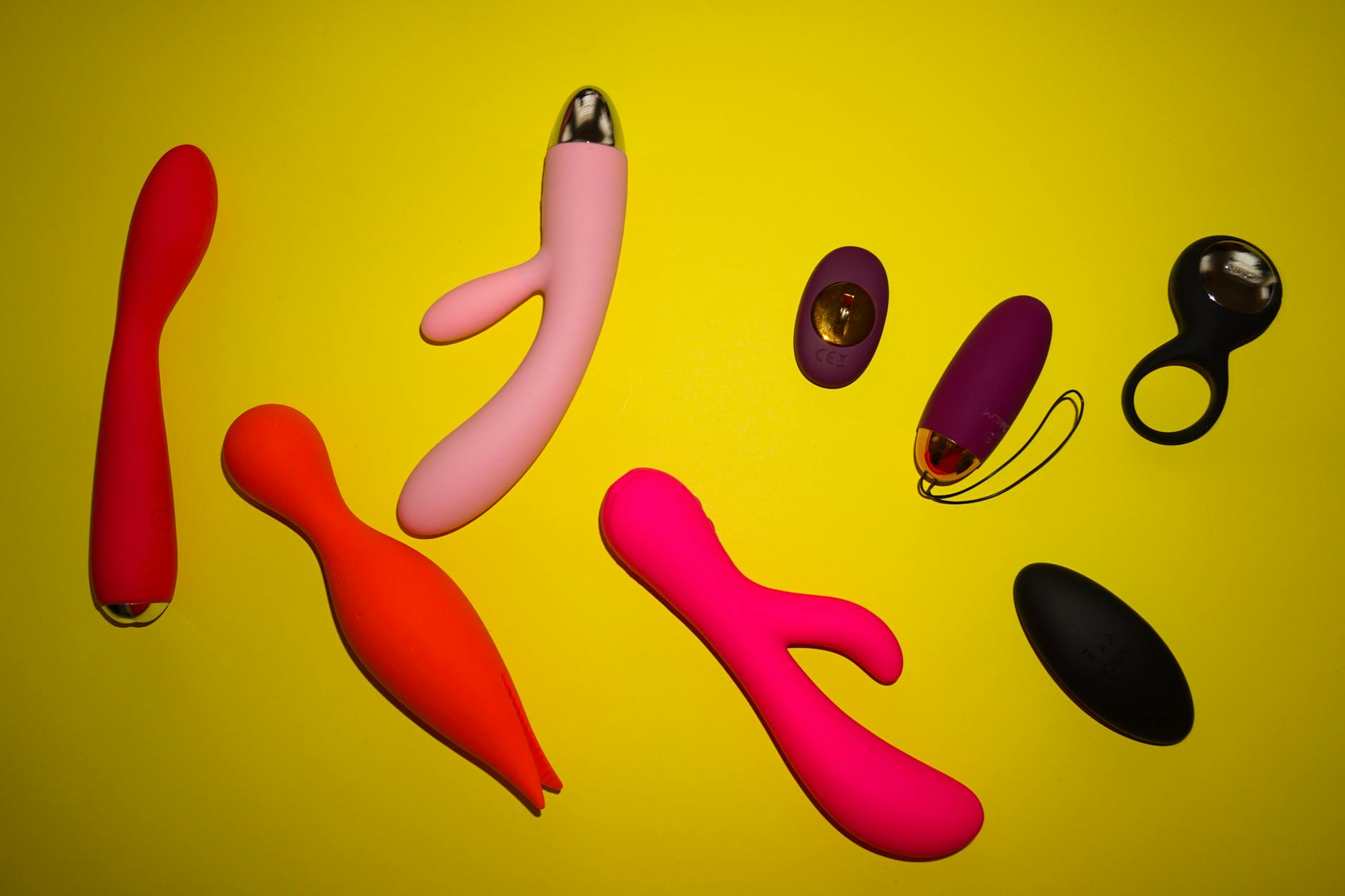
Let's name what this actually is
You haven't had pleasure in years. Maybe it was depression, relationship disconnection, health issues, medication side effects, or just life compression. The why matters less than the fact that you're here now, thinking about coming back to your body. That takes real courage.
The first time using a lemon clitoral vibrator after a long gap isn't like using one for the first time at 25. Your body has been dormant. Your nervous system might be skeptical. You might feel numb or anxious or both. This guide walks you through reactivating sensation in a way that honors where you actually are, not where you think you should be.
Why a lemon vibrator specifically for this
When you've been away from pleasure for years, your body needs stimulation that's predictable, gentle, and doesn't require you to "do" anything. A lemon clitoral vibrator like the Lem works because of how it's engineered. The suction mechanism (rather than direct vibration) creates a rhythmic pull that awakens nerve endings without the aggressive friction that can feel overwhelming when you're just starting to reconnect.
Compare this to a traditional vibrator that requires precise positioning and constant adjusting. Those become exhausting when you're rebuilding. The lemon sucker design means you press and hold. It does the work. Your only job is to notice what you feel.
Step one: Set up the actual conditions
This isn't dramatic. It's practical.
Choose a time when you won't be interrupted for 30 minutes. Alone in your bedroom with the door locked is ideal. Your nervous system needs to know it's safe before it'll wake up.
Charge your lemon vibrator fully. Nothing kills momentum like discovering the battery dies mid-use. Set it somewhere you can reach it easily.
Use a water-based lubricant. After years of dormancy, your natural lubrication might be minimal. This isn't a sign something's wrong. It's just how bodies work. Lubrication helps sensation register and prevents the friction that creates pain instead of pleasure.
Take a warm shower or bath first if it helps you relax. Warm water signals safety to your nervous system. It also increases blood flow to your genitals, which makes sensation easier to access.
Step two: Start without the vibrator
Honestly though, most people skip this and regret it.
Spend 5-10 minutes touching yourself with your hands. No goal. Not trying to get aroused. Just noticing what happens when you make contact. Does your skin feel numb? Hypersensitive? Somewhere in between? This baseline matters because it tells you where your body actually is right now.
If you feel nothing at all, that's normal after years of absence. Your nerve endings are there, but the neural pathways connecting them to your brain need reactivation. This takes multiple sessions, not one.
If you feel overstimulated or anxious, pause. Breathe. Notice where the anxiety lives in your body. Sometimes it's in your chest. Sometimes your legs go tense. Just observe it without judgment.
Step three: Turn on the lemon vibrator, start low
Most modern lemon clitoral vibrators have multiple intensity levels. Start at pattern one (the gentlest). This is not wimpy. This is you meeting your body where it actually is.
Hold the vibrator near your clitoral area without full contact first. Hover it a half-inch away. Let your body adjust to the sensation without pressure. This takes the anticipatory anxiety down and lets your nervous system acclimate.
After a minute or two, make gentle contact. The suction pattern should feel like a soft, rhythmic pull. Not painful. Not overwhelming. If it is either of those things, back off.
Don't try to orgasm. Seriously. This is where most people torpedo the process by turning this into a performance, which replicates the exact pattern that shut down pleasure in the first place. You're here to notice sensation. That's the entire goal of sessions one through five.
Step four: Notice without forcing
This is the hardest part because you might feel nothing for a while, and that feels like failure.
It's not. Your body is rebooting. Sensation after years of dormancy sometimes feels like a faint tingle. Sometimes it feels like a slight warm sensation. Sometimes it feels like electric pins. All of these are your nervous system waking up.
If you feel genuine pain (sharp, burning, or localized), stop. Pain is information that something's wrong. Check in with yourself. Is the vibrator too intense? Is your pelvic floor clenched? Are you anxious? Address the actual thing causing pain rather than pushing through it.
If you feel numb, stay with it for 3-5 more minutes, then stop. You're building awareness. Numbness will usually decrease across sessions as your nervous system becomes less defended.
A typical first session lasts 10-15 minutes total. Not because you need to reach some milestone, but because your body's reactivation system has a natural processing limit. More is not better here.
Step five: Notice what happened after
This matters as much as the session itself.
After you stop, lie still for 2-3 minutes. Notice your heartbeat. Notice if your breathing changed. Notice if you feel more or less anxious than when you started. Notice if there's any residual sensation, however faint.
Write this down. Not because you need to journal your feelings, but because your brain will forget details that tell you what's actually happening in your nervous system. After session one, session two might feel the same. But written notes will often show you that you felt slightly less numb, or that your heart rate increased faster, or that anxiety dropped 15 minutes earlier.
These tiny shifts are real progress.
The timeline for rebuilding sensation
Here's what usually happens.
Sessions one through three: Mostly numb or faint tingling. Possibly some anxiety. This is your nervous system determining if pleasure is safe again.
Sessions four through eight: Sensation gradually intensifies. You might notice your body responding faster to the vibrator. Arousal might start to build, but don't chase it.
Session nine onward: Genuine pleasure becomes possible. Orgasm might happen. It might not. Both are fine. The point is that your body has reactivated enough that pleasure is now physiologically accessible.
Some people follow this timeline exactly. Others take longer. Medications, health conditions, relationship stress, and past trauma all affect how quickly sensation returns. Patience isn't optional. It's the actual treatment.
Common hiccups and what they actually mean
You feel anxious during the session. Your nervous system learned that pleasure wasn't safe. It's protecting you. This usually softens with repetition, but you can also try shorter sessions (5 minutes instead of 15) until anxiety decreases.
You start to feel something, then go numb again. Your nervous system got scared. Totally normal. Pause, breathe, then try again next time. You're literally rewiring threat responses.
You orgasm on session two and then nothing for five sessions. Your body had a capacity burst, then needs recovery time. This is fine. Keep going.
Your partner asks why it's taking so long. This is relationship territory, not vibrator territory. If you haven't already, reference how rebuilding physical intimacy when touch aversion blocks pleasure involves explicit communication about timelines. Your partner needs to understand that your body is healing, not broken.
When sensation returns but feels weird
Sometimes pleasure comes back but it doesn't feel like it used to.
It might feel more concentrated. It might feel less intense. It might come and go. This isn't wrong. Your body has changed, your nervous system has changed, your hormones have changed. The experience of pleasure shifts across our lifetimes. Trying to recreate the exact sensation from 10 years ago is like asking your taste buds to enjoy foods the same way they did in your twenties.
The goal isn't to return to how it was. The goal is to reconnect with pleasure in the form it takes now. Sometimes that's actually richer.
What to do in weeks three through six
Once you've had a few sessions and sensation is starting to register, you can start playing with variables.
Try slightly higher intensity levels on the lemon vibrator. Explore different positions. Maybe add a water-based lubricant to the outside of the device for smoother contact. Notice how your body responds to these changes.
Don't add complexity all at once. One variable per session. This keeps your nervous system from getting overwhelmed and also helps you understand what actually feels good versus what you think you're supposed to enjoy.
If you have a partner, you might start to consider including them at this point. But read through how to use a lemon vibrator when your partner thinks toys mean they're not enough first. Partner involvement changes the dynamic significantly, and you want to protect the solo reclamation work you've already done.
FAQ
Will a lemon clitoral vibrator feel different after years of absence?
Yes and no. The vibrator itself functions the same way. But your body's ability to feel it will be different. Sensation often feels fainter at first, then gradually strengthens. This is normal and temporary.
How many times a week should I use it?
Two to three times weekly is usually ideal for rebuilding sensation. More than that can desensitize you further. Less than twice weekly slows the nervous system's reactivation. Consistency matters more than frequency.
What if I use a lemon vibrator and feel more numb afterward?
This can happen if you've pushed too long, used too high an intensity, or your nervous system needed less stimulation that day. Shorter sessions and lower intensities usually solve this. If numbness persists across multiple sessions, check in with your doctor about underlying health factors.
Can I use a lemon vibrator if I'm on antidepressants or anxiety medication?
Yes. Some medications affect sensation or arousal, but that doesn't mean the vibrator won't help. It might take longer for sensation to return, and the pathways might feel different, but pleasure is still accessible. Your doctor can advise on whether your specific medication typically affects sexual response.
Should I tell my partner I'm using a lemon vibrator?
That depends on your relationship agreements. If you're in a monogamous partnership where sexual activities are typically shared, transparency usually strengthens trust. If you're single or your relationship has different agreements, you're the only person who needs to know. Either way, this is about rebuilding your own relationship with pleasure first.
What if I still feel nothing after eight sessions?
Check three things: Are you using adequate water-based lubricant? Are you choosing a time when you're genuinely relaxed? Is there underlying health stuff (medications, hormonal changes, medical conditions) that might be interfering? If those are all aligned and sensation still isn't returning, a conversation with your doctor is worth having to rule out any physical factors.
You're allowed to come back to this
Rebinding with pleasure after years of absence isn't linear. Some weeks your body will respond quickly. Other weeks you'll feel like you're starting over.
This isn't failure. This is how nervous systems actually work when they're healing. Keep the lemon vibrator accessible, keep the water-based lubricant handy, and keep showing up for yourself. Your body is learning again that pleasure is safe. That takes time, but it absolutely comes back.