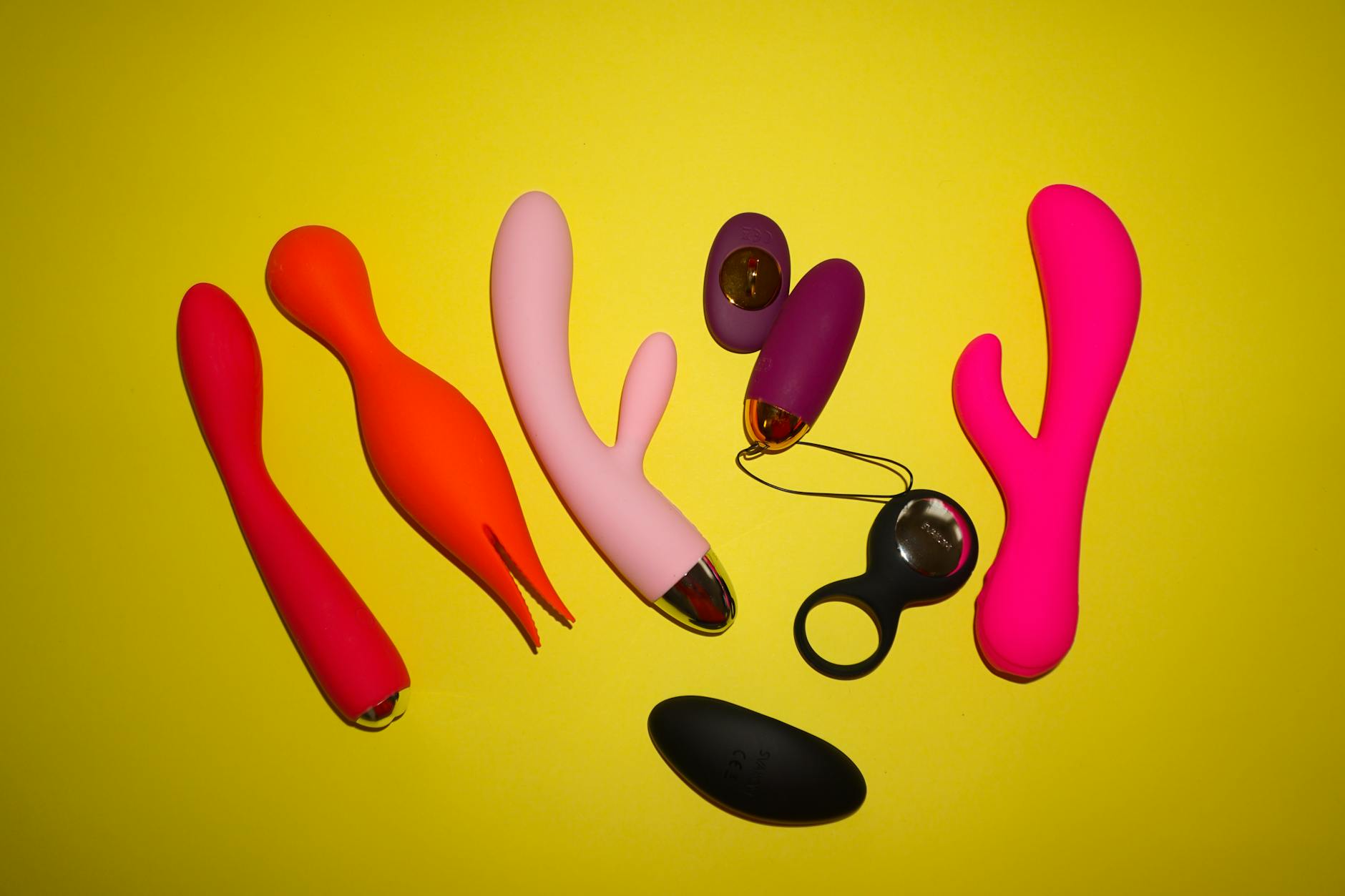
Here's the thing about clitoral sensitivity
Not all intense sensations feel good. Some feel like too much. If you've ever found that a traditional vibrator feels harsh, scratchy, or overwhelming on your clitoris, you're dealing with something real. It's not low desire. It's not dysfunction. It's actually a sign that your nerve endings are doing their job a bit too well.
That's where the science of suction changes everything. Unlike vibrators that rely on rapid back-and-forth motion, a lemon clitoral vibrator uses gentle suction to stimulate without direct contact. For people who find standard vibration too intense, this shift alone can make pleasure accessible again.
Why direct vibration can feel overwhelming
Your clitoris has roughly 8,000 nerve endings concentrated in a space the size of a pea. That density is what creates intense sensation, but it also means overstimulation happens faster than you'd expect. Traditional vibrators apply that stimulation directly to the tissue, which works brilliantly for some people and feels like static electricity for others.
The sensation is often described as: too sharp, too surface-level, numbing, or even slightly painful. Some people notice that after a few minutes, the intensity actually decreases because the nerves are being flooded faster than they can process signal. Your brain essentially says, "Too much input," and shuts down responsiveness.
This is especially common if you've been using strong vibrators, if you're recovering from clitoral desensitization, or if your clitoris just happens to be wired for precision over intensity. None of these are problems. They're just useful information.
How suction-based stimulation feels different
A lemon vibrator uses gentle air-pulse technology. Instead of vibrating against tissue, it creates a rhythmic suction pattern that draws the clitoral hood slightly inward and releases. The stimulation happens indirectly, through the tissue surrounding the clitoris, rather than on it directly.
The sensation is often described as: warm, enveloping, building gradually rather than hitting all at once, and remarkably precise. You can feel exactly where the stimulation is happening without that sharp or numb quality of direct vibration.
Because suction works through gentler air movement rather than mechanical vibration, it's also easier to control the intensity by adjusting where you position the device and how much of the clitoral area is being drawn into the opening. This gives you micro-level control that traditional vibrators simply don't offer.
Many people report that after switching to a lemon sucker approach, they can actually feel arousal building more naturally. Instead of an on-off switch, it's a dial.
Positioning for comfort when you're sensitive
The position matters far more with suction than with vibration. Here's what I recommend starting with.
First, place the opening of the lemon vibrator over the clitoral hood rather than directly over the clitoris. The hood is less sensitive than the glans itself, and this positioning allows the suction to stimulate the whole area without concentrated pressure on the most sensitive part.
Second, don't fully seal it to your body right away. Leave a tiny gap between the device and your skin so air can flow more freely. This reduces the intensity and also prevents the uncomfortable "stuck" sensation that can happen with a tight seal.
Third, angle it slightly rather than directly perpendicular. This spreads the suction across a wider area of tissue and makes the sensation feel less concentrated and more diffuse.
Start on the lowest setting. Most lemon clitoral vibrators have 3 to 5 intensity levels. Level 1 is almost always gentler than you expect. If level 1 feels okay, you can explore upward from there. You can always turn it up. You can't easily un-overstimulate a sensitive clitoris mid-session.
Building arousal when direct stimulation has numbed you
If you've been using intense vibrators for years, your nerve endings may need some retraining. This isn't permanent, but it does take intention.
Start with a lemon vibrator on setting 1 or 2 and use it for shorter bursts. Ten minutes at low intensity is better than 30 minutes of fighting against numbness. Your nervous system will respond faster if you're not exhausting the input.
Take breaks. Stimulate for two minutes, pause for 30 seconds, then return. This breaks the numbness cycle and helps your nerves reset between pulses.
Pair it with other sensations. Touch your breasts, kiss your neck, use your other hand elsewhere. Suction works best when arousal is already moving through your body. It's a catalyst, not the only ingredient.
Be patient with timing. When you've been desensitized, the first few sessions with a gentler approach might feel less intense than you're used to. That's the point. Stick with it for at least five sessions before you decide it's not working. Nerve sensitivity rebuilds faster than you'd think.
When to increase intensity and when to stay low
One of the most common mistakes is assuming that if lower intensity feels "less," you need to crank it up. That's backwards.
If you're feeling warmth, a gentle tingling, or a building sense of sensation within the first 5 to 10 minutes, your intensity is probably right. Keep it there. Let arousal compound.
If after 15 minutes you're not feeling much of anything, then yes, move to setting 2. But do this deliberately. Step up one level and wait another 10 minutes before deciding whether it's better.
If at any point it starts to feel sharp, numb, or overwhelming, go back down. Your nervous system is giving you real feedback. The lemon clitoral vibrator is powerful precisely because it's responding to that feedback, not fighting against it.
Many people find their sweet spot is actually setting 2 or 3 on a five-level device. They never "need" the maximum intensity. That's perfectly normal and suggests your nervous system prefers precision to brute force.
Combining suction with other sensations
Unlike vibrators that work best alone, a lemon vibrator integrates beautifully with other touch because it doesn't require your full attention to prevent overstimulation.
Use your other hand on your inner thigh or labia while the lemon vibrator works on your clitoris. The varied sensation actually sharpens arousal rather than diluting it.
Alternate between the lemon vibrator and your partner's mouth or hands. Two minutes of suction, then switching to tongue work, then back to the device. This pacing prevents numbness and keeps sensation novel.
If you have a partner, they can control the positioning while you focus on relaxation. Often the person holding the device can find micro-adjustments that feel better than you'd discover on your own.
Lubricant helps too, even with suction. A little water-based lube around the opening of the device reduces friction and makes the seal feel less clinical. It also signals to your nervous system that you're moving into pleasure mode, not clinical mode.
Pacing across multiple sessions
If you're recovering from desensitization or switching from intense vibration to suction, your arc across sessions matters.
Week one: Introduce the device on low settings for short periods. Five to 10 minutes per session, every other day if you can. The goal is familiarity, not orgasm.
Week two: Extend slightly to 10 to 15 minutes if it's feeling good. Start exploring whether arousal is building more naturally. You might notice your body responding in ways it hasn't in months.
Week three and beyond: Let your body tell you what it needs. Some people find their sweet spot at 15 minutes on setting 2, twice a week. Others eventually work up to longer sessions and higher intensity. There's no target you need to hit.
The most important metric isn't the orgasm. It's whether you're feeling pleasure again, and whether that pleasure feels accessible rather than forced.
When sensitivity might signal something else
If your clitoris is newly sensitive and it wasn't before, pay attention. Sudden changes can signal hormonal shifts, skin irritation, or sometimes early signs of genitourinary syndrome of menopause (GSM) or dermatological conditions.
If sensitivity is paired with pain, itching, or unusual discharge, see a gynecologist before trying a new device. A lemon vibrator won't cause these issues, but using it when an underlying condition is present might make things worse.
If you're on medications that affect sensation (SSRIs are the most common), sensitivity changes aren't unusual. This is actually a good reason to try a suction-based device. Many people find that when traditional vibrators stopped working after starting antidepressants, a lemon clitoral vibrator reignites responsiveness in ways other approaches haven't.
People also ask
How do I know if my clitoris is too sensitive for regular vibrators?
You'll typically notice that traditional vibrators feel sharp, scratchy, or numbing rather than building pleasure. You might find yourself needing to take breaks because the sensation becomes overwhelming quickly. If you're experiencing pain, extreme discomfort, or vibration actually making you less aroused over time, sensitivity is probably the culprit. A lemon vibrator's gentler suction approach can help you figure out whether you genuinely prefer precision to intensity.
Can a lemon sucker help if I've been desensitized by strong vibrators?
Yes, and it's one of the most common reasons people make the switch. When your clitoris has been exposed to high-intensity vibration for years, the nerve endings can become less responsive. A lemon vibrator applies gentler, more diffuse stimulation that allows those nerves to reset. You typically see results within two to three weeks of consistent use, but patience is essential. You're retraining your nervous system, not just using a toy.
What's the difference between suction and vibration on sensitive tissue?
Vibration applies rapid mechanical movement directly to tissue. Suction creates rhythmic air pressure that stimulates indirectly, through the surrounding area. For sensitive clitorises, suction feels enveloping and warm rather than sharp and invasive. It also gives you more positional control, which means you can dial intensity up or down by changing where and how you position the device.
Do I need lubricant with a lemon vibrator if I'm sensitive?
You don't strictly need it, but a tiny amount of water-based lube around the opening can help. It reduces friction, makes the seal feel less clinical, and signals to your body that pleasure is the goal. Some people find that lube helps them relax more, which paradoxically makes sensation feel sharper and more accessible.
How long does it take to rebuild clitoral sensitivity with a lemon clitoral vibrator?
If you're recovering from desensitization, expect noticeable improvement within two to three weeks of 2 to 3 sessions per week on low settings. Full sensitivity rebuilding typically takes 4 to 8 weeks, depending on how desensitized you were and how consistently you're using the device. The key is patience and resisting the urge to turn up intensity too quickly.
Can I use a lemon vibrator if I have clitoral pain or vestibulodynia?
It depends on the source of the pain. If pain is localized to the vestibule or the opening of the vagina, a lemon vibrator designed to stimulate the clitoris indirectly might work. If the clitoris itself is painful to any touch, hold off until you've seen a gynecologist trained in pelvic pain. You don't want to reinforce pain pathways by overstimulating tissue that's already signaling distress.
The shift from intensity to precision
One of the biggest insights clients share is that switching from traditional vibrators to a lemon clitoral vibrator isn't about settling for less sensation. It's about shifting from brute-force intensity to precision and control.
You get to decide exactly where stimulation happens, how long it lasts, and how fast arousal builds. That control, paradoxically, is often more satisfying than raw intensity. Your nervous system can relax because you're not fighting against overstimulation. Arousal compounds naturally instead of spiking and plateauing.
If direct vibration has stopped working for you, or if it never worked to begin with, that's not a sign that something's wrong with your body. It's an invitation to find out what does work. For many people with clitoral sensitivity, that answer is suction.
If you want to explore this further or have questions about whether a lemon vibrator might fit your situation, reach out. That's what we're here for.