When sex hurts, everything else stops too
Let's be real. Pain during sex doesn't just affect the physical act. It creates a wall between you and your partner. It makes you dread intimacy instead of crave it. It tells your nervous system that the thing that's supposed to feel good is dangerous. And once your body learns that lesson, trust gets harder to rebuild.
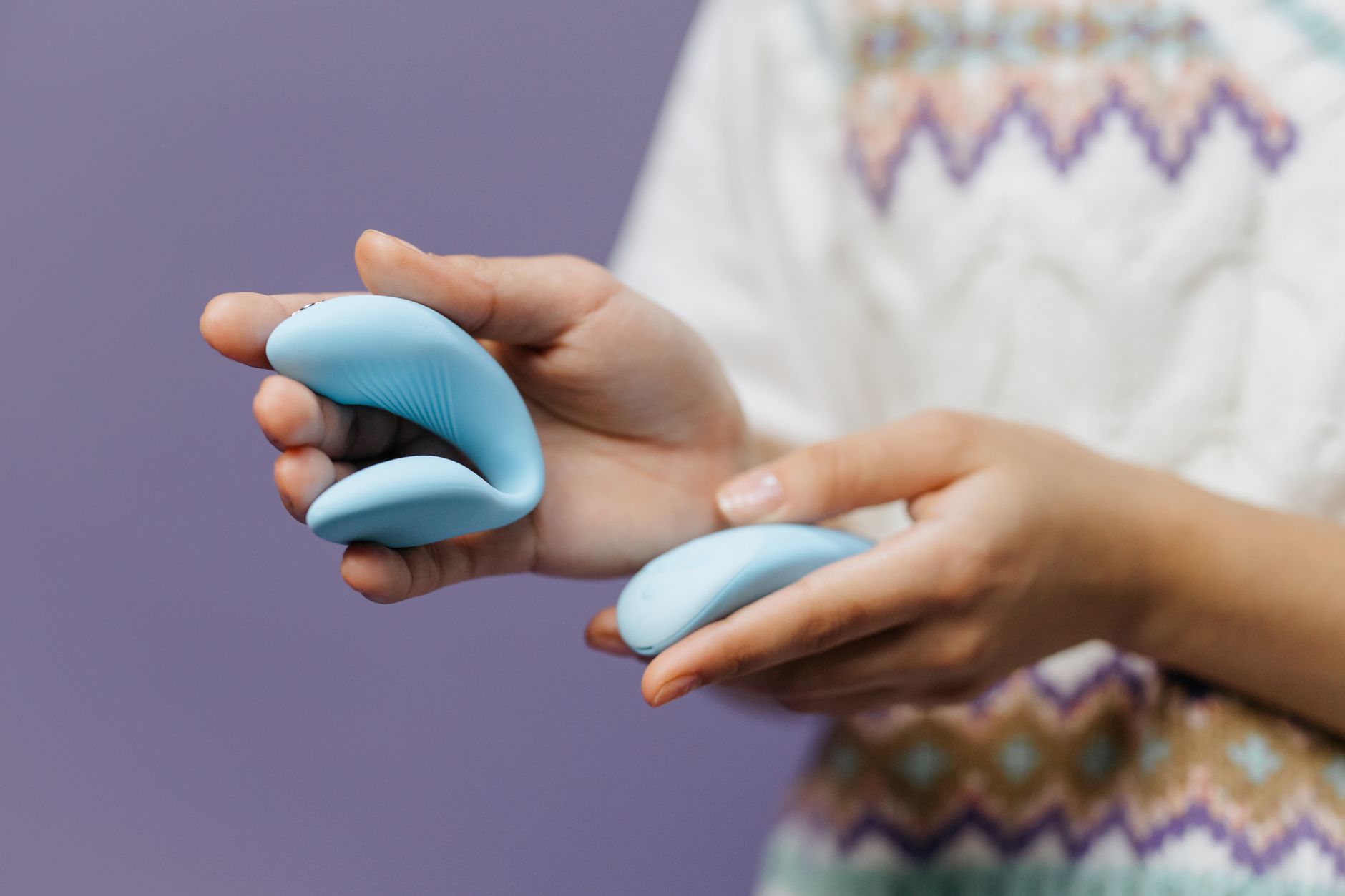
But here's what I've seen work for hundreds of couples I've worked with: shifting focus away from penetration entirely, at least temporarily, and rediscovering pleasure through external stimulation. A lemon vibrator, specifically, can be the reset button that lets you experience sensation without fear.
Why pain disrupts more than just the physical connection
Pain during sex, whether it's sharp or dull, creates what we call anticipatory anxiety. Your brain learns to tense up before penetration even happens. Your pelvic floor, which should relax to accommodate, does the opposite. This creates a feedback loop: tension leads to more pain, which leads to more tension. The longer this cycle runs, the more disconnected you feel from pleasure itself.
What many people don't realize is that this isn't just a physical problem. It's neurological and relational. Your partner may feel guilt, rejection, or helplessness. You may feel shame or frustration. The intimacy that sex was supposed to build becomes a source of conflict instead.
This is where clitoral vibrators like the Lem come in. By focusing on pleasure that doesn't require penetration, you're not just avoiding pain. You're retraining your nervous system to associate your body with sensation instead of suffering.
The three types of sexual pain and how clitoral pleasure helps
Dyspareunia (pain with penetration) is the most common. It can stem from endometriosis, pelvic floor tension, scar tissue, or hormonal changes. Vaginismus is involuntary muscle tension that makes penetration feel impossible. Vulvodynia is chronic pain in the vulvar area that may or may not be triggered by touch.
All three respond differently to treatment, and you absolutely need to see a pelvic floor physical therapist or gynecologist if you haven't already. But while you're working through that, external clitoral stimulation offers something immediate: pleasure that doesn't trigger pain.
A lemon clitoral vibrator works through suction and gentle pulsing, not friction. This means it stimulates the clitoral nerves without the mechanical pressure that can aggravate painful tissue. You get full-body arousal, real orgasms, and the neurological reset your system needs. Your partner gets to participate in your pleasure instead of being sidelined by pain.
How to introduce a clitoral vibrator into your physical recovery
If pain during sex is new, start solo. You need to know what feels good without performance pressure or your partner's emotional response in the room. Use a water-based lubricant even if you don't think you need it. Your body may be tense and underaroused because of the pain history. Lubrication removes friction and signals to your nervous system that this is safe.
Begin with the lowest setting on your lemon vibrator. The Lem's patterns start gentle and build, which is ideal for bodies that have learned to brace against sensation. Spend time just feeling, without the goal of orgasm. This sounds obvious, but I can't overstate how many people skip this step and go straight to trying to come. Your goal is to teach your body that pleasure is possible.
When you're ready to include your partner, start with them present but not involved. Let them sit with you. Let them watch. This builds their confidence that they can be part of your pleasure without causing pain. Many partners carry deep guilt about painful sex. Seeing you experience genuine pleasure, especially pleasure that doesn't require them to do anything that might hurt you, is profoundly relieving.
Then, if you want, involve them. They can hold the vibrator. They can kiss your neck while you use it. They can be the one to initiate. The specific act matters less than the fact that you're reclaiming pleasure as something that belongs to both of you.
Reframing intimacy when penetration is off the table
Here's a conversation I have with almost every couple dealing with sexual pain: penetration is not the only valid form of sex. I know that sounds obvious written out. But in practice, many couples have built their entire sexual identity around it. When it stops being an option, they feel like their sex life has ended.
It hasn't. It's just changed.
Clitoral stimulation, with or without a partner, produces real orgasms. Studies show that clitoral orgasms are often more intense than penetrative ones, especially for people with vulvas. External stimulation is also the fastest way to orgasm for most bodies. You're not settling for a "lesser" form of sex. You're actually doing something most sex research suggests is more efficient and more pleasurable.
Talk with your partner about what "sex" means now. Maybe it's you using your lemon vibrator while they touch you elsewhere. Maybe it's them using the vibrator on you while you focus on connection. Maybe it's you having your pleasure first, without pressure, and then moving into what feels good for them. The script is not fixed. You get to write it.
The pelvic floor work that makes pleasure feel safer
Pain during sex almost always involves some level of pelvic floor tension, even if it's not the original cause. Your pelvic floor muscles, which should be able to relax completely, get stuck in a protective clench. A pelvic floor physical therapist can assess whether you need to relax these muscles (most common) or strengthen them (less common).
While you're working with a physical therapist, clitoral vibration can actually support the healing. Here's why: when you experience pleasure and orgasm, your pelvic floor learns what full relaxation feels like. You're essentially retraining these muscles through pleasure rather than pain. This is one of the most effective ways to break the tension cycle.
Use your lemon vibrator during any relaxation exercises your therapist recommends. The combination of physical therapy plus pleasure-focused stimulation works faster than therapy alone.
When to pause vibrator use and check in with your doctor
If using a clitoral vibrator causes pain, stop and see your doctor. Pain is information. It's telling you something is wrong, and it needs to be evaluated by someone trained to assess your specific situation.
Similarly, if you're experiencing pain during sex but haven't been evaluated by a gynecologist, do that before you start any pleasure-focused work. Some causes of sexual pain, like infections or cysts, need medical treatment. Others, like hormonal imbalances, need specific interventions. You can't heal what you haven't identified.
Once you've ruled out medical issues, a combination of pelvic floor physical therapy, mental health support (if needed), and pleasure-focused exploration usually works. A lemon vibrator is part of that toolkit, not the whole toolkit.
Rebuilding trust with your partner through pleasure
One of the most surprising things that happens when couples move through sexual pain together is that their relationship often deepens. Not because the pain goes away, but because they learn to communicate about vulnerability, desire, and boundaries.
When you use a clitoral vibrator together, you're essentially saying to your partner: I trust you to support my pleasure. I trust you to be present when I'm experiencing sensation. I trust you not to pressure me. That kind of vulnerability, when met with respect, builds intimacy that penetration alone can never create.
If your partner hasn't been supportive, or if they've made your pain about their own needs, that's a separate conversation. Sometimes pain in relationships reflects deeper disconnection. A therapist specializing in couples work can help you untangle what's physical and what's relational. Both matter. Neither should be ignored.
Your pleasure belongs to you. Your body's healing belongs to you. A lemon clitoral vibrator is a tool to help you reclaim both. Use it. Enjoy it. Let your partner see you experience joy. That's how trust rebuilds.
FAQ: Painful Sex and Clitoral Pleasure
Why does a lemon vibrator feel safer than penetration when I'm experiencing pain?
A lemon clitoral vibrator stimulates nerve endings through suction and gentle vibration, not pressure or insertion. It bypasses the areas that might be painful or sensitive, and it doesn't trigger the anticipatory anxiety that often comes with penetration. Your nervous system learns that this specific sensation is safe and pleasurable, which can gradually reset your overall response to touch.
Can using a clitoral vibrator while I have sexual pain make the pain worse?
Not if you're using it correctly. Start on low settings, use lubrication, and go slowly. If vibration causes pain, stop and talk to your doctor. But many people find that gentle clitoral stimulation actually helps relax the pelvic floor over time, especially if combined with physical therapy. Pain with a vibrator is different from pain with penetration and needs to be evaluated separately.
Should I tell my partner I'm using a vibrator to manage painful sex?
Yes, eventually. You might start solo to build your own confidence, but a partner who's been affected by painful sex deserves to know you're taking steps to address it. Frame it as something that will help you both reconnect, not as something he or she did wrong. Many partners actually feel relieved to learn there's a tool that can help.
How long does it typically take to rebuild pleasure and intimacy after painful sex?
There's no universal timeline. If pain is caused by a treatable condition like an infection, relief can come quickly. If it's structural or hormonal, you might need months of physical therapy plus pleasure work. Relational healing takes longer. Most couples report noticeable improvement in comfort and connection within six to eight weeks of consistent, intentional practice.
Is clitoral stimulation alone enough, or do I still need penetration?
Clitoral stimulation is completely valid on its own. Many people experience their most intense orgasms from external stimulation alone. Some couples find that rebuilding pleasure without penetration pressure actually deepens their intimacy. Penetration may return as an option later, or you may find you don't need it. Either outcome is fine.
What if my partner feels inadequate because I need a vibrator?
This is a conversation worth having before resentment builds. Explain that the vibrator isn't a replacement for him or her. It's a tool that allows you both to experience pleasure safely. Many partners actually enjoy being involved. The vibrator frees you both from the pressure of making penetration work and opens up new ways to be intimate. Frame it as expanding what's possible, not replacing what was.
Moving forward: your pleasure is part of your healing
Sexual pain is isolating. It tells you your body is broken, that intimacy is dangerous, that something is wrong with you. None of that is true. What's true is that your nervous system learned to protect you by tensing up. And what your system learned, it can unlearn.
A lemon clitoral vibrator won't fix the underlying cause of your pain. You need medical evaluation and likely physical therapy for that. But it can help you reconnect with pleasure while you're healing. It can help your partner understand that your body is capable of joy. It can help both of you remember why you wanted to be intimate in the first place.
Your pleasure matters. Your healing matters. And you're allowed to pursue both at the same time. Start with where you are. Talk to your doctor. See a pelvic floor specialist. And then, when you're ready, experience what external clitoral pleasure can do for you.
If you'd like to talk through your specific situation, reach out. I'm here to help you rebuild intimacy, one conversation at a time.