Let's be real about what happens
After seven years, twelve years, or twenty years together, you notice something. Your partner walks past you in the morning and you feel. Nothing. Or worse, you feel the ghost of what used to be there. You remember being attracted to them. You can access the memory like an old photo. But the feeling itself? It's gone.
This isn't a failure. It's not evidence that you picked the wrong person. It's actually one of the most common inflection points in long-term relationships, and almost nobody talks about it honestly. The cultural narrative is either "it gets better with time" or "you're stuck with someone you're not attracted to anymore." Both miss the actual mechanism.
What really happens to desire over time
Desire doesn't die in long-term relationships. It transforms. And if nobody tells you how, it looks like death.
In the early phase, attraction runs on novelty and mystery. You don't know your partner yet. Their body is new. Their moods are surprising. Their preferences feel like puzzles. This phase generates what we call "limerent attraction." It's intense, involuntary, and it's fueled by not knowing.
After years together, you know your partner completely. You know their schedule, their anxieties, their grocery list preferences, the way they breathe when they're stressed. That mystery is gone. And here's the hard part: our brains are wired to stop paying attention to things we know completely. It's not betrayal. It's neurology.
But here's what culture doesn't tell you. The loss of mystery can be replaced with something else. Depth, intention, and genuine choice. The problem is nobody teaches you how.
Why attraction actually fades (and it's not what you think)
It's not usually about aging bodies. Yes, bodies change. But the couples I've worked with who maintain desire across decades aren't the ones with personal trainers and perfect skin. They're the ones who stayed curious.
Attraction fades for three real reasons:
First: predictability replaces attention. You stop looking at your partner because you think you already know what you'll see. You touch them from habit, not from wanting to touch them. You have sex on Tuesdays because that's the day you scheduled it, not because you woke up hungry for them. Predictability is comfortable. It's also a slow fade to invisibility.
Second: you stop creating novelty together. This doesn't mean swinging or role play (though some couples find that valuable). It means you stopped doing things that make either of you feel alive. You stopped learning together, traveling, laughing at new things, being embarrassed in front of each other. You became efficient partners sharing a life, not lovers exploring one.
Third: one or both of you stopped feeling worthy of desire. This one's sneaky. After years of managing a household, raising kids, grinding through work, or dealing with health stuff, many people unconsciously decide they're not attractive anymore. They stop trying. They stop believing their partner could want them. And their partner, reading that belief, starts to believe it too. Desire follows belief. Always.
How attraction actually reignites
Here's what works, because I've seen it hundreds of times.
Reintroduce intentional touch. Not sex necessarily. Touch that has no agenda. A five-minute hand massage. Holding hands while watching something. Kissing without expecting it to lead anywhere. You're training your nervous system to remember that this body belongs to someone you want close. This sounds simple. It's not, because it means slowing down in a life built around speed.
Create small mysteries. Wear something they haven't seen. Suggest a date to somewhere new. Ask them a question you haven't asked in five years. Read something and tell them about it. Curiosity is the engine of attraction. When you stop being curious about your partner, they become furniture. Feed the curiosity back intentionally.
Feel desire for yourself first. This is non-negotiable. If you don't feel attractive, your partner won't either. This doesn't mean vanity. It means moving your body in ways that feel good. Wearing things that make you feel like yourself. Taking up space. People who feel desirable radiate something that's impossible to fake. Your partner will feel it.
Actually talk about it. Not "I'm not attracted to you anymore," which is a death sentence. But "I miss feeling close to you" or "I want to feel that thing we used to feel." Shame kills desire faster than anything. Honesty about missing it can resurrect it.
Tools that help when attraction needs help
Sometimes intention alone isn't enough. Sometimes your body needs a reset.
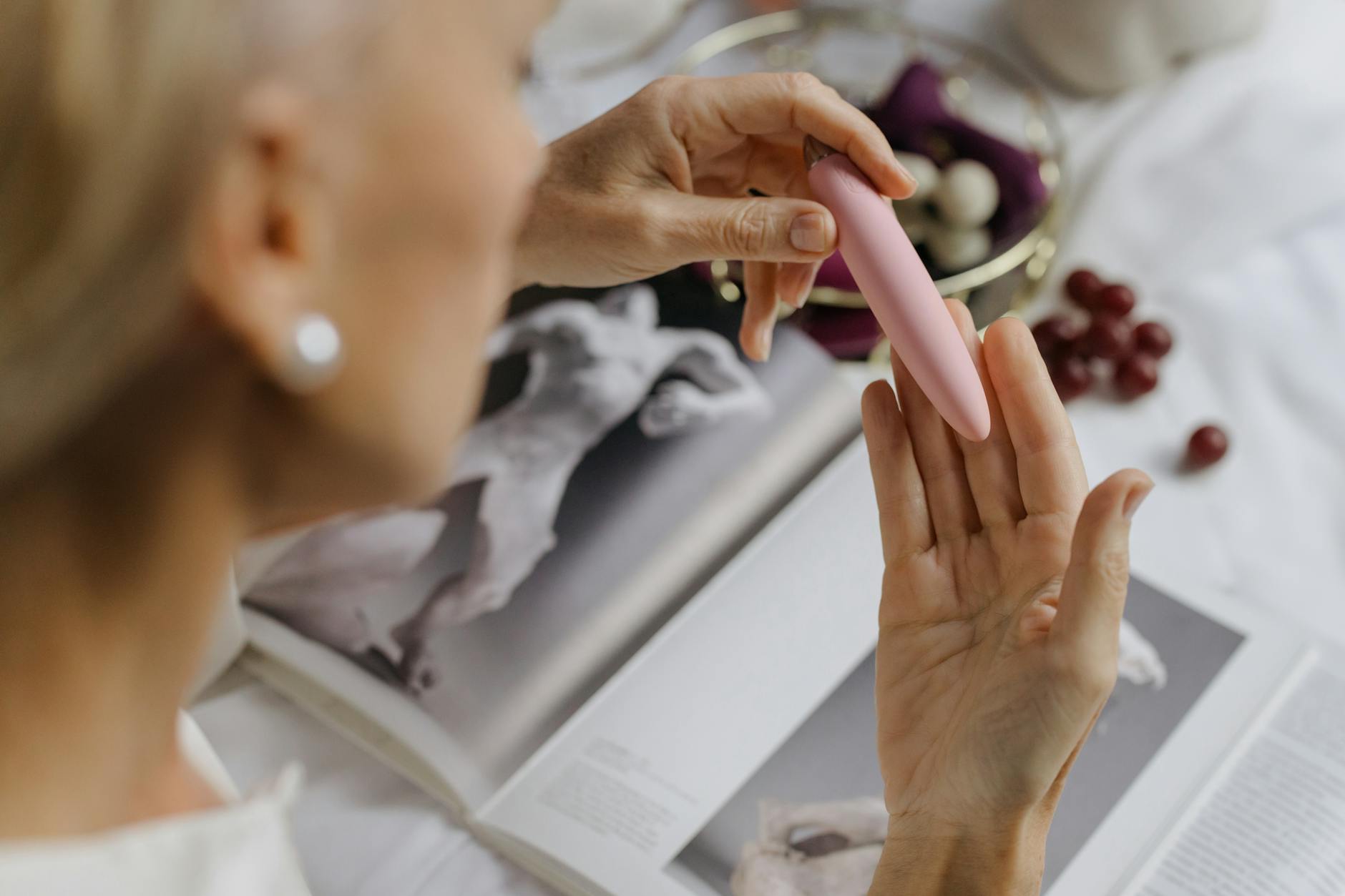
If you're someone with a vulva, responsive desire is common, especially after years together. You don't feel desire until something pleasurable is already happening. A lemon clitoral vibrator like the Lem works here because it creates sensation without needing you to feel desire first. You use it solo, reconnect with what pleasure feels like in your own body, and then you're actually available for desire with your partner when they're close.
This isn't about replacing your partner with a toy. It's about getting your nervous system back online so that when your partner touches you, you're actually capable of feeling it. Decades of predictability can numb you. Sometimes you need to reactivate the hardware before the connection comes back.
What rebuilding actually requires
Here's the part nobody wants to hear. Rebuilding desire after years of fade requires vulnerability. It means being willing to be rejected. It means your partner might not want to rebuild it with you, and you have to be willing to know that. It means admitting you were checked out, or they were, or you both were, and that checking back in is a choice.
It also requires time. Not years necessarily, but weeks and months. Not the fantasy timeline where one good date fixes everything. Real rebuilding is gradual.
The couples who make this work are the ones who treat it like they're dating again. Not in a desperate way. In a way that says "this person still matters enough to try for." That intention is the actual aphrodisiac. Not candlelight. Not new positions. The knowledge that someone chose to show up again.
When to get help
If you've tried reintroducing touch, creating novelty, and talking honestly, and you still feel nothing, it might not be about attraction. It might be resentment. Unprocessed hurt. One person checking out because the other already left emotionally. That's where a couples therapist comes in. Desire doesn't grow in contempt. Sometimes you need a third party to help you get back to a place where desire is even possible.
You deserve to feel attracted to your partner. They deserve to feel desired by you. That doesn't always mean staying. But it always means being honest about whether you want to rebuild it, and whether you're willing to do the unglamorous work of remembering how.