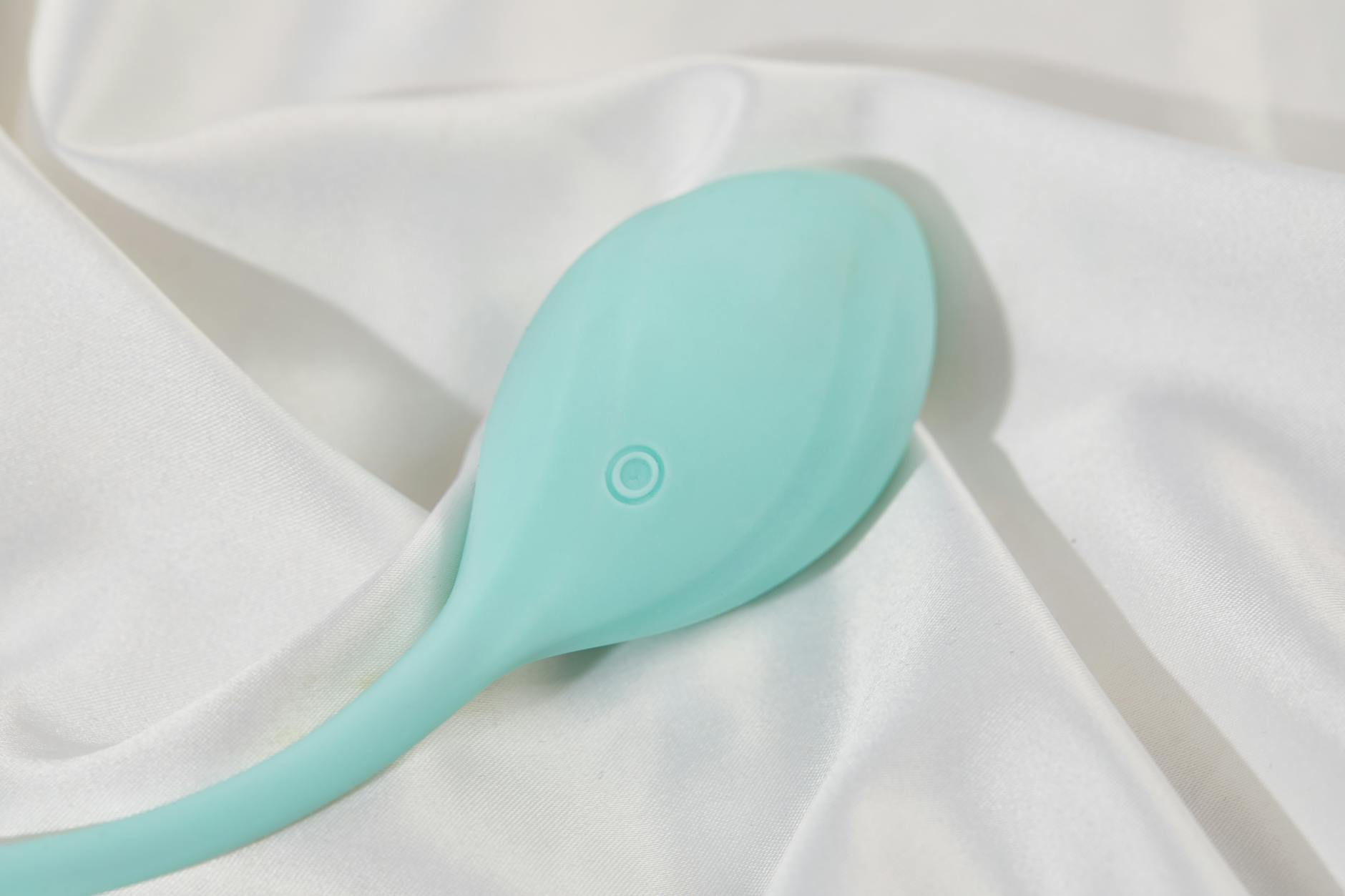
The reason traditional vibrators don't work for everyone
Let's start with the obvious thing nobody talks about: a standard vibrator and a lemon vibrator are not the same category of tool, even though they're both marketed as clitoral vibrators. One buzzes back and forth at high frequency. One uses suction and air-pulse technology. They stimulate the same nerve cluster in completely different ways, and your body might prefer one over the other.
If you've tried a traditional vibrator and found it too intense, uncomfortable, or like it never quite hits the right spot, that's not a problem with you. It's probably a mismatch between the technology and how your nervous system responds to stimulation.
How traditional vibrators work (and why they can overstimulate)
A standard vibrator creates pleasure through rapid oscillation. The motor vibrates side to side or up and down at speeds ranging from 3,000 to 10,000 cycles per minute, depending on the model. The sensation is localized and intense. It's direct mechanical stimulation of the external clitoris.
For many people, that's perfect. For others, it's too much too fast. Here's why:
The clitoris has around 8,000 nerve endings packed into a tiny area. When you apply high-frequency direct vibration to that concentrated network, especially if your tissues are sensitive, inflamed, or if you're dealing with nerve sensitivity from medications like antidepressants, the sensation can feel sharp instead of pleasurable. You might notice numbness building up, or the feeling gets overwhelming rather than building toward climax.
Traditional vibrators also rely on sustained pressure in one spot. If you're someone who needs broader, gentler stimulation to build arousal, a vibrator can feel like pressing the wrong button over and over.
How lemon clitoral vibrators work (and why sensitive bodies often prefer them)
Lemon vibrators use air-pulse or suction technology instead. Rather than vibrating, they create a seal around the clitoris and pulse air gently in and out. It's less like a massage and more like a rhythm. The sensation is broader and less intense in any single spot.
Here's the mechanical difference that matters: suction-based lemon adult toys stimulate not just the external clitoral glans, but also the internal clitoral network. Your clitoris is larger than it looks. The visible part is just the tip. The rest extends internally, with branches and erectile tissue. A vibrator can't reach that deeper tissue. A lemon sucker can.
Because the stimulation is distributed across a wider area rather than concentrated in one spot, most people find it feels less aggressive. You get building pleasure instead of sudden intensity. The rhythm is gentler and more sustainable, which means you can stay with the sensation longer without numbness or discomfort setting in.
The sensitivity difference: what the research shows
Studies on air-pulse devices versus traditional vibrators consistently show that people report higher satisfaction and fewer complaints about overstimulation with suction-based tools. One major reason is that air-pulse technology can be genuinely gentle at lower settings. You have actual room to build.
With a traditional vibrator, even the lowest setting is still a buzz. With a lemon vibrator, pattern 1 might feel like a soft pulse. That difference means you can warm up at a pace that matches your arousal, rather than starting at a baseline intensity that's already too much.
Another factor: traditional vibrators create sustained mechanical pressure. Over time, especially if you use them regularly, that can desensitize the nerve endings. Lemon vibrators pulse in patterns with pauses between. Your nerves actually recover during those pauses, which keeps sensation sharp and responsive.
Who finds lemon vibrators easier to use
If you fall into any of these categories, a lemon clitoral vibrator might actually work better for you than a conventional vibrator:
Antidepressant users. Medications like SSRIs can dull sensation and make arousal harder. Because lemon vibrators provide broader stimulation, they often trigger response even when direct vibration doesn't register.
People with thin tissue or dryness. Direct vibration can feel uncomfortable or create micro-abrasions on sensitive tissue. Suction is gentler and doesn't require the same level of friction.
Anyone recovering from pelvic trauma or pelvic floor tension. A vibrator's direct intensity can trigger protective tension in the pelvic floor. Gentler air-pulse sensation often allows those muscles to actually relax, which opens the door to climax.
People who've been told they have nerve pain or neuropathy. High-frequency vibration can aggravate nerve pain. Gentler, slower pulsing often feels soothing rather than painful.
Folks with low libido or desire. If arousal comes slowly, you need a tool that lets you dial in the exact intensity you need as you warm up. A lemon vibrator gives you that control. Traditional vibrators often start too strong.
The adjustment period is real (and it's worth it)
Here's the honest part: if you're used to traditional vibrators, a lemon clitoral vibrator will feel different at first. Not worse, just different. You might be tempted to crank it to the highest setting right away because you're expecting that buzz intensity. Don't.
Start at pattern 1 or 2. Give yourself 5 to 10 minutes to feel the pulse. Notice how the sensation builds. The first time you use it, you might not climax, and that's completely normal. Your body is learning a new rhythm.
By the third or fourth session, most people find they prefer it. The orgasms often feel deeper, longer, and more satisfying than what they got from a traditional vibrator. That's because you're engaging both the external and internal clitoral structure, plus you're not running into the desensitization wall that fast, direct vibration creates.
Combining both technologies
You don't have to pick a side. Some people use a lemon vibrator for solo sessions because it's more sustainable and feels less overwhelming. Then they use a traditional vibrator with a partner for quickie situations because it gets faster results.
The key is knowing how each one works so you can make a choice based on what you actually need, not what the marketing tells you to want. A lemon clitoral vibrator isn't "better" than a traditional vibrator in some absolute sense. It's better for sensitivity, overstimulation, nerve issues, and sustained pleasure. A traditional vibrator is better for speed and localized intensity.
If you've struggled with clitoral vibrators before, the issue might not be that you "can't come" or that your body is broken. It might just be that you haven't found the right tool. Many people who've given up on vibrators after trying traditional models discover that a lemon sucker actually works really well for their nervous system.
Why sensation matters more than you think
Pleasure isn't just physical. It's neurological. Your brain has to feel safe, and your nerves have to fire in the right pattern for orgasm to happen. If a tool feels wrong, your body won't cooperate no matter how expensive it is or how good the reviews are. That's not failure. That's your nervous system doing its job.
Lemon vibrators often feel safer to bodies that are sensitive, recovering, or new to toys. That safety matters. When your nervous system trusts the sensation, everything else becomes possible.
Frequently asked questions
### Can I use a lemon vibrator if I've never used a vibrator before?
Yes, and honestly, many people find lemon vibrators easier to start with than traditional ones. Because the base sensation is gentler, there's less learning curve. Start at the lowest pattern, use a water-based lubricant, and give yourself permission to go slow. You don't need to build up to a climax on your first try. Just get familiar with how it feels.
### Will a lemon vibrator desensitize me the way a regular vibrator does?
Not in the same way. Traditional vibrators create desensitization through sustained high-frequency stimulation. Lemon vibrators pulse, which gives your nerves recovery time between stimulation cycles. That said, no vibrator is designed for every-single-day use. Most people get better results and better longevity if they take breaks. Two to four times a week is ideal.
### How is a lemon clitoral vibrator different from a traditional vibrator in terms of maintenance?
Both need to be cleaned with warm water and mild soap after use. Lemon vibrators have a sealed suction cup, so you want to make sure water doesn't get trapped inside. Let it air dry completely before storing. They're not harder to maintain, just slightly different. Check the care guide that comes with your specific model.
### What if a lemon vibrator feels uncomfortable or too intense?
Try a lower pattern first. If even pattern 1 feels overwhelming, you might need more lubrication. Water-based lube reduces friction and can make the sensation feel smoother. You can also try breaking sessions into shorter bursts. Use it for 2 to 3 minutes, take a break, come back to it. Sometimes arousal needs time to build before suction feels good.
### Can I use a lemon vibrator with a partner?
Completely. Some people like partners to control it, others prefer to do it themselves while their partner is present or involved in other ways. It depends on your dynamic. If your partner has never seen a lemon vibrator before, showing them how it works before using it together helps. Knowledge reduces anxiety.
### Should I use lube with a lemon vibrator?
Yes. Water-based lubricant makes the seal work better and reduces any uncomfortable friction. It also makes the sensation feel smoother and more integrated with your body rather than mechanical. Don't skip this step, especially if you're new to the device or if you have any dryness.
The bottom line
Traditional vibrators and lemon clitoral vibrators are different tools for different bodies and different moments. Neither is objectively better. But if you've struggled with overstimulation, numbness, or just never finding the right intensity with a conventional vibrator, a lemon vibrator might be the shift your body needs. The technology is gentler, the sensation is broader, and for sensitive nervous systems, that often means deeper, longer-lasting pleasure.
The only way to know is to try. If you're ready to explore, remember that getting to know a new tool takes a few sessions. Be patient with yourself. Your pleasure is worth the learning curve. If you have questions about finding the right device for your body, we're always here to help at Hello Nancy.